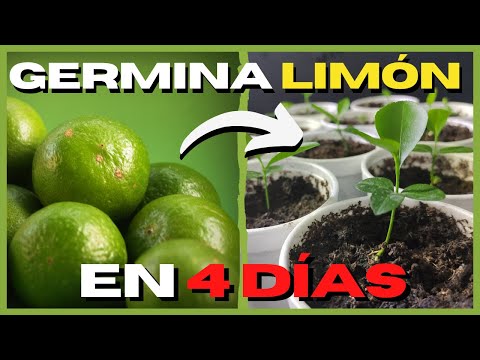
Como GERMINAR semillas de LIMÓN RAPIDO 🍋 PASO A PASO
How to Germinate Lemon Seeds Easily
Introduction to Seed Germination
- The video introduces a method for germinating lemon seeds quickly and easily, promising insights into polyembryony later in the discussion.
Selecting and Extracting Seeds
- Use the ripest lemons available to ensure well-developed seeds that will germinate without issues.
- Demonstrates a technique for extracting seeds from half a lemon using a knife, emphasizing careful handling to avoid damaging them.
Drying and Preparing Seeds
- After extraction, place seeds on a paper plate to dry in direct sunlight for two days; this helps prepare them for germination.
- Remove the shell covering the seeds as it induces physical dormancy, which delays germination. This step is crucial for faster seed sprouting.
Initiating Germination Process
- Place peeled seeds on a damp napkin inside a Ziploc bag; moisture should be controlled to prevent drainage.
- Encourages viewers to subscribe for more gardening tips while noting that no seeds have yet germinated after two days but changes in color and smell indicate progress.
Monitoring Seed Progress
- A change of napkin is recommended due to unpleasant smells indicating potential fungal growth; maintaining cleanliness is essential.
- No special placement is needed for the bag during germination; good results can be achieved even in regular room conditions.
Observing Germination Stages
- By day four, some seeds begin to sprout, prompting another napkin change to prevent mold growth.
- Notable observation of polyembryony where one seed produces multiple plants, akin to human twins.
Transplanting Seedlings
- On day eight, roots grow significantly with cotyledons opening; it's time for transplanting into pots.
- Transplantation involves using disposable cups filled with peat moss substrate; proper drainage holes are made at the bottom.
Care During Transplantation
Lemon Tree Care and Germination Tips
Germination and Initial Growth
- Start by germinating lemon seeds in small pots to manage their care effectively. Transplant them into larger pots once they reach a height of 15-20 cm.
- For optimal growth, transplant the seedlings outdoors when they are at least 50 cm tall to protect against wind and animals.
Environmental Needs
- Lemon trees require abundant water but must be planted in well-drained soil to prevent root rot.
- They thrive in mild climates with minimal frost risk, ideally between temperatures of 20°C to 30°C.
Fertilization Techniques
- Utilize nutrient solutions recycled from hydroponic systems for fertilization; alternatively, compost or worm castings can be used as accessible options.
Patience in Cultivation
- Lemon trees may take up to two years before bearing fruit, so patience is essential during the growth process.
Additional Resources
- A video on creating a chromatic trap for whiteflies is recommended as a simple pest control method.
Engagement Encouragement