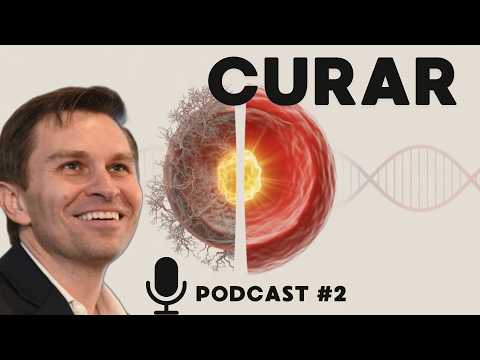
CIENTÍFICO EN LONGEVIDAD: CURAR EL ENVEJECIMIENTO Y "VIVIR 220 AÑOS" - DAVID SINCLAIR
Understanding Aging as a Disease
Introduction to Longevity and Aging
- The podcast opens with a provocative question about enjoying a longer, healthier life, suggesting that aging can be treated as a disease.
- The host introduces Dr. David Sinclair, a Harvard scientist leading research in anti-aging and longevity.
Conventional Medicine vs. New Paradigms
- Traditional medicine focuses on treating specific diseases rather than addressing the underlying processes of aging.
- Dr. Sinclair's work aligns with other researchers like Carlos López Otín, who also views aging as an illness that can be controlled or even cured.
Key Concepts in Aging Research
- The new scientific paradigm treats aging as a disease, allowing for potential control and treatment strategies.
- Sinclair emphasizes the importance of activating our body's "youth switches" to combat aging effectively.
The Science Behind Aging
Aging Not Inevitable
- Sinclair challenges the notion that aging is an unavoidable part of life; he argues it can be understood scientifically as a disease.
- He posits that understanding and manipulating the aging process could extend human lifespan significantly—potentially up to 220 years.
Understanding the Epigenome
- A crucial concept introduced is the epigenome, which regulates gene expression beyond our DNA sequence.
- Sinclair likens the epigenome to a pianist controlling which genes are expressed at any given time.
Mechanisms of Aging
Disruption of Gene Regulation
- Aging occurs when the epigenome becomes disordered, leading to improper gene activation and silencing.
- This disorder is compared to a pianist losing their ability to play correctly due to dementia.
Damage Accumulation Over Time
- Daily damage to chromosomes results in billions of DNA breaks; repairing this damage can further disrupt the epigenome.
Preventative Measures Against Aging
Lifestyle Choices Impacting Longevity
- Sinclair highlights lifestyle choices such as avoiding smoking, excessive alcohol consumption, and processed foods as critical for longevity.
Sun Exposure Management
- He discusses balancing sun exposure for vitamin D while protecting skin health through hats or natural sunscreens.
The Concept of Hormesis
Strengthening Through Stress Adaptation
The Impact of Controlled Stress on Longevity
The Dangers of Comfort
- Excessive comfort can lead to negative effects, weakening the immune system and accelerating aging.
- Modern conveniences, such as constant food availability and lack of exercise, contribute to a decline in health.
- Sinclair emphasizes the importance of controlled discomfort to challenge the body regularly.
Benefits of Cold and Heat Therapy
- Engaging in cold exposure (e.g., cold showers, ice baths) and heat therapy (e.g., saunas) activates longevity genes.
- Cold therapy reduces pain and inflammation by lowering pro-inflammatory cytokines and aids recovery through sympathetic nervous system activation.
- Heat therapy increases heat shock protein production, which helps repair damaged proteins and prevents accumulation linked to aging.
Intermittent Fasting for Cellular Health
- Intermittent fasting significantly impacts health by activating anti-aging processes like autophagy—where cells recycle dysfunctional components.
- Sinclair practices extended fasting periods, suggesting a 24-hour fast once a month to enhance cellular cleaning mechanisms.
High-Intensity Exercise as a Longevity Strategy
- Short bursts of intense exercise improve immune function and combat aging by subjecting the body to controlled physical stress.
- Intense workouts can induce temporary hypoxia, triggering survival mechanisms that promote longevity-related structures like sirtuins.
The Role of NAD in Aging
- NAD (Nicotinamide Adenine Dinucleotide), crucial for numerous biochemical reactions, declines with age affecting immunity and inflammation control.
Nutrition for Longevity
The Role of NAD Precursors
- Sinclair and his team are investigating whether NAD precursors can enhance resilience in older adults against infections. Current clinical trials are underway to test these molecules.
Dietary Recommendations for Longevity
1. Eliminate Sugar
- Sinclair emphasizes the importance of reducing sugar intake, particularly from ultra-processed foods and snacks, which are prevalent in modern diets. He advocates for moderation or complete avoidance of sugar consumption.
2. Choosing Fruits Wisely
- While fruits are generally healthy, Sinclair recommends those high in polyphenols and low in sugar, such as berries (blueberries and blackberries) and certain melons. Whole fruits should be prioritized over juices to avoid concentrated sugars that spike glucose levels.
3. Plant-Based Diet Focus
- A plant-centric diet is encouraged by Sinclair, noting that cultures with longevity often consume more plants than meat. He personally favors vegetables while considering meat an occasional part of his diet, despite some marketing myths surrounding blue zones' dietary habits.
4. Healthy Fats and Polyphenols
- Healthy fats like monounsaturated fats found in olive oil and avocados play a crucial role in longevity by activating protective enzymes similar to resveratrol. Omega-3 fatty acids from wild fish are also highlighted for their health benefits; however, caution is advised regarding fish sources due to potential contaminants.
5. Nutritional Density Over Quantity
- Sinclair stresses the importance of consuming nutrient-dense foods that have experienced some environmental stress during growth, as they contain beneficial phytochemicals that activate longevity pathways within our cells (e.g., resveratrol from stressed grapes). Prioritizing colorful local vegetables is recommended over bland options like pale lettuce.
Mindful Eating Practices
- The Japanese proverb about eating until one is 80% full reflects a mindful approach to eating that contrasts sharply with modern overeating tendencies due to food abundance; this practice can contribute significantly to longevity by preventing excessive caloric intake.
Aging as a Disease: A Paradigm Shift
Understanding Longevity and Aging
The Role of Sirtuins in Aging
- Sinclair argues that diseases like cancer, Alzheimer's, and heart disease stem from the underlying process of aging.
- He identifies seven sirtuins (Sirt 1 to Sirt 7) as longevity genes that help the body defend against adversity.
- These genes can be activated through daily choices such as diet, exercise, fasting, and temperature exposure.
Reversing Biological Age
- Sinclair suggests that while we cannot avoid death, we can significantly reverse biological aging.
- His lab has successfully aged and then rejuvenated stem cells and small brains in culture dishes.
- Studies show that lifestyle choices account for 80% of health in old age; thus, early activation of longevity genes is crucial.
Lifestyle Choices Impacting Longevity
- Sinclair emphasizes that improving lifestyle at any age is beneficial; starting earlier yields better results.
- He notes that science may soon allow artificial adjustments to longevity genes but stresses natural methods are currently effective.
Five Key Recommendations for Longevity
Avoid Smoking
- Sinclair insists on not smoking anything due to its DNA-damaging effects which accelerate aging.
Eating Habits
- He advocates for eating less frequently; three meals a day plus snacks are deemed excessive as metabolism slows with age.
Exercise Intensity
Understanding Longevity and Health Choices
The Importance of Food Choices
- Emphasizes the need for comfort in life, but warns that this can lead to poor food choices and a lack of effort, ultimately harming longevity.
- Advocates for a diet rich in monounsaturated fats (e.g., olive oil, avocados) which are crucial for activating certain genes related to health.
- Highlights the significance of polyphenols found in colorful vegetables, which enhance health when plants face stress.
Sleep and Community Impact on Longevity
- Stresses the necessity of quality sleep and hygiene practices to improve sleep patterns; mentions potential future discussions on supplements.
- Discusses the role of positive relationships and community support as fundamental pillars for longevity, rooted in our ancestral biology.
- Notes that social connections can lower stress levels and inflammation markers, enhancing overall well-being.
Personal Motivations Behind Researching Aging
- Shares David Sinclair's personal motivation stemming from childhood experiences with mortality, particularly witnessing his mother's battle with cancer.
- Reflects on how early exposure to death shaped Sinclair’s belief that prevention is more effective than treatment for diseases like cancer.
The Role of Technology in Human Life
- Explores the dual nature of technology—how it can either enhance or detract from human life depending on its use.
The Interconnection of Technology, Health, and Longevity
The Role of Technology in Humanity
- Discussion on how technology may enhance or detract from our humanity, raising concerns about the potential for computers to develop their own consciousness.
Gut Health and Its Impact on Overall Well-being
- Insights into how oral health issues like periodontitis can trigger conditions such as dementia, emphasizing the interconnectedness of bodily systems.
Aging: A Challenge We Can Overcome
- David Sinclair's perspective that aging and related diseases are not inevitable but challenges we can prevent and overcome through lifestyle choices.
Lifestyle Choices as Genetic Switches
- Everyday actions—diet, exercise intensity, sleep quality—serve as powerful genetic signals that activate survival and repair modes within our cells.
A New Era in Health Management
- The emerging understanding that aging is a treatable condition suggests a future where longevity is achievable through informed decisions today.
Empowering Personal Action for Longevity
- Emphasis on personal responsibility in health management; 80% of health outcomes in old age depend on today's choices. Encouragement to take action based on insights shared.
Creating a Better Future Together
- Call to action for listeners to apply learned principles in their lives and share knowledge with others to foster collective improvement in health and longevity.