Entorno general y especifico de una empresa | Economía de la empresa 2 Bachillerato 24#
Understanding the Business Environment
Overview of Company Environments
- The chapter focuses on the external environment in which companies operate, emphasizing that every company exists within a system influenced by various factors.
- Two types of environments are identified: the general environment and the specific environment, each affecting companies differently.
General Environment Factors
- The general environment consists of global factors impacting all companies within a society or geographical area, such as economic conditions and legal frameworks.
- Key groups of factors include:
- Economic Factors: Indicators like CPI, unemployment rate, GDP, and interest rates that shape business expectations.
- Sociocultural Factors: Societal values and consumer habits influencing product development (e.g., demand for healthy products).
Political-Legal and Technological Influences
- Political-Legal Factors: Government policies and laws that create the regulatory framework for businesses (e.g., fiscal policy).
- Technological Factors: Advances in technology that affect production processes and product offerings; companies must adapt to avoid obsolescence.
Specific Environment Dynamics
- The specific environment includes factors directly affecting a particular company or sector, necessitating quick adaptation to changes.
Key Components of Specific Environment
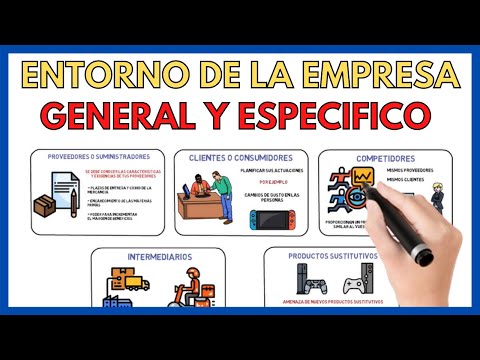
- Suppliers: Entities providing raw materials; understanding their characteristics is crucial for operational success.
- Clients/Consumers: Companies must be aware of consumer demand and preferences to remain competitive.
Competitive Landscape
- Competitors: Other firms offering similar products/services; changes in competitor strategies can impact market dynamics significantly.
- Intermediaries: Wholesalers, retailers, and distributors play a vital role in ensuring products reach consumers effectively.
Threat from Substitutes
- The emergence of substitute products poses significant threats to existing companies; they must respond swiftly to maintain competitiveness.
Conclusion & Interactive Exercise
Convierte cualquier video en un resumen como este
Videos de YouTube, reuniones, clases. Con transcripción, búsqueda y chat.