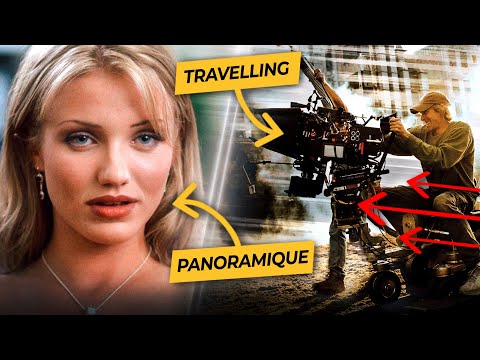
Les différents Mouvements de Caméra - Travelling vs Zoom
Understanding the Importance of Movement in Filmmaking
In this section, the importance of movement in filmmaking is discussed, particularly how it contributes to storytelling and the actor's performance.
The Three Points of a Shot
- A shot is described by three points: its value, angle, and movement.
- Movement in a shot serves not only to follow a character or present a location but also to enhance narrative and the actor's intention.
Example from "The Assassination of Jesse James"
- In the opening scene of "The Assassination of Jesse James," movement alone conveys the film's stakes and sets up the story without revealing character identities or actions.
The Significance of Camera Movement
- Camera movement directs the viewer's attention and aids comprehension.
- When planning shots, consider where you want to direct the viewer's attention rather than focusing solely on camera movements.
Different Types of Camera Movements
This section explores various types of camera movements used in filmmaking.
Adapting Filmmaking to Narrative
- Filmmaking should adapt to serve the narrative rather than using movements for stylistic purposes alone.
Panoramic Movements
- Panoramic movements include panning (horizontal movement) and tilting (vertical inclination).
- Panning can be used to present wide settings or follow characters/objects.
- It allows viewers to observe each element within a frame.
Travelling Movements
- Travelling movements involve physically moving the camera with equipment like dollies, steadicams, cranes, or drones.
Forward Travelling
- Forward travelling shots can emphasize emotions, thoughts, or realizations experienced by characters.
Backward Travelling
- Backward travelling shots create emotional distance and intensify dramatic action.
- They can also reveal a wider view of the surroundings.
Circular Travelling
- Circular travelling shots add dynamism to a scene, showcasing activity or creating a sense of unease or madness.
- The speed at which the background moves depends on the shot's tightness.
Tips for Camera Movements
This section provides some practical tips for incorporating camera movements effectively in filmmaking.
Avoid Empty Spaces in Panning Shots
- When panning, avoid having long periods without any visual information between elements within the frame.
- Always ensure there is something visually engaging for the viewer.
Purposeful Use of Camera Movements
- Camera movements should serve a purpose and enhance storytelling, directing attention or emphasizing specific elements.
Different Tools for Travelling Shots
- Various equipment options like dollies, steadicams, cranes, or drones can be used for travelling shots based on desired movement and effect.
The Role of Camera Movements in Storytelling
This section discusses how camera movements contribute to storytelling and evoke specific emotions in viewers.
Forward Travelling Shots
- Forward travelling shots can convey emotions, thoughts, or realizations experienced by characters.
Attention Grabbing with Camera Movements
- Camera movements can draw attention to specific elements within a scene, encouraging viewers to observe more closely.
Revealing Space with Forward Travelling Shots
- Forward travelling shots often accompany exposition scenes to introduce locations and provide context about characters' situations.
Emotional Distance with Backward Travelling Shots
- Backward travelling shots create emotional distance between viewers and characters, intensifying dramatic action.
Wider Perspective with Backward Travelling Shots
- Backward travelling shots can reveal more of the surroundings, expanding the frame and showing what surrounds the character.
Circular Travelling Shots
This section explores the use of circular travelling shots in filmmaking.
Dynamic Scenes with Circular Travelling
- Circular travelling shots add dynamism to a scene, showcasing activity or creating a sense of unease or madness.
Speed Variation in Circular Travelling Shots
- The speed at which the background moves depends on the tightness of the shot.
Michael Bay's Signature Style
- Filmmaker Michael Bay often incorporates circular travelling shots, particularly in low-angle shots or intense action sequences.
Timestamps are approximate and may vary slightly depending on the video version.
New Section
This section discusses the use of vertical and lateral camera movements in filmmaking to reveal locations, actions, and characters.
Vertical Camera Movement
- Vertical camera movement, known as a vertical tracking shot or crane shot, is often used at the beginning of a sequence to gradually reveal the location and action.
Lateral Camera Movement
- Lateral camera movement, known as a lateral tracking shot or side-to-side movement, follows a character or a vehicle. It usually matches the speed of the subject to allow the viewer to adopt the same rhythm.
Left-to-Right and Right-to-Left Movements
- A left-to-right lateral movement is often used to suggest positive character development or narrative progression. This is influenced by Western reading habits from left to right. On the other hand, a right-to-left lateral movement can convey regression or something going against the character's evolution.
Optical Zoom
- The zoom is achieved through an adjustable focal length lens called an optical zoom. It allows for transitioning between wide shots and close-ups with ease.
- A slow zoom, known as a dramatic zoom, is often used in horror films for suspenseful effect. Conversely, a quick zoom is referred to as a crash zoom and can create an intense impact on a character or object. Tarantino frequently employs this technique in his films.
- Zooming in suddenly can emphasize a character or object in a sudden and sometimes comical way. Conversely, zooming out reveals objects or characters in general.
Difference Between Zoom and Tracking Shot
- It's important not to confuse zoom with tracking shots (travelling). While both involve camera movement, they have different intentions.
- A tracking shot allows the camera to move, turn, and advance like the viewer's eyes. It changes perspective.
- In contrast, a zoom keeps the viewer in the same position but draws attention to a detail within the frame. The perspective remains unchanged.
Combined Movement: Dolly Zoom
- The dolly zoom, also known as a compensating tracking shot or Vertigo effect, combines both camera movement and zooming techniques.
- This effect was first used by Hitchcock in his film "Vertigo" (1958). It involves moving the camera forward while simultaneously zooming out or moving the camera backward while zooming in. This keeps the foreground at a constant size while changing the background's proximity. It often creates a sense of unease or emphasizes emotions such as anxiety, anger, or surprise in a character.
New Section
In this section, further resources are mentioned for those interested in learning more about camera stabilization, building DIY camera rigs with PVC pipes, choosing cameras and lenses, lighting scenes, editing techniques, color grading, framing composition, and filming dialogues.
Additional Resources
- For more detailed information on various topics related to filmmaking techniques:
- Check out chapter 8 of my book which covers topics such as stabilizing cameras and building DIY camera rigs with PVC pipes.
- The book also provides guidance on choosing cameras and lenses, lighting scenes effectively,
learning editing techniques and color grading,
framing composition,
and filming dialogues.
- Some chapters include links to corresponding video tutorials for immediate access without waiting for weekly YouTube releases.
- The link to purchase the book is provided in the video description.
New Section
In the next tutorial video, the focus will be on handheld camera techniques to create a sense of tension or film fight scenes without stunt performers.
Handheld Camera Techniques
- Filming with a handheld camera can add a sense of nervousness or unease to a scene.
- It can also be used to capture intense action sequences without relying on professional stunt performers.