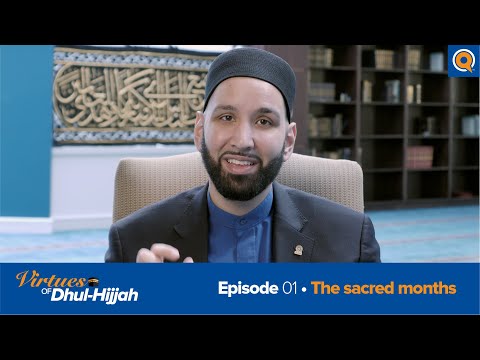
Episode 1: The Sacred Months | Virtues of Dhul Hijjah
Introduction to the Sacred Months
The speaker introduces the concept of the sacred months and emphasizes the importance of understanding and memorizing the Islamic calendar.
Understanding the Sacred Months
- The sacred months have different connotations than just Ramadan, which is considered the holiest month.
- Each month in the Islamic calendar has its own set of virtues, rules, and practices.
- The most beneficial month of fasting outside of Ramadan is Mu7arram, according to a saying of Prophet Muhammad (pbuh).
- The names of the sacred months often refer to historical events or practices related to warfare.
Significance of the Sacred Months
- There are four sacred months in which all forms of battle were prohibited even before Islam.
- Dhul-Qidah means "the month to sit" and signifies a period of non-engagement in warfare.
- Dhul-Hijjah is associated with Hajj pilgrimage and used to be a time for reiteration of Hajj rituals.
- Mu7arram means "forbidden" and marks the beginning of the year.
- Rajab is unique as it does not come in succession with other months. It means "to remove and refrain" from fighting.
Manipulation and Order
- Pre-Islamic Arabs would manipulate these months to suit their fighting needs, but Allah established specific rules for them.
- The order and arrangement of these months allow for a continuous spiritual journey throughout the Islamic year.
Spiritual Opportunities and Warnings
- Good deeds are more blessed during these sacred months, with multiplied rewards from Allah.
- Sins committed during these times are considered worse due to their sanctity.
Practical Considerations during Sacred Months
The speaker discusses practical considerations during sacred months, including increased acceptance of good deeds and the amplification of sins.
Amplified Rewards and Sins
- Allah multiplies the rewards of good deeds during sacred months.
- Acts of disobedience are considered worse during these times, as they hinder forgiveness.
Conclusion and Practical Application
The speaker concludes by emphasizing the importance of taking advantage of the spiritual opportunities presented during sacred months.
Maintaining Spiritual High
- The arrangement of sacred months allows for a continuous spiritual journey throughout the Islamic year.
- By capitalizing on the virtues and practices associated with each month, one can maintain a spiritual high.
- It is crucial to be mindful of good deeds and avoid acts of disobedience during these times.
Timestamps have been associated with bullet points as requested.
New Section
The importance of sacred days, months, and places in Islam.
Understanding the Sanctity of Sacred Days and Places
- Prophet Muhammad (pbuh) emphasized the sanctity of certain aspects in Islam.
- He highlighted that blood, property, and honor are sacred to one another on specific occasions.
- The sanctity is compared to the sacredness of the day, month, and place in Islam.
- The most sacred day is mentioned as well as the most sacred month (Dhul-Hijjah) and place (Al Masjid Al-Haram).
New Section
Memorizing the Islamic calendar and its significance.
Importance of Memorizing the Islamic Calendar
- It is important to memorize the Islamic calendar to be aware of significant dates and events.
- There is a nasheed available for memorizing the Islamic months.
- Knowing where we are in the Islamic calendar helps us engage in specified good deeds for each month.
- We should amplify our good deeds during these months and be cautious about committing sins.
- May Allah grant us benefit, mercy, forgiveness, and protection from sin throughout the year.
New Section
Seeking blessings and avoiding sins during specific months.
Seeking Blessings During Specific Months
- We should strive to achieve blessings, mercy, forgiveness, and abstain from sin during specific months.
- Allah's guidance can help us attain these benefits throughout these designated periods.
Timestamps have been associated with bullet points as requested.