7ºBÁSICO/HISTORIA - Proceso de adaptación y transformación entre el ser humano y el ambiente
Understanding Human Adaptation to Environment
The Relationship Between Humans and Geography
- The lifestyle of inhabitants in any region is closely tied to their geographical environment, affecting economic development.
- Regions with less human impact, like jungles and deserts, often have economically underdeveloped populations due to harsh natural conditions.
Civilization and Nature's Influence
- Civilized humans utilize intelligence through inventions and social organization to enhance productivity and adapt to their environments.
- Early humans relied on physical skills for survival, gathering resources from nature, as seen in the practices of the Kung people in the Kalahari Desert.
Evolution of Survival Methods
- As humanity evolved, cultures developed more efficient food production methods (agriculture, fishing, livestock), allowing for stable settlements.
- Industrialization has further transformed landscapes by altering ecosystems through deforestation and urban development.
Environmental Interaction and Consequences
- Despite advancements, humans cannot fully dominate their geographic environment; they can only adapt within its limits.
- Human activities aimed at comfort have led to environmental degradation, highlighting a complex relationship between transformation and conservation.
Historical Impact of Industrialization
- Key developments include agriculture leading to food surpluses and scientific advancements that improve survival rates.
- The 18th century marked significant industrial changes impacting global environments drastically.
Resource Exploitation Challenges
- The 19th century saw intensified resource exploitation with innovations like steam power leading to increased coal use and later oil dependency.
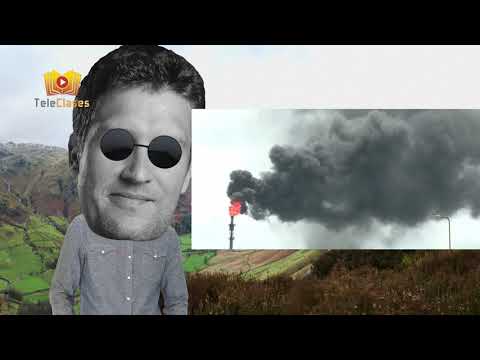
- This reliance on fossil fuels has caused severe ecological damage including air pollution and marine ecosystem destruction from oil spills.
Knowledge vs. Abuse of Nature
- Throughout history, humans have sought knowledge about nature for survival but often exploit it unsustainably.
- Modern water management systems illustrate how technology aids in resource utilization while also risking over-exploitation.
Ethical Considerations in Resource Management
- Humanity must recognize that it does not own nature; responsible management respecting natural realities is essential for future generations.
The Importance of Environmental Awareness
The Role of Sociology and Politics in Environmental Consciousness
- Increasing awareness among individuals about the necessity to preserve the natural environment is highlighted, emphasizing the growing importance of ecological movements.
- Ecological problems are framed as moral issues, suggesting that human well-being and survival depend on addressing these challenges effectively.
- A call for responsibility and respect towards classmates and the environment is made, underlining the collective duty to care for our surroundings.
Collective Responsibility Towards Nature
- Students are reminded that they are part of this world and have a role in its protection, reinforcing the idea of stewardship over nature.