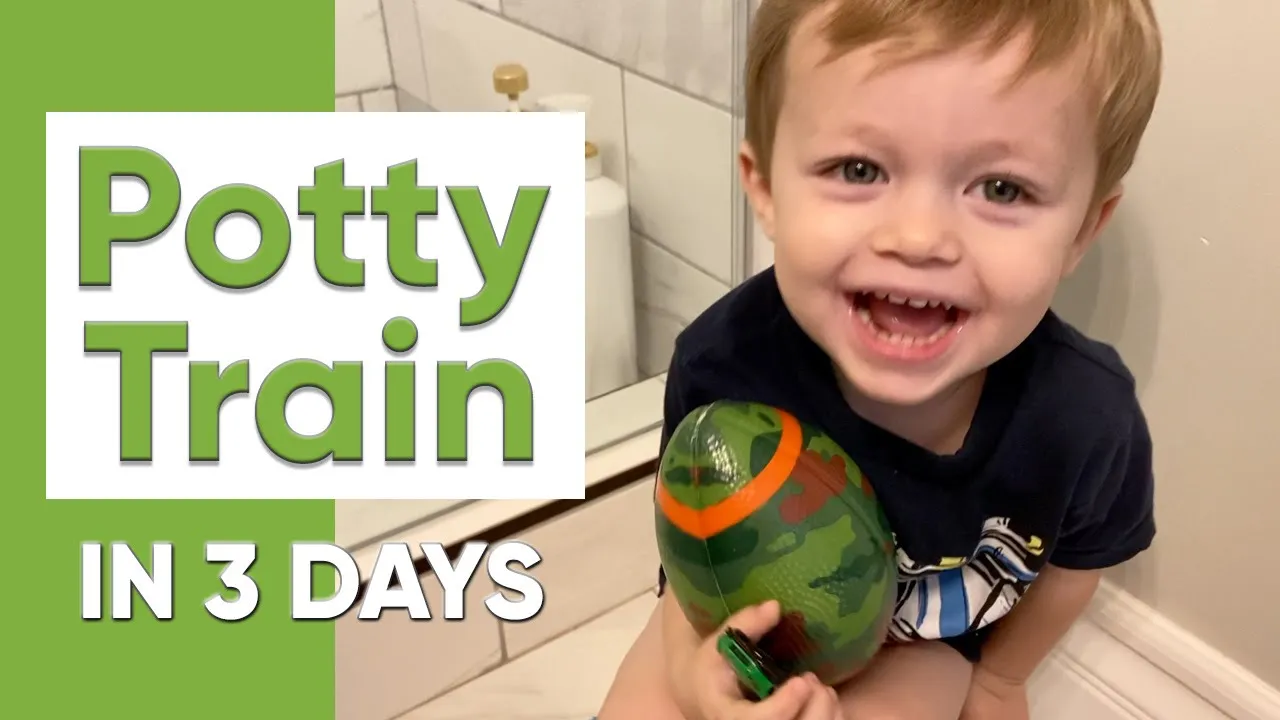
Three Day Potty Training Method
Potty Training in 3 Days
In this video, the speaker shares her method for potty training toddlers in just three days. She emphasizes the importance of preparation and having the necessary items on hand.
Preparation
- Before starting potty training, gather necessary items such as a potty chair, underwear, liquids, high fiber foods, snacks/treats/rewards, sticker chart, and a list of activities to do with your child.
- Use a simple potty seat that is easy to clean and place it in the bathroom to encourage your child to run there when they need to go.
- Collect about 20-30 pairs of simple underwear without padding or training pants.
- Have plenty of liquids on hand including water and fun drinks like juice boxes or Gatorade. Also have high fiber foods available such as cereal, oatmeal, apples, bananas and berries.
- Prepare snacks/treats/rewards for positive reinforcement when your child has success using the toilet. Use a sticker chart to track progress and offer bigger rewards after every five successes.
Three-Day Plan
- Spend all three days at home doing activities from a pre-made list while staying close to the bathroom.
- Encourage your child to drink lots of fluids throughout the day so they have more opportunities to use the toilet.
- Start by having your child sit on the potty every 15 minutes for about an hour. Then increase time between sitting gradually until you reach 45 minutes between sits.
- If accidents happen during these three days don't scold your child, just clean it up and encourage them to try again next time.
- By the end of the third day, your child should be fully potty trained.
Preparing for Potty Training
In this section, the speaker provides tips on how to prepare for potty training and what to do before starting.
Getting Ready for Potty Training
- Make arrangements for cooking, cleaning, and laundry.
- Enlist help from husband or grandparents.
- Read Laura Jensen's ebook a few times to be familiar with the method.
- Ensure your child can communicate with you in some way.
Preparing Your Child
- Introduce vocabulary such as wet and dry a couple of weeks before starting potty training.
- Prepare your child by introducing them to the vocabulary that will be used during toilet training.
Starting Potty Training
In this section, the speaker explains what happens on the first day of potty training and how to start.
First Day of Potty Training
- Get yourself ready for the day as normal.
- Dress your child in just a t-shirt without pants or shorts.
- Put on a brand new pair of big boy/girl underwear and use positive reinforcement language.
- Have your child throw away all their diapers in the trash can within 15 minutes of throwing away their last diaper.
Encouraging Dryness Checks
- Encourage your child to keep their underwear dry throughout the day by telling them that you will be checking in and giving pop quizzes of dryness checks.
Introduction to Potty Training
In this section, the speaker introduces the phrase "tell me when you need to go potty" as a key aspect of their potty training program. They also discuss the importance of offering liquids and making drinking fun for the child.
Key Points:
- The phrase "tell me when you need to go potty" gives the child control and allows them to communicate their needs.
- Offering a variety of liquids in fun cups or with straws can encourage the child to drink more throughout the day.
- Apple juice is a great option for encouraging liquid intake.
Focusing on Your Child
This section emphasizes that during potty training, it's important to focus on your child and learn their cues and signals for needing to use the bathroom.
Key Points:
- During potty training, it's important to be completely focused on your child and not leave their side.
- By watching your child closely, you can learn their cues and signs that they need to use the bathroom (e.g. stopping play, making a panic face, doing a little Potty Dance).
- It's crucial to catch your child in the act of going pee or poop every time they go.
Taking Your Child to the Bathroom
This section discusses how often children should be taken to the bathroom during potty training and how long they should sit on the toilet.
Key Points:
- Only take your child to the bathroom if they tell you they have to go or if you catch them in an accident.
- Don't let your child sit on the toilet for extended periods while trying to go.
- The goal is for your child to recognize their own body and tell you when they need to go.
Celebrating Success
This section emphasizes the importance of positive reinforcement during potty training and suggests using sticker charts and small prizes to celebrate successes.
Key Points:
- Positive reinforcement is key to making the potty training method work.
- Sticker charts can be a great way to track progress and give your child a sense of accomplishment.
- Small prizes, like Skittles or small toys, can be used to celebrate bigger accomplishments (e.g. pooping in the toilet).
Using Prizes for Accomplishments
This section discusses how the speaker used a prize bag filled with small toys as an additional incentive for their child during potty training.
Key Points:
- The speaker used a prize bag filled with small toys as an additional incentive for their child during potty training.
- The prize bag was used to celebrate bigger accomplishments, like filling out five cars on the child's potty train chart.
- Celebrating successes with prizes can help keep children motivated and engaged in the process.
Rewards and Positive Reinforcement
In this section, the speaker discusses how rewards should be used as motivation and not bribes. They also provide positive reinforcement ideas for parents to encourage their child's progress.
Using Rewards as Motivation
- Rewards should never be used as bribes.
- Positive reinforcement ideas include bragging to family members about the child's progress and showing off sticker charts.
- FaceTiming or calling grandparents to show off the child's progress can also be a form of positive reinforcement.
Encouraging Progress
- When accidents happen, explain that pee goes in the potty and offer praise when they use it correctly.
- The more opportunities a child has to use the bathroom, the better.
- Consistently using phrases like "tell me when you need to go potty" can help reinforce good habits.
Making Potty Training Fun
In this section, the speaker emphasizes the importance of making potty training fun for both parent and child. They share some activities they did with their own child during potty training.
Having Fun with Potty Training
- Making potty training fun is important for success.
- Activities like playing games or singing songs can make potty training enjoyable for both parent and child.
Consistency is Key
In this section, the speaker stresses the importance of consistency in potty training and offers tips for maintaining it.
Maintaining Consistency
- Repeat everything done on day one for days two and three.
- Remain positive and encouraging throughout the process.
- For more information on handling specific scenarios, refer to Laura Jensen's book.
The Three-Day Potty Training Method
In this section, the speaker introduces the three-day potty training method and explains why it is a great way to potty train your child.
Principles of Love
- The three-day potty training method is founded on principles of love.
- You will get to spend every minute of the next three days at your child's side playing with them, teaching each other, and learning how to understand each other.
- You will celebrate every success your child has and demonstrate more patience than you ever thought you'd possessed.
- You'll come to love your child even more as you realize they're not that baby in diapers anymore but that big boy or girl who knows how to use the potty.
Conclusion
- The speaker wishes all viewers success with their own potty training adventures.