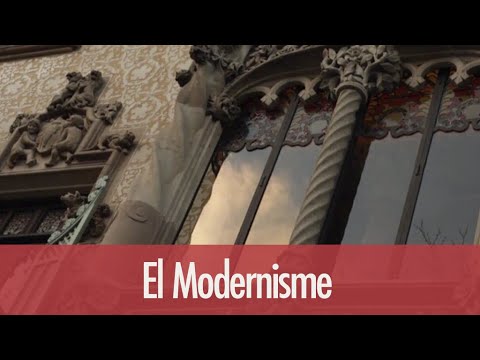
Cròniques de Barcelona - El Modernisme, bellesa amb llums i ombres
Modernisme: A Cultural Revolution in Barcelona
Introduction to Modernisme
- The modernisme movement in Barcelona was characterized by extraordinary creativity under specific historical conditions, driven by technique, boldness, and a desire for modernity.
- It represents an exuberant expression of art and culture that aimed to transform the city into a beautiful and open space blending tradition with modernity.
Social and Artistic Context
- Modernisme was a social, technical, and artistic revolution that began around 1888 in Barcelona. It sought to create a harmonious blend of architectural elements with technical advancements.
- The bourgeoisie played a crucial role in fostering this cultural moment, seeking strategies to elevate the city's status while critiquing previous movements that focused too narrowly on local traditions.
Historical Background
- The movement emerged at the end of the 19th century and early 20th century, known by various names across Europe. Artists like Toulouse-Lautrec depicted different aspects of society through their work.
- By the late 19th century, Barcelona's population exceeded half a million. Urban development projects like Eixample were essential for addressing overcrowding while promoting outdoor life and sports.
Economic Factors
- The textile industry and commerce contributed to economic prosperity but also led to poor working conditions in factories on the city's periphery.
- This duality created contrasts within society as Barcelona evolved into a major metropolis serving industrial needs while grappling with social issues.
Artistic Expression
- Modernisme artists sought to express optimism through innovative forms that diverged from traditional aesthetics. They embraced new experiences related to pleasure-seeking lifestyles.
- Themes of authenticity and nature were central; artists connected sensuality with natural elements rather than depicting conventional subjects.
Techniques and Innovations
- Artists employed ultra-modern techniques combining craftsmanship with design innovations such as electric lighting in furniture pieces.
- Ramón Casas emerged as a pivotal figure in modernisme; his works symbolized the arrival of modernity through depictions of bicycles and automobiles.
Legacy of Modernisme
- The movement left behind significant cultural artifacts including sculptures intended for cemeteries which often contrasted sensual themes with religious undertones.
Modernisme: A Cultural Revolution in Barcelona
The Essence of Modernisme
- The concept of modernisme is linked to beauty and a somewhat narcissistic worldview, reminiscent of Narcissus who perished admiring his own reflection.
- Sculptures from this period often carry evocative names like "alma blanca" or "el perdón," expressing profound ideas through feminine forms.
- Modernisme represented a social revolution in Barcelona, intertwining technical and artistic advancements.
Architectural Transformation
- The transformation of Passeig de Gràcia marked a significant change for the city and its inhabitants, leading to the construction of modernist buildings.
- Architecture during this era aimed to reflect opulence, with notable figures like Antoni Gaudí contributing iconic works such as La Sagrada Família.
- There was a desire for an open and beautiful Barcelona that respected tradition while embracing modernity.
Key Figures and Contributions
- Important architects like Lluís Domènech i Montaner designed significant structures including the Hospital de la Santa Creu i Sant Pau and Palau de la Música Catalana.
- These architects played crucial roles not only in modernism but also in preserving medieval heritage amidst rapid urban development.
Intellectual Movements
- An emerging professional role during modernisme was that of interior curators, who influenced aesthetic tastes significantly.
- Modernisme was characterized by cultural movements across Europe, with artists seeking luxury and artistic expression amid societal contrasts.
Joan Maragall's Influence
- Joan Maragall emerged as a pivotal intellectual figure advocating for outdoor living and sports during the late 19th century in Barcelona.
The Impact of Modernism in Barcelona
The Rise of Modernism
- Modernism led to a dehumanizing life in factories, marking a shift towards modernity as individuals became servants to machines.
- Barcelona emerged as a significant metropolis in Southern Europe, with the modernist movement symbolizing a new era for its citizens.
Pere Maragall and Catalan Identity
- Pere Maragall is highlighted as a key figure who took readers on a journey through time, connecting them to the essence of Catalan modernism.
- Initially recognized as an article writer, Maragall later gained fame as a poet who infused music and lyrics into Catalan nationalist sentiments.
Cultural Shifts and Political Movements
- By 1900, young Catalan nationalists sought political representation beyond cultural identity, leading to the formation of the "Candidatura dels Quatre Presidents."
- The emergence of dramatic changes in society was marked by frenetic desires and breaking away from traditional control systems.
Solidarity Among Catalans
- In 1907, various Catalan factions united under "Solidaritat Catalana," advocating for collective demands against state oppression.
- This movement emphasized authenticity and naturalness within art while challenging regionalism and nationalism.
Sensuality and Nature in Modernist Art
- Modernism celebrated emotions, sensations, colors, and nature; it represented an acknowledgment by Spain of Catalunya's unique identity.
- Artistic representations often personified seasons rather than depicting mundane realities; this reflected deeper allegorical meanings.
Connections Between Artists
- Maragall maintained intense relationships with contemporaries like Unamuno amidst scientific revolutions that influenced artistic expression.
The Vision of a Better Society
Imagining the City of Ençueño
- The city envisioned is one of distinction and elitism, symbolized by the "ciutat de l'Ençueño," which was accessible to only a few.
- Ramón Casas, a pivotal figure in modernism, emphasized the importance of modernity through his art, contrasting bicycles with automobiles as symbols of progress.
Personal Aspirations and Artistic Identity
- The speaker reflects on personal aspirations to be a poet rather than an advocate, highlighting a longing for artistic freedom and love.
- The narrative includes references to Barcelona's cultural landscape during the late 19th century, where modernist influences began to emerge.
Social Struggles Amidst Artistic Flourishing
Internal Conflicts in Society
- While modernism thrived artistically, society faced internal conflicts such as class struggles and anarchist movements that sought social change.
- Ramón Casas played a significant role in promoting local culture amidst these societal upheavals.
The Role of Art in Social Commentary
- Modernist painting served as both an artistic expression and a critique of societal issues like labor exploitation and lack of social legislation.
Emergence of Labor Movements
Rise of Obrarisme
- The first general strike marked the beginning of organized labor movements in Catalonia leading up to 1910.
- This period also saw an increase in artistic expressions reflecting social realities, including sculptures that evoked strong emotional responses.
Cultural Reflections Through Art
The Impact of Anarchism and Modernism in Barcelona
Anarchism's Influence on Barcelona
- A significant explosion resulted in numerous deaths, highlighting the turmoil in Barcelona during this period. The city is characterized as a center for anarchist thought.
- The artistic circle of Sanjuk consisted of strongly Catholic artists, whose sculptures reflected their beliefs amidst the backdrop of social unrest and architectural evolution in Catalonia.
Social Unrest and Architectural Reflection
- In the summer of 1909, popular classes protested against military mobilization for the war in Melilla, leading to violent riots including the burning of churches and convents.
- The architecture of modernist buildings began to symbolize opulence while also reflecting societal tensions; this was evident during what became known as "La Setmana Tràgica" (The Tragic Week).
Class Struggles and General Strikes
- Women from working-class backgrounds participated actively in protests, distributing items like scapularies to protect their loved ones who were sent to war.
- A general strike was attempted but faced strong opposition; it paralyzed the city as tensions escalated between different social classes.
Architectural Developments Amidst Conflict
- Influential architects like Josep Maria Lluís Domènech i Montaner contributed significantly to modernist architecture while navigating societal challenges.
- Joan Maragall questioned which path society should take amid these conflicts, indicating a broader intellectual struggle within Catalonia.
Artistic Movements and Intellectual Discourse
- Figures like Nichel emerged as revolutionary voices advocating for scientific knowledge about medieval heritage across Spain.
- Maragall's lifestyle choices reflected his commitment to modernism; he lived in a modernist house designed by prominent architects.
Cultural Shifts and Artistic Identity
- Emerging interior decorators played crucial roles in shaping bourgeois tastes during modernism, emphasizing artistic expression within domestic spaces.
- Antoni Gaudí exemplified an architect deeply integrated into his creations, living within his works until his death at La Sagrada Família.
Conclusion: Legacy of Modernism
Joan Maragall and Modernism
Joan Maragall's Contributions
- Joan Maragall wrote articles for the press that were opinion pieces rather than literary works. He was influenced by requests from others to recreate styles from the 14th and 15th centuries, reflecting a renaissance in thought.
The Impact of Modernism
- Modernism left an undeniable genius heritage in the city, with Maragall as a key figure who introduced vibrant forms and colors during a tumultuous societal period. Many prominent authors chose not to engage with this movement.
- Maragall opposed grandiloquence and favored spontaneity, experiencing firsthand an era marked by upheaval and transformation. He noted that modernism is characterized by exuberance and excess, which inherently has a limited lifespan.
Legacy of Modernism
- The modernist movement is seen as both a legacy of thought and literature, igniting passion among many people worldwide. It remains controversial even today, having been debated during its inception.
- After modernism faded, many of its leading figures distanced themselves from it. Maragall recognized this phenomenon early on, describing modernism as akin to a pandemic that affected artistic expression.
Recognition Beyond Poetry
- While initially known more as an article writer for "Diari Barcelona," he later gained recognition as a poet. His writings often critiqued the misunderstandings surrounding modernism among subsequent generations.