UD4 Normas de PRL y protección ambiental 5
Understanding Electrical Risk Prevention
Overview of Electrical Risks
- The discussion begins with a focus on specific electrical risks that do not directly cause physical harm but relate to hardware failures or data loss.
- It is essential to anticipate these risks when performing installations and understand their implications.
Characteristics of Alternating Current (AC)
- AC is the type of current supplied to equipment in homes and workshops, characterized by periodic signals that may not always be perfect.
- Electrical signals can be affected by noise from nearby devices, such as generators or household appliances, leading to interference.
Digital vs. Analog Signals
- Digital signals consist of limited values (high and low), while analog signals can have infinite values along a continuous line.
- The distinction between digital and analog is crucial; digital signals are often derived from digitizing analog inputs into binary formats.
Impact of Voltage Fluctuations
- Variations in voltage levels can lead to insufficient power supply for equipment operating at standard voltages like 220 volts.
- If voltage drops significantly below 220 volts, devices may fail to operate due to inadequate energy supply.
Consequences of Overvoltage
- Conversely, exceeding the standard voltage (e.g., reaching 240 or 250 volts) can result in overvoltage conditions that damage electronic components.
- These fluctuations necessitate regular monitoring and potential use of voltage stabilizers to maintain consistent power levels.
Importance of Voltage Stabilizers
- Voltage stabilizers are critical for ensuring stable operation within acceptable voltage ranges despite fluctuations.
- Unlike uninterruptible power supplies (UPS), which include stabilization features, dedicated stabilizers specifically manage voltage consistency.
Role of Uninterruptible Power Supplies (UPS)
- UPS systems provide backup battery power during outages, allowing controlled shutdown processes for connected equipment.
Understanding the Importance of UPS Systems
Functionality of UPS (Uninterruptible Power Supply)
- The UPS provides temporary electrical power during outages, allowing for controlled shutdowns to prevent damage to internal circuitry.
- It helps avoid data loss by ensuring that ongoing work is saved properly before a complete power failure occurs.
Voltage Stabilization
- In addition to battery backup, the UPS includes voltage stabilizers to protect against fluctuations in electrical signals.
Risks Associated with Power Outages
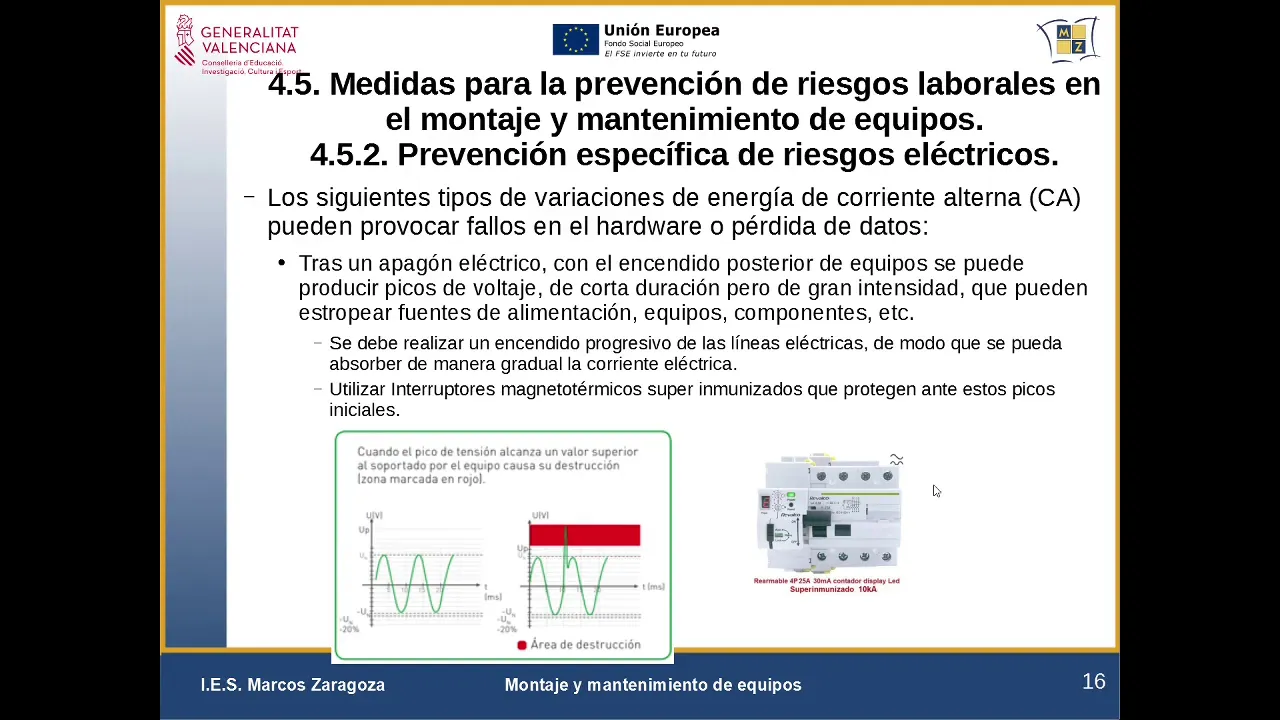
- After a blackout, the recovery of electricity can cause voltage spikes which may damage equipment if not managed correctly.
- It's common practice to turn off circuit breakers during an outage and gradually restore power once it's back on.
Managing Electrical Recovery
- Sudden surges in electricity can lead to equipment failure; thus, gradual restoration of power is recommended.
- Implementing a progressive startup of electrical lines allows for better absorption of current and reduces risk.
Protective Measures
- Using super immunized circuit breakers can help mitigate initial voltage spikes when restoring power.
- Controlled reactivation of electrical systems is crucial for protecting sensitive components from damage due to sudden changes in current.
Safety Precautions for Personnel
- Working with electronic equipment poses risks such as burns; precautions include allowing devices to cool down before handling them.