The Doctor That Got Banned For Speaking Out:“We've Been Lied To About Medication!” Dr Aseem Malhotra
COVID Vaccine and Health Implications
Introduction to Concerns about the COVID Vaccine
- The speaker expresses a reluctant conclusion that the introduction of the COVID vaccine has had a catastrophic net negative effect on society, marking this as a disturbing realization.
- Dr. MH Hatra, a prominent heart doctor in the UK, discusses reports of a 25% increase in unexplained heart attacks in Scottish hospitals, raising concerns about potential links to the vaccine.
Critique of Pharmaceutical Practices
- The speaker highlights that medical knowledge is often under commercial control, leading to harmful practices such as overprescribing medications.
- A credible estimate suggests that prescribed medications are the third most common cause of death globally after heart disease and cancer, indicating systemic issues within healthcare.
Shift Towards Lifestyle-Based Healthcare
- Emphasizes the need to transition from a drug-based healthcare model to one focused on lifestyle changes for better health outcomes.
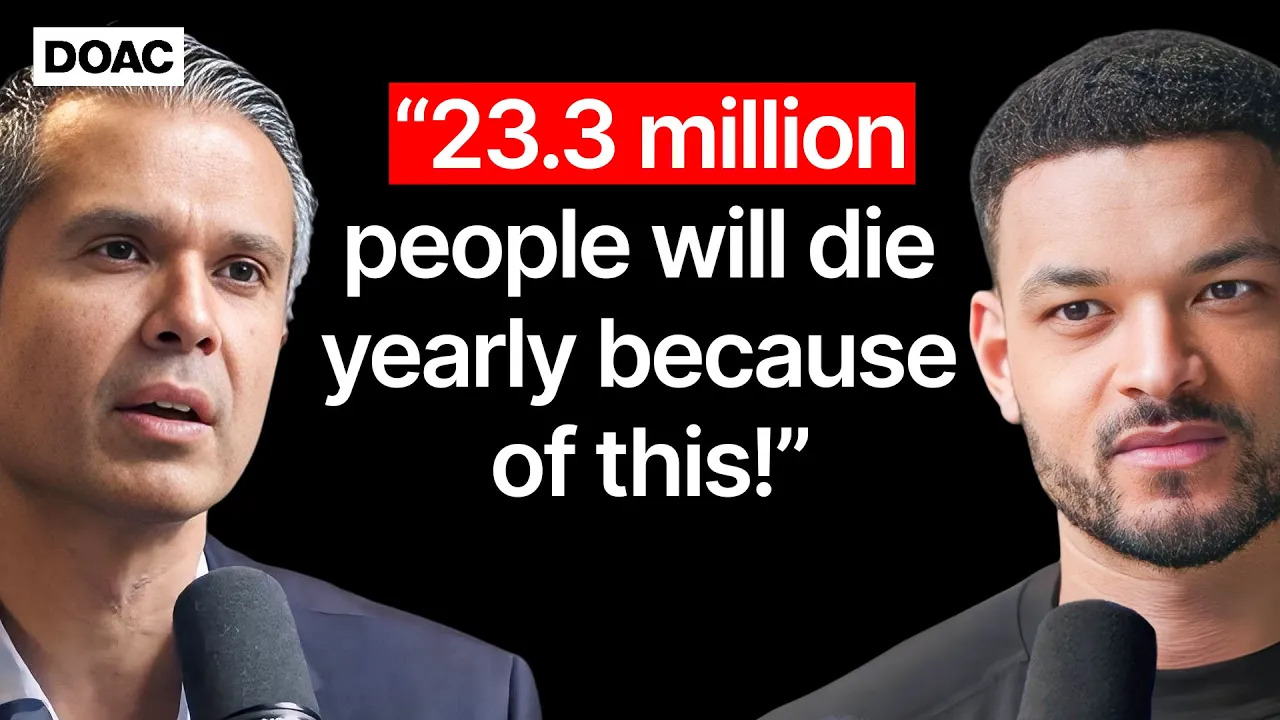
- By 2030, an estimated 23.3 million people will die yearly due to heart disease; however, statins only marginally increase life expectancy by 4.2 days over five years.
Documentary Insights: "First Do No Harm"
Purpose and Title Significance
- Dr. Asim discusses his upcoming documentary titled "First Do No Harm," crediting co-producer Donal O'Neal for its impactful name.
- The title reflects an effort to shift healthcare approaches from pharmacological methods towards lifestyle-based solutions backed by evidence.
Addressing Overprescription Issues
- The documentary aims to highlight wastefulness in healthcare systems where drugs are frequently overprescribed without considering non-drug alternatives.
- There is significant harm associated with prescribed medications; audiences often react strongly when informed about these risks during talks.
Medical Ethics and Professional Background
Understanding Medical Ethics
- The phrase "first do no harm" originates from basic principles of medical ethics that should guide doctors in their practice.
Speaker's Qualifications and Experience
Understanding the Impact of Heart Disease
The Journey to Specialization in Cardiology
- The speaker reflects on their experience as an NHS doctor until 2019, emphasizing a passion for medicine and the intense workload within the NHS.
- They highlight the high patient throughput in hospitals, particularly in cardiac catheter labs where diagnostic procedures are performed.
- The speaker shares a personal connection to cardiology, influenced by family background and a tragic event involving their brother's heart condition.
- At age 11, they experienced the loss of their brother due to viral myocarditis, which profoundly shaped their desire to prevent heart disease.
- This early trauma instilled a commitment to managing and helping patients with heart conditions throughout their medical career.
Importance of Heart Health
- The speaker discusses societal perceptions of health, noting that many focus on superficial aspects like weight rather than vital organs such as the heart.
- Globally, it is projected that by 2030, approximately 23.3 million people will die annually from heart disease, marking it as a leading cause of premature death in Europe.
- Beyond mortality rates, there is significant morbidity associated with heart disease that affects quality of life; patients may struggle with physical activities due to blockages or previous heart attacks.
- The discussion emphasizes that addressing root causes of health issues goes beyond image concerns; it includes stress management and social interactions.
Gender Differences in Heart Disease
- While men face higher rates of heart disease earlier in life, women typically develop these conditions later due to longer lifespans and hormonal factors post-menopause.
- Despite living longer, women still face significant risks related to heart disease after menopause; thus it's crucial not to overlook this demographic's health needs.
Personal Reflection on Healthcare System Strain
The Impact of Sugar and the NHS on Health
Personal Experience with Sugar Addiction
- The speaker reflects on growing up in a household filled with cakes and biscuits, leading to a sugar addiction that affected their mother's health.
- Despite being a loving mother, the speaker witnessed her gradual suffering due to health issues exacerbated by diet-related diseases.
Failures of the NHS
- The speaker had campaigned for years about the pressures on the NHS caused by diet-related diseases, highlighting missed opportunities for systemic improvements.
- When the speaker's mother was hospitalized for an infection, her frailty from arthritis contributed to a missed heart attack diagnosis over nine days due to hospital strain.
- A heart scan was performed but not reviewed promptly; results were only shared with the family after nine days, indicating systemic failures within the NHS.
Consequences of Missed Diagnoses
- The speaker identified that their mother had suffered a minor heart attack leading to heart failure after fluid accumulation in her lungs, resulting in intensive care and coma.
- This situation exemplified how the principles of patient care within the NHS have deteriorated over time due to systemic pressures.
Family Health History
- The discussion shifts to the speaker's father who passed away from a sudden unexplained heart attack at 73, linking it back to family health issues related to cardiac problems.
Lifestyle Factors and Heart Health
- The speaker discusses whether their father's heart attack was avoidable considering his active lifestyle and improved health after quitting sugar.
- Despite being fit and controlling high blood pressure through healthy eating influenced by his child's advocacy against sugar, unexpected chest discomfort led him to seek help.
Emergency Response Challenges
- After experiencing chest discomfort, there was hesitation in calling an ambulance; however, upon further description of symptoms, immediate action was advised.
- While waiting for emergency services from London to Manchester during this critical moment, anxiety grew as response times exceeded expectations.
Understanding Cardiac Events and COVID-19 Vaccines
The Impact of Timeliness in Medical Response
- The speaker reflects on the critical importance of timely medical intervention, suggesting that had the ambulance arrived sooner, survival was likely.
Unexplained Cardiac Issues
- Despite being healthy with no family history of heart disease, the speaker's father experienced severe blockages in his heart postmortem, raising questions about sudden health deterioration.
Rapid Progression of Heart Disease
- The speaker notes a rapid acceleration in heart disease over two to three years, indicating an unexpected change given the father's previously healthy lifestyle.
Stress as a Factor?
- While considering stress as a potential factor due to personal losses and professional pressures, the speaker finds it inconsistent with his father's resilient character and active social life.
Research Findings on mRNA Vaccines
- A study published by cardiologist Steven Gundry indicated that patients who received mRNA vaccines saw their risk of heart attack increase significantly within eight weeks post-vaccination.
Inflammation as a Mechanism
- The discussion highlights inflammation as a chronic condition linked to heart disease; if true, this could imply that COVID vaccines may exacerbate existing conditions or accelerate new ones.
Emerging Concerns from Fellow Researchers
- A colleague reveals findings showing inflammation in arteries among vaccinated individuals compared to unvaccinated ones but warns against further investigation due to potential funding repercussions.
Ethical Dilemmas in Medical Research
- The reluctance to explore these findings raises ethical concerns about corruption and integrity within medical research institutions influenced by pharmaceutical funding.
Personal Reflection on Vaccine Advocacy
- The speaker recounts past advocacy for vaccine safety while grappling with emerging evidence that contradicts earlier beliefs, highlighting the difficulty of changing one's stance based on new information.
GB News Interview and Vaccine Mandate Discussion
Introduction to the GB News Interview
- The speaker had a good rapport with GB News, particularly with presenter Alexander Phillips, who invited them for regular health slots.
- During a conversation about upcoming topics, the speaker suggested discussing concerns regarding vaccine safety, linking it to personal experiences including their father's death.
Context of COVID-19 and Vaccine Mandates
- At this time, reports from South Africa indicated that the Omicron variant was not more harmful than the flu.
- Despite these reassurances, UK Health Secretary Sajid Javid announced legislation mandating COVID vaccines for healthcare workers, which contradicted established medical practices in the UK.
Campaigning Against Vaccine Mandates
- The speaker noted that there was no precedent for mandating drugs in the UK and began campaigning against this decision as it lacked scientific backing.
- They highlighted that by November 2021, many understood that vaccines were not preventing infections effectively.
Investigative Findings on NHS Failures
- An investigation published by The I newspaper revealed delays in ambulance services contributing to the speaker's father's death.
- The deputy chief nurse of NHS England informed the speaker about a government cover-up regarding ambulance delays affecting public awareness.
Addressing Systemic Issues in Healthcare
- In interviews with BBC News, the speaker emphasized multifactorial reasons behind NHS failures but pointed out systemic issues driven by big food and pharma influences.
- They warned of an impending crisis due to 80,000–100,000 NHS staff refusing vaccination and argued against mandates as unethical.
Backlash from Medical Institutions
- Following their interview on GB News questioning vaccine safety, they received complaints from the Royal College of Physicians accusing them of spreading misinformation.
- This prompted concern over potential sanctions against them for advocating a pause on vaccine rollout amidst growing evidence of adverse effects.
Research Efforts and Conclusions on Vaccine Safety
- The speaker dedicated nine months to researching vaccine safety through discussions with whistleblowers and experts in immunology and cardiology.
Analysis of Vaccine Risks and Benefits
Serious Harm from Vaccination
- New data from Health Canada and the FDA indicates a serious harm rate of 1 in 800 for vaccine recipients, suggesting hospitalization, disability, or life-changing events are more likely than hospitalization due to COVID-19.
Age Group Considerations
- The analysis combines all age groups, raising questions about whether benefits outweigh harms specifically for different demographics.
Historical Context of Vaccine Safety
- A harm rate of 1 in 800 is deemed unacceptable; previous vaccines were pulled for lower harm rates (e.g., swine flu vaccine at 1 in 100,000).
Definitions of Serious Harm
- Serious harm is defined as requiring hospitalization or resulting in disability. Notably, around 40% of these serious harms were linked to clotting disorders.
Real-world Data on Hospitalization Rates
- Early real-world data was limited; however, UK data showed that over 70 individuals required vaccination to prevent one hospitalization due to COVID-19 after two doses of the Pfizer vaccine.
Evaluating Vaccine Effectiveness
Efficacy Against Omicron Strain
- For those over 70 years old, it took vaccinating approximately 2,500 people to prevent one hospitalization with COVID-19 during the Omicron wave.
Comparison with Other Age Groups
- In younger populations (under age 50), several hundred vaccinations may be needed to prevent one hospitalization. This raises concerns about relevance and effectiveness across different strains.
Concerns Regarding Myocarditis Risk
Reported Risks from mRNA Vaccines
- The British Heart Foundation states up to a risk of myocarditis or pericarditis at a rate of up to 1 in 10,000 following mRNA vaccination but emphasizes that this risk is very low.
Skepticism Towards Established Institutions
Discussion on Vaccine Impact and Heart Health
Counterarguments to the British Heart Foundation
- The speaker expresses a desire for the British Heart Foundation to engage in debate regarding their stance on vaccine safety, emphasizing the importance of high-quality evidence from randomized control trials.
- They highlight that independent reanalyses published in peer-reviewed journals indicate that vaccines may cause more harm than good, suggesting a disregard for significant data by health organizations.
Real-World Data Ignored
- The speaker points out that various studies, including those from Israel published in reputable journals, are being overlooked. This includes alarming statistics about heart attacks linked to COVID vaccinations.
- A specific statistic is mentioned: a 25% increase in heart attacks and cardiac arrests among individuals aged 16 to 39 post-vaccination, which was not attributed to COVID itself.
Lifestyle Factors and Pandemic Effects
- The discussion shifts towards lifestyle factors contributing to heart issues during the pandemic, such as social isolation, stress, and poor diet.
- The speaker reflects on how these factors could have influenced an increase in heart-related conditions rather than attributing it solely to vaccination effects.
Role of Vaccines vs. Other Factors
- Initially believing lifestyle factors were primarily responsible for increased heart attacks, the speaker later acknowledges that vaccines likely played a role but emphasizes the need for quality data to assess this impact accurately.
- They assert that while other factors contributed significantly, they believe vaccines are a primary driver of excess deaths related to heart conditions.
Pharmaco Vigilance Reports and Adverse Reactions
- Discussion includes pharmaco vigilance reports submitted by the public regarding adverse reactions post-vaccination; these reports are crucial yet often underreported.
- An example is given where after administering 9.7 million doses of one vaccine type (AstraZeneca), there were approximately 800,000 yellow card reports indicating adverse reactions.
Conclusion on Vaccine Efficacy
- The speaker concludes that all collected data suggests vaccines should be considered a primary cause of excess deaths until proven otherwise; however, this evidence is largely ignored by authorities.
COVID-19: Understanding Risks and Treatments
The Initial Impact of COVID-19
- The early data indicated that COVID-19 predominantly affected the elderly, with risks for those under 70 comparable to seasonal flu.
- Discussion on the lack of focus on lifestyle changes to improve immune systems during the pandemic; a friend in New York described the situation as devastating.
Personal Experiences with COVID-19 Symptoms
- The speaker recounts their own severe symptoms, including unusual back pain and needing medication at odd hours, highlighting the bizarre nature of COVID symptoms.
- Notable loss of smell and taste experienced by others was unprecedented, emphasizing that COVID presented different symptoms compared to flu.
Origins and Nature of the Virus
- There is a consensus that COVID-19 may have originated from a lab leak rather than a market; this shifts previous conspiracy theories into accepted discussions.
- Early serious illness primarily affected vulnerable populations, particularly in nursing homes.
Treatment Approaches During Early Pandemic
- Critique of treatment protocols used initially; many patients suffered due to improper management in intensive care units (ICUs).
- Mention of alternative treatments like Ivermectin being overlooked despite evidence suggesting safety and efficacy in preventing deaths among treated patients.
Vaccine Considerations and Efficacy
- By late 2020, considerations for vaccine introduction included virus mutation status and existing natural immunity among populations.
- Discussion on how drug companies often present misleading statistics regarding vaccine efficacy using relative risk reduction instead of absolute benefits.
Statistical Misrepresentation in Medical Trials
Understanding Vaccine Trials and Public Perception
The Influence of the Drug Industry on Medical Knowledge
- The speaker emphasizes that medical knowledge is largely under commercial control, a fact that many doctors and the public are unaware of.
Efficacy of Vaccine Trials
- Initial trials reported a 95% relative risk reduction against infection but did not demonstrate any reduction in COVID-related deaths.
- The absolute risk reduction for infection was only 0.84%, meaning one would need to vaccinate 119 people to prevent just one infection.
Misleading Information About Vaccination
- Many individuals were not informed about the low probability (less than 1%) of preventing infection through vaccination.
- Data from early 2023 indicated that approximately 2,500 vaccinations were needed to prevent one serious case of COVID in individuals over 70.
Changing Narratives Around Vaccination Goals
- Initially, the narrative focused on preventing infections rather than serious illness or death, leading to confusion among the public.
- Prominent media figures propagated this narrative, often dismissing dissenting opinions as anti-science.
Evaluating Vaccine Impact on Mortality Rates
- The speaker suggests that if vaccines had been limited to high-risk groups initially, there might have been fewer overall deaths.
- However, issues such as lack of informed consent regarding risks and benefits complicated this assessment.
Concerns Over Safety Testing and Informed Consent
- There was significant concern about the short-term safety data available for vaccines compared to traditional vaccine testing protocols which typically span several years.
Media's Role in Shaping Public Opinion
- Acknowledgment is given to media personalities who may have acted based on information provided by trusted sources without critical appraisal.
Institutional Trust and Information Sources
Understanding the Challenges of Misinformation in Health Systems
The Impact of Misinformation on Decision-Making
- Acknowledges the difficulty for groups to change their stance when they believe they have the best information, highlighting the potential harm in contradicting established views.
- Emphasizes that greater transparency in health systems from the beginning could have led to better information dissemination and decision-making.
- Critiques the system's prioritization of commercial confidentiality over public health, suggesting it favors big pharmaceutical interests rather than individual well-being.
The Role of Politicians and Lobbyists
- Discusses how politicians, despite good intentions, are often misled by lobbyists presenting curated information that serves corporate interests.
- Shares personal experiences campaigning for a sugar tax, illustrating how media pressure can influence government actions regarding public health strategies.
Transparency and Accountability in Public Health
- Highlights a concerning lack of meetings between government officials and public health experts compared to those with food industry representatives, indicating systemic bias.
- Reflects on politicians' shock upon learning about this imbalance, suggesting that many were unaware of their own capture by misinformation.
Fear as a Barrier to Critical Thinking
- Notes that initial fear during crises inhibited critical thinking among both professionals and the public, complicating responses to emerging challenges.
- Raises concerns about future vaccine skepticism due to past experiences with misinformation potentially leading to hesitance during new pandemics.
Learning from Mistakes in Medical Practice
- Advocates for transparency when mistakes occur in medical practice; patients tend to be forgiving if they perceive genuine intent behind errors.
Understanding Vaccine Hesitancy and Emotional Responses
The Role of Emotion in Vaccine Acceptance
- The discussion highlights how emotional responses can significantly influence public perception of vaccines, especially during pandemics. People may become less likely to accept vaccines due to feelings of betrayal or distrust rather than factual data.
- Acknowledging the uncomfortable truth that emotions often outweigh scientific evidence, the speaker emphasizes that personal feelings about trust and safety are paramount in vaccine acceptance.
Addressing Backlash and Transparency
- The speaker recounts personal experiences with backlash when discussing vaccine issues publicly, indicating a strong emotional reaction from some individuals who feel misled by health authorities.
- It is crucial to confront these emotional reactions openly; ignoring them will not lead to progress. Greater transparency about past mistakes in vaccine administration is necessary for rebuilding trust.
Understanding Different Vaccines
- There is a distinction made between traditional vaccines, which have proven life-saving benefits, and newer vaccines. The speaker supports traditional vaccines while expressing concerns over public perception of all vaccines as being the same.
- Misunderstandings about what constitutes a vaccine contribute to fear; people often generalize their fears without recognizing differences among various types of vaccines.
Trust Erosion and Communication
- Trust in the healthcare system has been eroded due to negative perceptions surrounding vaccines. This loss of trust complicates public willingness to accept new vaccinations.
- Effective communication is essential for restoring trust. Patients desire clear information presented understandably, which includes acknowledging uncertainties around medical data.
Navigating Conflicting Opinions on Vaccines
- The conversation touches on conflicting opinions regarding COVID-19 vaccinations from experts like Professor Mark DW, highlighting the challenge for individuals trying to discern credible information amidst differing expert views.
- Listeners are encouraged to rely on their intuition when faced with conflicting narratives about vaccine safety but must also recognize that fear can cloud judgment.
Discussion on Medical Bias and Personal Experiences
Allegations of Bias in Medical Reporting
- The speaker highlights that Mark DW, who criticized them, has received funding from Pfizer, suggesting a potential bias in his views.
- The MHRA (Medicines and Healthcare products Regulatory Agency), described as independent, is revealed to receive 86% of its funding from Big Pharma, raising questions about its impartiality.
Impact of Criticism on Credibility
- The article's purpose appears to be undermining the speaker's credibility while they aim to expose serious issues related to public health.
- The speaker draws parallels between their situation and historical figures like Mandela and Gandhi, emphasizing that threats to industries often lead to personal attacks.
Silence Among Professionals
- Despite claims that most cardiologists disagree with the speaker’s views, many privately support their work but fear speaking out due to industry pressures.
- A cardiologist shared privately that colleagues trust the speaker's integrity but are hesitant to publicly reject COVID vaccines.
Personal Struggles with Public Perception
- The speaker expresses frustration over the lack of progress in addressing vaccine-related health issues despite widespread suffering.
- They reference Jordan Peterson’s idea that silence equates to complicity in tyranny, highlighting the importance of voicing dissenting opinions.
Emotional Toll and Support Systems
- The emotional burden of being attacked for their beliefs is significant; however, they find solace in supportive interactions with others who share similar concerns.
Vaccines: A Net Positive or Negative?
Initial Perspectives on Vaccines
- The speaker acknowledges that vaccines, particularly traditional ones, are significant achievements in medicine and suggests that the COVID vaccine was beneficial for vulnerable age groups at its inception.
Shift in Vaccine Efficacy
- The discussion shifts to the Omicron variant, with the speaker suggesting that by this point, the COVID vaccine may have become a net negative.
Nuanced Considerations of Health Outcomes
- The speaker emphasizes the importance of nuanced discussions regarding health outcomes, questioning the value of preventing COVID if it leads to other serious health issues like cardiac arrest.
Corporate Influence on Vaccine Distribution
- Concerns are raised about corporate influence (specifically Pfizer's role) in promoting vaccine mandates despite evidence showing limited efficacy in preventing infection and potential harm.
Systemic Issues in Capitalism
- The speaker critiques capitalism as a system where corporations prioritize profit over safety, describing them as "psychopathic" institutions due to their disregard for public welfare.
Impact of Lifestyle Changes on Heart Disease
Lifestyle Factors Contributing to Heart Conditions
- It is suggested that lifestyle changes resulting from lockdown measures contributed to an increase in heart disease cases, although this is viewed as a smaller factor compared to others.
Understanding Heart Disease and Heart Attacks
Definition of Heart Disease
- Heart disease is defined as conditions affecting blood vessels leading to plaque buildup (coronary artery disease), which can cause blockages.
Mechanism of Blockage and Its Consequences
- Plaque buildup consists of immune cells and cholesterol; when it ruptures, it can lead to clot formation that blocks blood supply to heart muscle, causing cell death.
Symptoms and Effects of a Heart Attack
- A heart attack occurs when part of the heart muscle dies due to blocked blood supply. Classic symptoms include crushing pain radiating through various parts of the body such as neck and arms.
Timeline from Onset to Damage
Understanding Cardiac Arrest and Cholesterol Management
The Nature of Cardiac Arrest
- Cardiac arrest refers to the heart stopping, which is a common occurrence at death; however, it can happen prematurely due to various causes.
- A heart attack may occur while a person is conscious and experiencing pain, leading to hospital treatment such as stent placement or blood thinners.
- Damage to the heart muscle can disrupt its electrical activity, causing irregular pumping rhythms essential for blood circulation.
- Ventricular fibrillation occurs when the heart quivers instead of pumping effectively, often depicted in media as requiring defibrillation.
- Prolonged ventricular fibrillation can lead to death if not treated promptly; statistics indicate significant mortality rates from coronary heart disease.
Statistics on Heart Disease
- In the UK, one in eight men and one in fourteen women die from coronary heart disease during their lifetime.
- Nearly 50% of U.S. adults have some form of heart disease; prior to the pandemic, 12 children died weekly from cardiac arrest in the UK.
Personal Health Insights: Cholesterol Levels
- The speaker shares personal health results indicating low vitamin D levels and high bad cholesterol (LDL), prompting concerns about future health risks.
- Statins are commonly prescribed for high cholesterol; over 200 million people globally take them.
Cholesterol Management Strategies
- Traditionally, medical advice has focused on lowering LDL cholesterol (considered "bad" cholesterol), based on historical studies linking high levels with increased heart disease risk.
- Research indicates that very high total cholesterol correlates with higher prevalence of heart disease but only at extreme levels above 10 mmol/L for total cholesterol and above 7 or 8 mmol/L for LDL.
Genetic Factors in Cholesterol Levels
- Approximately 80% of an individual's cholesterol level is genetic; thus, lifestyle changes alone may not significantly alter these levels.
Understanding Cholesterol and Heart Disease
The Genetic Component of Cholesterol Levels
- The initial discussion highlights that cholesterol levels are predominantly influenced by genetics, raising questions about the validity of earlier studies linking high cholesterol directly to heart disease.
- It is suggested that individuals with low cholesterol may have other unmeasured genetic factors contributing to heart disease, indicating a complex relationship between cholesterol and health.
The LDL-Cholesterol Debate
- For years, the medical community promoted a linear relationship where lower LDL (low-density lipoprotein) levels were believed to reduce heart disease risk.
- A notable commentary by cardiologist William Roberts claimed that even unhealthy lifestyle choices could be mitigated by having low LDL levels, which raises skepticism about this assertion.
Historical Context and Drug Trials
- In the late 90s, researchers predicted that statin drugs would nearly eradicate heart disease due to their ability to lower cholesterol; however, this prediction has not materialized as expected.
- Prior to statins' introduction, numerous trials indicated no significant benefits in preventing heart attacks or strokes through cholesterol-lowering drugs.
Statins: Mechanism and Controversy
- Despite initial failures in drug trials for lowering cholesterol without showing benefits, statins eventually demonstrated some effectiveness; however, their success may stem from anti-inflammatory properties rather than just lowering LDL.
- There is an acknowledgment that while statins can lower LDL levels effectively, they also possess additional properties that contribute to their perceived benefits against heart disease.
Evaluating Statin Benefits
- The speaker emphasizes the need for caution regarding claims made by drug companies about statin efficacy since raw data from trials has not been independently verified.
Understanding Statins and Heart Disease
Quality of Life Impact from Statins
- A significant number of patients experience quality-of-life limiting side effects from statins, including fatigue, muscle pain, erectile dysfunction, and sleep disturbances.
- These side effects are often reversible within a few weeks after stopping or reducing the dosage of statins.
Controversy Surrounding Statin Side Effects
- Research suggests that approximately 20% of patients may suffer from side effects related to statin use, which has sparked controversy among medical professionals.
- Critics argue that highlighting these side effects could deter low-risk individuals from taking statins, potentially leading to increased mortality rates.
Benefits vs. Risks for High-Risk Patients
- For high-risk patients (e.g., those who have had a heart attack), the benefit of taking statins is more pronounced; it reduces the risk of further heart attacks by about 2.5% over five years.
- The actual life extension attributed to statin use over five years is only about 4.2 days according to industry-sponsored trials.
Patient-Centric Perspective on Treatment
- The speaker emphasizes the importance of understanding treatment options not just as a doctor but also as a potential patient seeking improved quality of life.
- While some patients may choose to take statins without experiencing side effects, there is a need for alternatives that do not compromise quality of life.
Lifestyle Changes as an Alternative
- Approximately 80% of heart disease cases are linked to environmental and lifestyle factors; thus, lifestyle changes can be crucial in prevention.
- Insulin resistance is identified as a key biological factor contributing to heart disease; managing this condition through diet is essential.
Diet's Role in Heart Disease Prevention
- Poor dietary choices account for around 50% of heart disease globally; addressing diet can significantly impact health outcomes.
Understanding Sugar Consumption
- The speaker brings attention to sugar consumption by stating that there is no nutritional requirement for added sugars or table sugar in our diets.
Understanding Dietary Sugar and Its Health Implications
The Nutritional Value of Sugar
- There is no nutritional value in dietary sugar; the body can produce glucose from fats and proteins.
- The World Health Organization recommends a maximum daily limit of six teaspoons of added sugar for adults, emphasizing that there is no requirement for dietary sugar.
Sugar Consumption Statistics
- A typical sugary drink (330ml) contains about nine teaspoons of sugar, exceeding the recommended daily limit.
- For children aged 4 to 8 years, the USDA recommends a maximum intake of three teaspoons of sugar, while average American consumption is at least 20 teaspoons per day.
Types of Sugars and Their Effects
- "Free sugars" include added sugars as well as those found in fruit juices and syrups, which have similar effects on health.
- Whole fruits are beneficial due to their fiber content, which mitigates rapid blood glucose spikes caused by fruit juices.
Health Consequences of Excessive Sugar Intake
- Chronic high insulin levels from rapid glucose spikes can lead to increased hunger and long-term health issues like heart disease.
- Approximately 70% of supermarket foods in America contain added sugars, enhancing palatability but posing health risks.
Addressing Sugar Consumption at a Societal Level
- Implementing taxes on sugary drinks could reduce consumption and raise awareness about their harmful effects, similar to past tobacco control measures.
Understanding the Impact of Ultra-Processed Foods
The Environmental Problem of Ultra-Processed Foods
- The consumption of ultra-processed foods is a significant environmental issue, with food environments saturated with unhealthy options.
- Hospitals serve junk food to patients with obesity-related conditions, raising concerns about the health implications for both patients and staff.
Health Risks Associated with Sugar Consumption
- High sugar intake significantly increases the risk of developing heart disease; while exact figures are hard to provide, the correlation is evident.
- A substantial portion of adult Americans (one-third to one-half) are pre-diabetic, highlighting a public health crisis linked to dietary habits.
Metabolic Health Indicators
- Metabolic health can be assessed through five key measurements: waist circumference, blood triglycerides, HDL cholesterol levels, HbA1c levels, and blood pressure.
- Having three abnormal parameters indicates metabolic syndrome, which is prevalent among heart attack patients—over 50% exhibit this condition.
Potential Benefits of Dietary Changes
- Shifting eating habits away from ultra-processed foods could halve global heart disease death rates within a year by promoting healthier options like nuts and oily fish.
- Improved dietary choices may lead to longer lifespans and better quality of life as individuals manage chronic diseases more effectively.
The Role of Stress in Heart Disease
- Chronic stress has been identified as a major risk factor for heart disease, comparable to smoking or high blood pressure. Many patients experience elevated stress prior to heart attacks.
Mechanisms Linking Stress and Heart Health
- Acute stress triggers beneficial physiological responses; however, chronic stress leads to low-grade inflammation that can increase clotting factors in the blood.
Understanding Heart Health and Lifestyle Interventions
The Impact of Stress on Heart Health
- Discussion on how stress, particularly from work and relationships, can influence heart health and inflammatory markers in the blood.
- Introduction of breath work and meditation as interventions to manage stress levels effectively.
Case Study: Reversing Heart Disease
- Overview of a cardiologist in India who has been reversing heart disease through lifestyle changes over 20 years, focusing on a high-fiber vegetarian diet and regular exercise.
- Description of Raj yoga meditation as part of the lifestyle plan, emphasizing its role in addressing emotional well-being alongside physical health.
Results from Lifestyle Changes
- Follow-up study results showing significant reductions in arterial blockages among participants adhering to the lifestyle plan; average blockage reduction was noted (e.g., 70% to 50%).
- Identification that the only independent factor for reversal was daily practice of Raj yoga meditation for 40 minutes.
Challenges in Medical Publication
- Insight into difficulties faced by the cardiologist when attempting to publish his findings due to potential conflicts with established medical practices and industries (e.g., stent business).
- Reflection on how corporate interests may hinder advancements in preventative medicine, highlighting a cultural issue within the medical establishment.
Recommendations for Daily Routine
- Inquiry about an optimal daily routine for maintaining heart health; emphasis on sleep quality (at least seven hours).
- Suggestions regarding meal frequency (two to three meals), prioritizing whole foods while avoiding ultra-processed options.
Fasting Considerations
Nutrition and Heart Health
Importance of Whole Fruits and Vegetables
- Emphasizes the consumption of whole fruits and vegetables, particularly low-sugar options like mixed berries, aiming for at least five to seven portions daily.
Anti-Inflammatory Foods
- Highlights key anti-inflammatory foods supported by evidence:
- Extra virgin olive oil as a primary fat source.
- Nuts and seeds such as almonds, walnuts, and hazelnuts.
- Oily fish recommended at least twice a week.
Dietary Myths Debunked
- Addresses misconceptions about saturated fats; states that consuming red meat (like steak) two to three times a week is nutritious and not harmful to heart health.
Managing Stress for Heart Health
Subjective Nature of Stress Management
- Discusses the subjective experience of stress and the importance of finding effective coping mechanisms.
Effective Stress Relief Techniques
- Suggests various methods for managing stress:
- Exercise, yoga, Pilates, or breath work.
- Personal practice includes using an app called Calm for daily breath work.
Exercise: Finding Balance
Risks of Overexercising
- Warns that excessive exercise can lead to severe blockages or heart disease in elite athletes due to potential genetic predispositions.
Recommended Exercise Guidelines
- Recommends adhering to guidelines suggesting 150 minutes of moderate activity weekly.
The Role of Moderate Activity
Impact on Heart Health
- Cites studies indicating marathon runners may experience heart attacks similar to those with pre-existing conditions due to over-exercising.
Immune System Considerations
- Notes that athletes engaging in intense exercise more than once daily have increased rates of respiratory infections compared to those who maintain moderate activity levels.
Social Connections and Mental Well-being
Importance of Socializing
- Stresses the significance of social relationships for both mental and physical health.
Benefits of Physical Affection
The Impact of Loneliness on Health
The Connection Between Social Interaction and Immune Response
- Research from the early 2000s involved inoculating individuals with a cold virus to study symptoms.
- Participants completed questionnaires assessing their social lives; those engaged in community activities had better health outcomes.
- Only one in three socially active individuals developed colds, compared to two out of three who were more isolated.
- This suggests that loneliness may significantly impact overall health and immune function.
Addressing the Loneliness Epidemic
- There is a growing mental health crisis linked to societal distrust and fear of open dialogue.
- Ethical behavior and honesty are essential for improving both physical and mental well-being amidst current economic pressures.
Core Values and Personal Integrity
- The speaker reflects on values instilled by their father, emphasizing loyalty, integrity, and being a good human being.
- A quote from Socrates highlights that true wisdom comes from dialogue aimed at reducing human suffering.
The Importance of Open Dialogue
- Understanding oneself is crucial for engaging meaningfully with others; compassion is key in discussions.
- Society faces polarization, which hinders constructive conversations about critical issues like health information.
Navigating Conversations Around Health Topics
- Lack of conversation can be as harmful as misinformation; diverse opinions should be presented for informed decision-making.
- Podcasts serve as platforms for open discussion, allowing various viewpoints to be shared without bias or agenda.
Exploring the Nature of Truth and Humanity
The Complexity of Truth
- The speaker reflects on the idea that truth often lies in the middle ground, emphasizing the importance of humility when considering historical figures like Martin Luther King and Gandhi, whose ideas were initially met with resistance.
- Acknowledges that significant ideas may provoke discomfort or challenge prevailing narratives but should not be censored. This highlights the necessity for open discourse in society.
The Importance of Seeking Truth
- Emphasizes that seeking greater truths is essential, as living without understanding can lead to a meaningless existence. This underscores a philosophical perspective on knowledge and enlightenment.
Qualities of Superstars
- Discusses a question posed by a previous guest regarding what qualities make individuals "Superstars." The response centers around a profound love for humanity as a defining trait.
- Notes that true Superstars are often not those who are famous or wealthy but rather individuals who contribute positively to society through various fields such as entertainment, music, or sports.
Humility Among Excellence
- Highlights that among exceptional individuals, humility stands out as an extraordinary quality. This suggests that greatness is complemented by modesty and approachability.
Acknowledgment of Contributions
- The speaker expresses gratitude towards Dr. Dine for his impactful work and courage in presenting counter-narratives in society, reinforcing the value of diverse perspectives.
- Conveys appreciation for Dr. Dine's fearless pursuit of truth despite potential consequences, indicating how vital such voices are for personal growth and societal progress.
Turn any video into a summary like this
YouTube links, meetings, lectures — with transcripts, search, and chat.