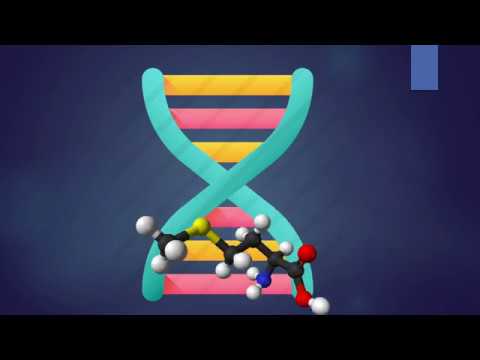
ESTRUCTURA DEL ADN (Ácido desoxirribonucleico)
Understanding the Structure of DNA
Overview of DNA
- DNA, or deoxyribonucleic acid, is a complex molecule primarily responsible for storing genetic information and providing instructions for protein synthesis that dictate cellular functions, division, and organism formation.
- The transmission of DNA across generations explains familial resemblances, linking individuals to their ancestors through ancient genes.
Locations of DNA in Humans
- In humans, DNA is found in two main locations:
- Mitochondria (inherited from the mother).
- Nucleus (packaged into structures called chromosomes).
Composition of DNA
- The basic building blocks of DNA are nucleotides, which form a sequence along the chain. Each nucleotide consists of:
- A phosphate group.
- A pentose sugar (deoxyribose).
- A nitrogenous base.
Structure and Functionality
- The phosphate group and pentose sugar create a backbone linked by phosphodiester bonds, forming the structural framework for the nucleotide sequence.
- Nitrogenous bases are attached to the pentose sugar; they are categorized into purines (adenine and guanine) and pyrimidines (cytosine and thymine).
Double Helix Formation
- The structure of DNA comprises two parallel strands that complement each other through paired nitrogenous bases located within the helical interior.