Ionic Bonding Introduction
Introduction to Ionic Bonds
Overview of Ionic Bonds
- The video introduces ionic bonds, explaining that they are a type of chemical bond that holds atoms together, likened to glue.
- Ionic bonds specifically connect metal atoms with non-metal atoms, as illustrated by the periodic table's separation of these elements.
Examples of Ionic Compounds
- Examples provided include silver chloride, magnesium iodide, and aluminum oxide, all consisting of metals bonded to non-metals.
Understanding Sodium Chloride Formation
Components of Sodium Chloride
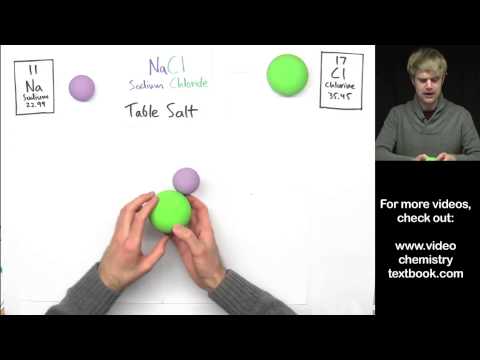
- Sodium chloride (table salt) is composed of sodium (Na) and chlorine (Cl), which will be explored in detail regarding their bonding process.
Transition from Atoms to Ions
- The video explains how separate sodium and chlorine atoms become bonded through ionic bonds by acquiring electrical charges.
The Process of Ionic Bonding
Charge Acquisition
- Sodium loses an electron to chlorine during bonding; this transfer results in sodium becoming positively charged and chlorine negatively charged.
Definition of Ions
- Atoms with charges are termed ions: sodium becomes a positive ion while chlorine transforms into a negative ion known as chloride after gaining an electron.
Steps in Forming an Ionic Bond
Key Steps Outlined
- Three critical steps for forming an ionic bond using sodium chloride:
- Electron Transfer: Sodium transfers one electron to chlorine, resulting in charge changes for both atoms.
- Ion Formation: This transfer creates a positive sodium ion and a negative chloride ion.
How Do Ionic Bonds Form?
Basics of Ionic Bond Formation
- The speaker introduces the fundamental concept of ionic bonds, emphasizing that they involve the attraction between charged particles.
- It is noted that the discussion will delve deeper into the mechanics of electron movement in future content.
- The importance of understanding the basic steps involved in ionic bond formation is highlighted before proceeding to more complex details.