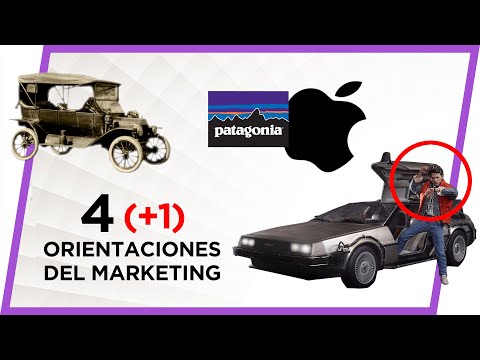
Las ORIENTACIONES del MARKETING
Marketing Orientations in Fashion and Automotive Industries
Introduction to Marketing Orientations
- The speaker introduces the topic of marketing orientations, highlighting four main types with an additional fifth emerging trend.
- Focus is on how these orientations apply specifically to the fashion and automotive industries.
Orientation to Production
- This classic approach from the 20th century emphasizes producing low-cost, easily available products. Companies aim for efficiency in distribution and production to maximize profitability.
- Example in fashion includes companies that produce basic merchandise like baseball caps, which are inexpensive and disposable.
- In the automotive sector, Ford's model exemplifies this orientation by mass-producing affordable cars for a broader market rather than luxury vehicles for the wealthy.
Orientation to Product
- This orientation focuses on creating exceptional products with advanced functionalities, assuming consumers desire high-quality innovations over affordability. Marketers prioritize product design over consumer feedback.
- High fashion brands represent this orientation by creating exclusive garments aimed at a niche market rather than mass sales; they often sell limited quantities targeted at affluent customers or celebrities.
- An example from automotive is the DeLorean car, known for its iconic design but lacking practical utility compared to more functional vehicles at similar price points.
Orientation to Sales
- This approach posits that customers will not purchase products without significant sales efforts; it’s common in industries where consumers do not initially recognize their need for a product (e.g., insurance).
- Examples include merchandising strategies used by brands like PlayStation, where promotional efforts can drive sales of items that consumers might not consider buying initially (like concert merchandise).
- In automotive contexts, leasing or renting plans illustrate this orientation as they require active selling efforts to convince potential buyers of their value proposition.
Marketing Orientations and Consumer Focus
Understanding Market Orientation
- The concept of market orientation involves companies adapting their offerings based on consumer needs rather than producing indiscriminately. This approach emphasizes understanding what consumers want before creating products.
- An example from the fashion industry is Inditex, which tailors its products to meet the demands of young consumers seeking affordable fashion styles.
- Companies like Massimo Dutti cater to a different segment by providing more elegant, higher-quality clothing, demonstrating how businesses can design stores and products that align with specific consumer desires.
Automotive Industry Insights
- In the automotive sector, brands target diverse consumer preferences; some buyers are willing to pay more for performance and enjoyment in sports cars, while others prefer budget-friendly options like Dacia.
- The overarching principle remains: businesses that align their production with consumer desires are likely to achieve greater profitability.
Emergence of Social Marketing Orientation
- A newer trend in marketing is social marketing orientation, where companies aim not only to satisfy consumer needs but also to create a positive societal impact.
- This approach can be ambiguous as many brands adopt socially responsible messaging—such as promoting sustainability—potentially blurring the lines between genuine intent and marketing strategy.
Examples of Socially Responsible Brands
- Patagonia exemplifies this orientation by focusing on environmentally friendly practices in fashion, aiming for a positive ecological impact through its business model.
- Tesla was founded with the goal of addressing environmental concerns associated with traditional automotive manufacturing, positioning itself as a leader in sustainable transportation solutions.
Conclusion on Marketing Orientations
- Understanding these five orientations (or four depending on interpretation) provides valuable insights into marketing history and strategies that companies may adopt to better connect with consumers.