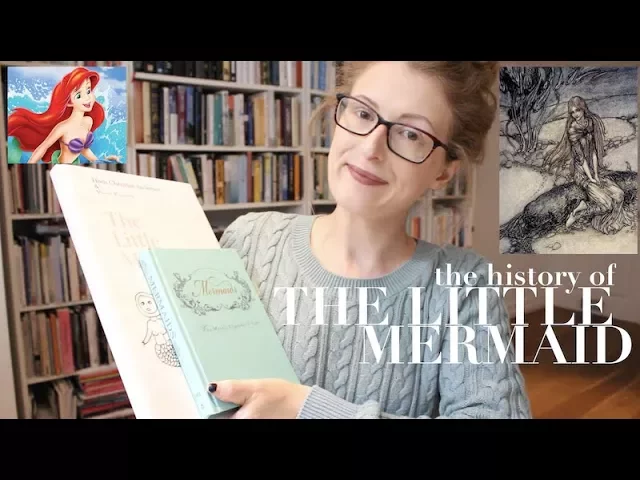
The True History of The Little Mermaid | Fairy Tales with Jen
Introduction to The Little Mermaid
Overview of the Episode
- Jen introduces a new episode of "Fairy Tales with Jen," focusing on "The Little Mermaid."
- She mentions that mermaids are present in folklore worldwide and recommends a book titled Mermaid: The Myths, Legends, and Lore by Skye Alexander for further reading.
Author and Historical Context
- The definitive author of "The Little Mermaid" is Hans Christian Andersen, who wrote it in 1836.
- Andersen's tale was influenced by the novella Undine, published in 1811, which features a water spirit seeking a soul.
Differences Between Versions
Comparison with Disney Adaptation
- Jen recalls her surprise at watching an earlier cartoon adaptation of Andersen's story instead of the Disney version.
- She describes the plot where the youngest mermaid eagerly awaits her chance to visit the surface world at age 15.
Plot Summary
- On her first outing, she sees a prince during a party but later rescues him from drowning during a storm.
- After saving him, she hides while another woman takes credit for his rescue, leading to feelings of jealousy and longing.
Themes of Sacrifice and Desire
Quest for Humanity
- The little mermaid learns about souls and immortality; humans can attain eternal life through goodness.
- Driven by love for the prince and desire for a soul, she visits the sea witch to trade her voice for legs.
Consequences of Transformation
- Upon gaining legs, she experiences pain as part of her transformation—a metaphorical exploration of bodily difference.
Unrequited Love and Despair
Relationship Dynamics
- The prince treats her patronizingly; he plans to marry another woman believing she saved him.
Dilemma Faced by the Mermaid
- As part of their bargain with the sea witch, if he does not love her back within days, she will die—highlighting themes of desperation in love.
Climax and Resolution
Sisters' Sacrifice
- Her sisters offer their hair to obtain a knife from the sea witch so that she can kill the prince to regain her mermaid form.
Final Choice
- Ultimately choosing love over revenge, she refuses to kill him. Instead, as dawn breaks, she transforms into foam but gains a soul—reflecting profound themes about sacrifice and redemption.
Reflection on Themes
Dark Nature of Andersen's Tale
Exploring Themes in Hans Christian Andersen's The Little Mermaid
Heartbreak and Unrequited Love
- The narrative reveals that Edward made the speaker feel loved, yet he was heartbroken when Edward chose to marry another woman, paralleling themes from "The Little Mermaid."
Societal Constraints on Expression
- In "The Little Mermaid," the protagonist is granted legs but loses her voice, symbolizing societal restrictions on expressing true feelings, particularly for LGBTQ individuals during Andersen's time.
Religious Themes and Identity Struggles
- Andersen's works often explore religious themes; he grappled with the belief that queer people lacked souls and could not attain heaven, mirroring the mermaid’s quest for acceptance.
Desire for Belonging
- The mermaid strives to fit into human society while struggling with her identity. This reflects a broader historical context of longing for acceptance amidst societal rejection.
Personal Connection to the Fairy Tale
- The speaker expresses a deepening kinship with "The Little Mermaid," highlighting how personal experiences can transform one's perception of stories over time.
Invitation for Further Exploration