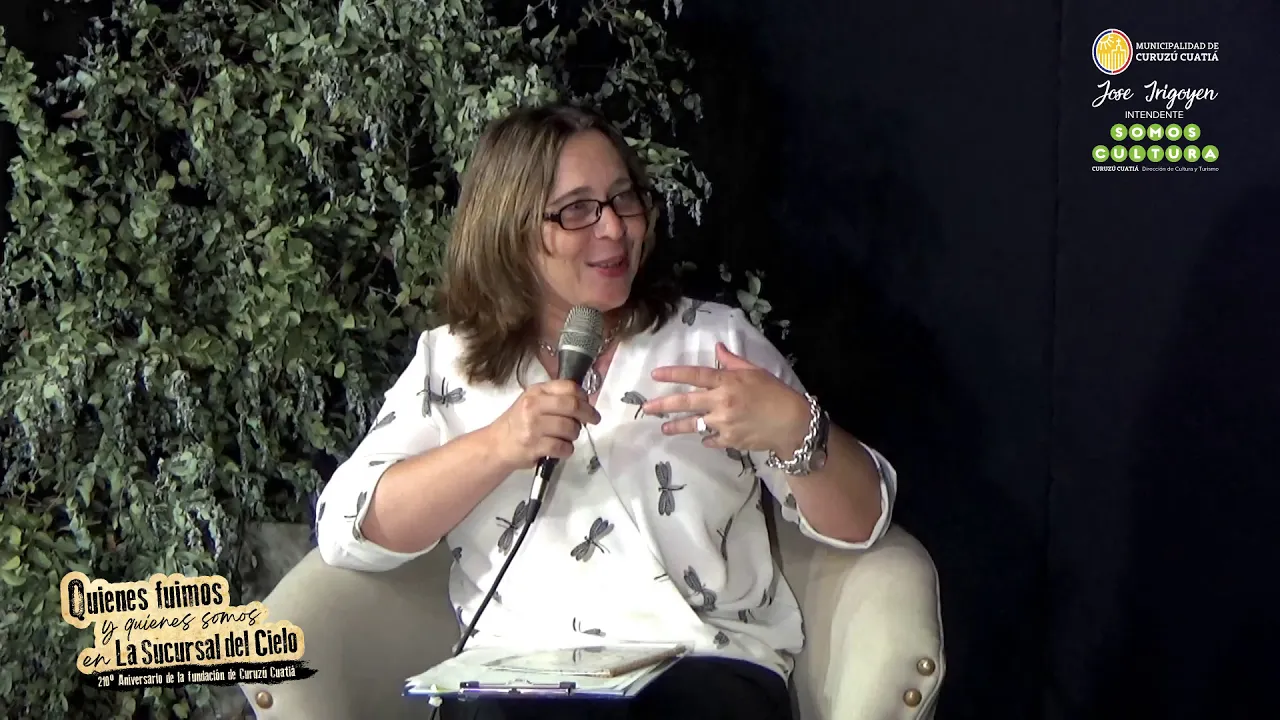
Joaquín (Tito) Molina en Quienes Fuimos y Quienes Somos en la Sucursal del Cielo
Who We Were and Who We Are
Introduction to Tito Molina's Story
- The discussion begins with a focus on the richness of material and immaterial wealth present in everyday life, introducing the context of the conversation.
- Tito Molina is introduced as someone born into a humble family on June 15, 1933, in Curuzú Cuatiá. His parents were Candelaria Niño (a housewife) and Joaquín Molina (a laborer).
Early Life and Education
- Tito shares memories of his childhood, including being taken by his father to various places like santería, indicating an early exposure to diverse experiences.
- He recounts how he had to leave school early due to financial constraints but still pursued education at an industrial school where he learned carpentry.
Crafting Toys and Family Dynamics
- Tito reflects on making his own toys from household materials, highlighting a lost tradition that fostered creativity among children.
- He discusses family dynamics, mentioning siblings who moved away for marriage or work while he remained close to home.
Career Beginnings
- At age 19, after military service, Tito began working in Buenos Aires. He describes transitioning through various jobs before settling into the meat industry.
- He emphasizes the influence of his father’s legacy in butchery and how it shaped his career path.
Establishing His Business
- Tito explains how he started his own butcher shop after gaining experience and knowledge from working alongside his father.
- He highlights the importance of quality in production as instilled by his father: "Always do good things," emphasizing integrity over profit.
Growth and Challenges
- The conversation shifts towards challenges faced during business growth; Tito reflects on maintaining high standards despite market changes.
- He mentions investing in machinery for better production efficiency while ensuring product quality remained paramount.
Community Impact and Resilience
- As supermarkets emerged, Tito adapted by focusing on unique offerings that catered specifically to local tastes.
Insights into the Craft of Butchery
The Process of Preparing Meat
- The speaker discusses the meticulous process of butchering, emphasizing the need to remove bones and veins carefully. This task is time-consuming and varies based on the size of the meat.
- Different types of meat are sorted according to tenderness: tender cuts go through a larger grid, semi-tender through a medium grid, and tougher cuts through a finer grid.
- The speaker reflects on their passion for butchery, which was influenced by family traditions and experiences in their father's shop.
Customer Relationships and Experiences
- A question about early customers leads to reflections on initial clientele from nearby neighborhoods, highlighting community ties.
- Anecdotes reveal that customer interactions can be unpredictable; some clients may request credit or delayed payments, showcasing trust dynamics in local commerce.
Challenges in Business Operations
- The speaker shares frustrations with ungrateful customers who may take advantage of leniency in payment terms.
- There are mentions of complications involving legal documents related to business operations, indicating challenges faced beyond just selling meat.
Personal Life and Family Background
- Discussion shifts to personal history; the speaker recalls significant periods in their life when they sold more products during peak times (1970s).
- The speaker describes their large family background with nine siblings, illustrating how familial connections have shaped their identity.
Community Contribution and Legacy
- Emphasis is placed on hard work and dedication not only for personal success but also for contributing positively to the community.