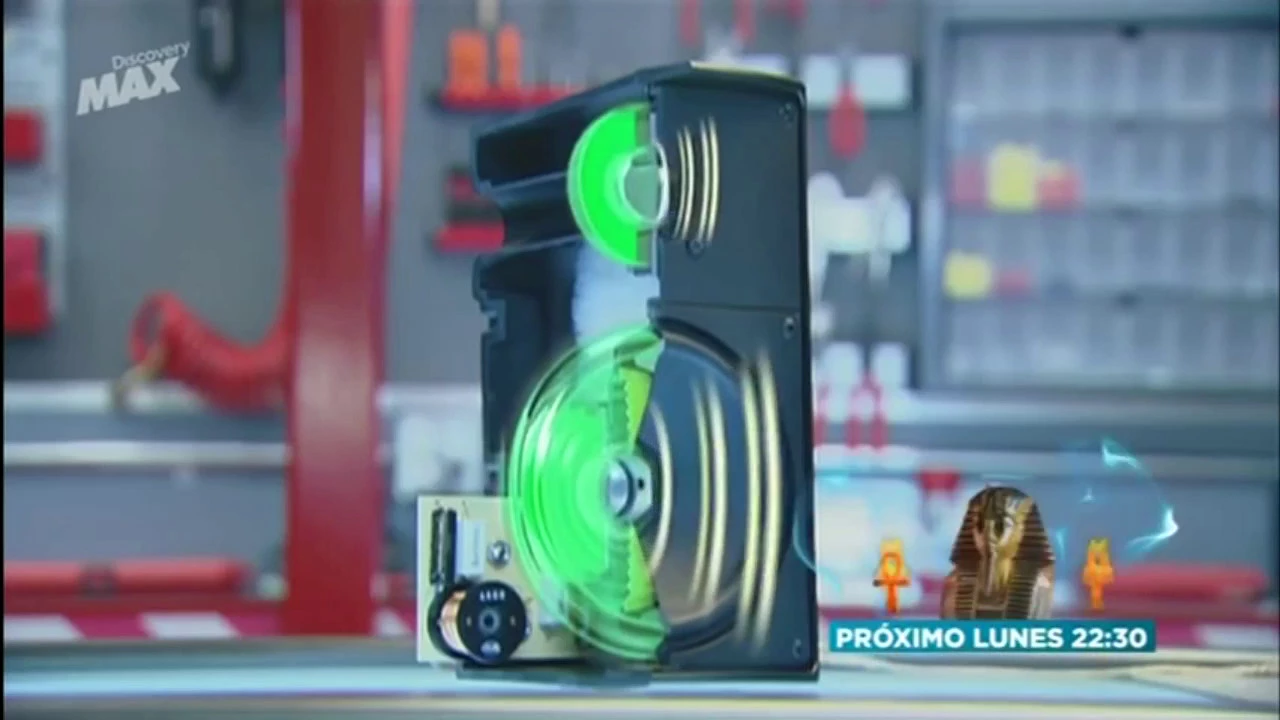
Como Funciona El Parlante
How Do Speakers Work?
Introduction to Sound and Speakers
- The concept of sound is introduced as air in motion, where molecules generate waves that travel to our ears.
- A speaker is defined as a machine that creates sound waves through the interaction of electric current, copper winding, and a plastic diaphragm.
Mechanism of Sound Production
- The diaphragm vibrates due to the electric current passing through the copper winding, creating sound waves by pushing and pulling surrounding air.
- Two types of speakers are mentioned: one for low frequencies (bass) and another for high frequencies (treble), both utilizing similar components.
Electromagnetic Interaction
- When current flows through the copper winding, it generates an electromagnetic force that moves the diaphragm back and forth.
- The rapid change in direction of the current (up to 26,000 times per second) allows for precise reproduction of different sounds based on frequency.
Frequency Control
- Low-frequency sounds cause the diaphragm to vibrate at slower rates (e.g., 40 times per second), while higher frequencies result in faster vibrations.
- An internal circuit directs electrical signals to appropriate speakers based on frequency ranges—low frequencies go to bass speakers and high frequencies to treble speakers.
Volume and Sound Quality
- Increasing volume raises voltage sent to the speaker's coil, enhancing electromagnetic strength and diaphragm movement intensity.
- To prevent echo from delayed sound waves behind the diaphragm, acoustic foam is used inside speaker enclosures for clearer audio output.
Conclusion on Speaker Functionality