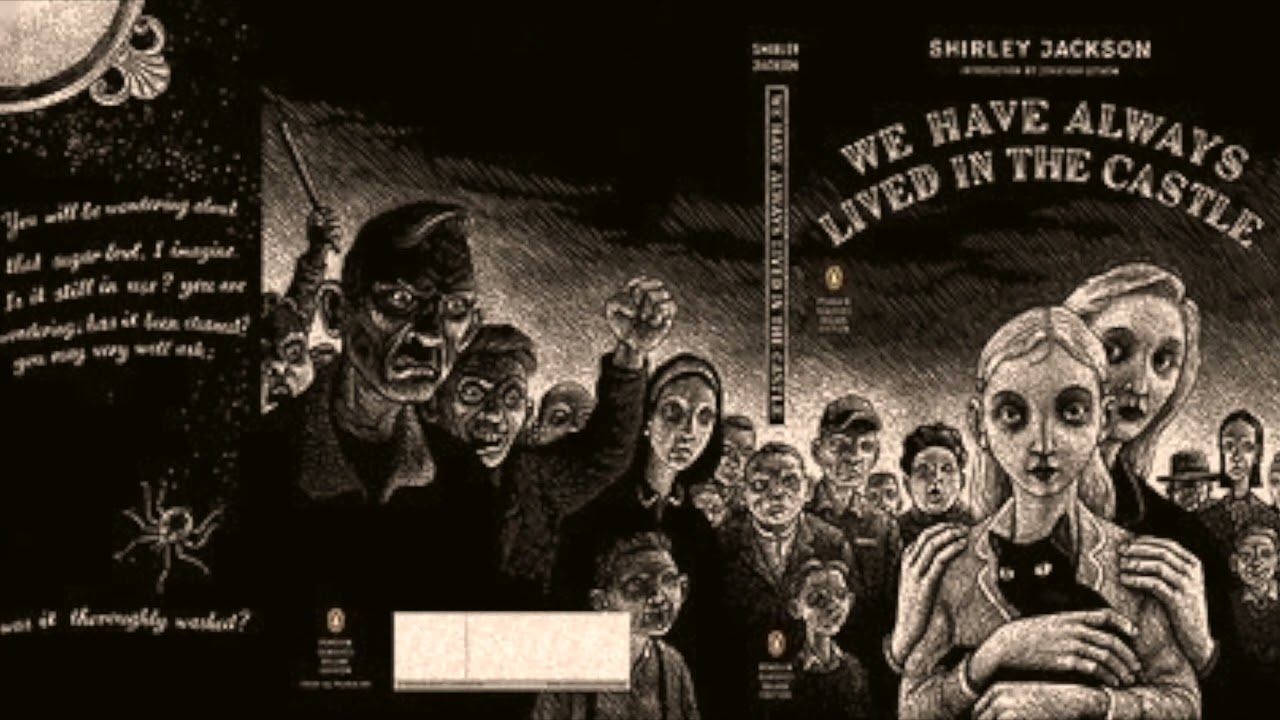
We Have Always Lived In The Castle, Chapters 1 and 2 by Shirley Jackson read by A Poetry Channel
We Have Always Lived in the Castle - Introduction
Mary Katherine Blackwood's Perspective
- The narrator, Mary Katherine Blackwood, introduces herself as an 18-year-old living with her sister Constance. She expresses a whimsical desire to have been born a werewolf due to her unique physical traits.
- Mary reveals her aversions: she dislikes washing, dogs, and noise but has a fondness for her sister and certain mushrooms, indicating a preference for solitude and specific interests.
- The Blackwood family is depicted as static and unchanging; they maintain their possessions meticulously without restlessness or disruption.
Family Dynamics and Home Life
- The family's home is described as orderly, with each item having its designated place. This reflects their values of stability and tradition within the household.
- Mary discusses the routine of going into the village on Fridays and Tuesdays for groceries and library books, highlighting her role in maintaining their isolated lifestyle.
Village Interactions
Social Engagement
- Mary's trips to the village are driven by necessity rather than pride; she feels compelled to engage with society despite her discomfort.
- A conversation with Stella at the café illustrates Mary's social anxiety; she feels pressure to appear unafraid while navigating public interactions.
Reading Preferences
- The Blackwoods possess many books at home, yet Mary prefers fairy tales while Constance enjoys cookbooks. Uncle Julian appreciates seeing Constance read but does not engage with literature himself.
Reflections on the Village
Observations of Nature
- On a fine April morning after visiting the library, Mary admires nature's beauty but wishes for an escape from walking through the village.
Perception of Community
- Mary describes how men in the village remain youthful while women age prematurely, suggesting societal roles that contribute to this dynamic.
The Rochester House
Nostalgia and Memory
- Mary reflects on the Rochester house where her mother was born. Despite its dilapidated state now, it holds sentimental value as part of her family's history.
Class Distinctions
- There’s a contrast between new affluent families outside the village and those who live within it. This highlights class disparities affecting community dynamics.
Village Dynamics and Social Structures
The Carringtons and Blackwoods: A Tale of Two Families
- Helen Clark's routine at Elbert's grocery highlights the social interactions in the village, where greetings reflect a sense of community despite underlying tensions.
- The Carrington family owns the paper mill, while the Blackwoods control significant land, indicating economic disparities that shape village dynamics.
- Town meetings are attended by prominent families like the Clarks and Carringtons, yet they often face opposition from villagers during votes on local issues.
Village Infrastructure and Community Sentiment
- Blackwood Road encircles their land, symbolizing both physical and social boundaries within the village.
- The narrator reflects on feelings of alienation as they navigate through town, likening their experience to a game with risks and rewards tied to social acceptance.
Perceptions of Beauty and Ugliness in the Village
- The narrator describes a hopeful start to their day but acknowledges that such optimism is rare; gratitude is expressed through offerings when good days occur.
- Observations about Old Miss Dutton reveal how villagers scrutinize each other from behind closed doors, emphasizing isolation within community life.
Class Distinctions and Daily Life
- The Harler family's chaotic lifestyle contrasts sharply with the more refined existence of families like the Blackwoods, highlighting class differences in living conditions.
- Descriptions of noise pollution from the Harler household suggest a lack of respect for communal space, further isolating them from others.
Navigating Social Spaces: Risks and Vulnerabilities
- Crossing Main Street becomes a metaphor for vulnerability; hesitation reflects deeper fears about judgment from fellow villagers.
- Local drivers' indifference symbolizes broader societal neglect towards those who do not conform to community norms or expectations.
Reflections on Village Aesthetics
- The narrator imagines potential scenarios where stepping into traffic could provoke laughter rather than concern—illustrating harsh realities faced by outsiders in this tight-knit society.
- An exploration of how ugliness permeates village life suggests that its inhabitants may thrive on negativity rather than beauty or grace.
Shopping in a Hostile Environment
The Atmosphere of Fear and Resentment
- The narrator associates the village with "burning black painful rot," indicating deep-seated animosity towards the villagers, wishing harm upon them.
- There is a sense of isolation as the narrator feels that their family’s wealth is resented by the villagers, who are perceived as coveting their hidden riches.
- The act of shopping becomes a source of anxiety; the narrator fears interactions with children and mothers in the grocery store, imagining them as predatory birds.
Grocery Shopping Experience
- Upon entering the grocery store, there is an immediate tension; Mr. Elbert serves the narrator promptly to avoid conflict, highlighting social dynamics at play.
- The presence of other women in the store creates an uncomfortable atmosphere where they watch intently, reinforcing feelings of being an outsider.
- Specific items requested during shopping (like chicken and lamb) elicit gasps from onlookers, showcasing how even mundane actions can provoke strong reactions from villagers.
Internal Conflict and Hatred
- The narrator expresses a desire for revenge against those who look down on them; thoughts about harming others arise but remain unvoiced due to societal norms.
- Despite advice from Constance to not show care or concern for others' opinions, deep-seated hatred persists within the narrator towards villagers and their judgmental attitudes.
- A reflection on why such negative feelings exist leads to questioning the value of creating relationships with those who harbor resentment.
Conclusion of Shopping Trip
The Blackwood Girls' Isolation and Perception
The Setting and Atmosphere
- The narrator reflects on the relief of the Alberts, indicating a tense relationship with the villagers. She describes her surroundings while walking, focusing on her mother's shoes.
- Imagery of a lunch setting is presented, highlighting yellow dishes and strawberries, which contrasts with the darker undertones of her thoughts about how she feels observed by men.
- The narrator expresses disdain for the villagers who mockingly refer to her as "one of the Blackwood girls," revealing their contempt and alienation from society.
Villagers' Attitudes Towards the Blackwoods
- Conversations among villagers reflect their negative perceptions of the Blackwood family, suggesting that they believe wealth could be gained from their land if it were not so isolated.
- The narrator recalls a past incident where she dropped groceries, symbolizing vulnerability in front of an unkind community. This moment emphasizes her determination not to show fear or weakness.
Memories and Historical Context
- The narrator reminisces about childhood landmarks like cracks in sidewalks that symbolize permanence amidst change. These memories connect her to both personal history and community perception.
- A reflection on how long-standing elements in the village have remained unchanged since her mother’s youth suggests a deep-rooted sense of tradition intertwined with hostility towards outsiders.
Interaction with Stella
- Stella's store serves as a nostalgic point for the narrator; it represents one of the few connections to kindness within an otherwise hostile environment.
- Despite feeling animosity towards most villagers, she considers sparing Stella due to her warmth and colorfulness compared to others’ dullness.
Confrontation with Jim Donal
- An encounter with Jim Donal marks a shift in tone; he embodies direct hostility rather than passive disdain typical among other villagers. His approach signifies bad luck for the narrator.
- Jim's inquiry about moving away reveals underlying tensions; his deliberate closeness indicates an intention to provoke discomfort for the narrator during this interaction.
Discussion on Gossip and Family Dynamics
The Impact of Gossip in the Community
- The narrator reflects on a personal rule to be kinder to Uncle Julian, amidst town gossip about his health and impending death.
- Stella emphasizes Uncle Julian's deteriorating condition, highlighting the emotional weight of family dynamics as they plan a picnic for him.
- Jim Donal expresses concern over rumors that Mary Catherine Blackwood and her sister are moving away, showcasing how gossip affects perceptions of stability within families.
Interactions Among Townsfolk
- Jim Donal continues discussing the potential loss of the Blackwood family, indicating a sense of community attachment to longstanding families.
- Dunham enters the conversation, illustrating how townspeople react to gossip and their interpretations of its implications for community identity.
- Jim Donal humorously remarks on how losing old families diminishes village charm, revealing societal values placed on heritage.
Personal Reflections Amidst Community Conversations
- The narrator contemplates their own thoughts while observing Jim Donal's repetitive storytelling style, suggesting a desire for deeper engagement rather than superficial chatter.
- A whimsical daydream emerges where the narrator imagines living alone on the moon, symbolizing an escape from social pressures and expectations.
Tensions Between Characters
- Stella confronts Jim Donal about his comments regarding dinner invitations from the Blackwoods, indicating underlying tensions in social interactions.
- Dunham shares his experience with unpaid work for the Blackwoods, reflecting frustrations that can arise in community relationships.
Conclusion: Navigating Social Spaces
- The conversation shifts back to light-hearted banter about helping Mary Catherine pack if she moves away, blending humor with genuine concern for familial ties.
- As Mary Catherine is urged to leave by her peers, it highlights both camaraderie and pressure within small-town life.
Water, Sewage, and Childhood Conflicts
The Setting and Initial Conflict
- The narrator reflects on the town's regulations regarding water, sewage, and garbage disposal while feeling a sense of detachment from local children who engage in quarrels.
- Observing the Harris boys fighting with others, the narrator contemplates alternative routes home but feels compelled to continue despite discomfort.
Inner Thoughts and Desires
- The narrator imagines a fantastical world where they could catch "Scarlet fish" on the moon, contrasting this with their current reality filled with disdain for the local boys.
- A dialogue unfolds between Mary Cat and Connie about mundane topics like tea, highlighting the innocence of childhood amidst underlying tensions.
Isolation and Reflection
- The narrator describes an internal struggle as they walk past the fence separating them from other children, wishing harm upon them while feeling hidden within themselves.
- An encounter with one of the boys' mothers reveals her indifference to her children's behavior; she fails to acknowledge or intervene in their taunting.
Escaping Reality
- The mother's lack of engagement prompts introspection from the narrator about joy and connection—wondering if she has ever experienced true delight or love.
- As taunts continue from behind, there is a vivid imagery of pain associated with their words; it emphasizes how deeply affected the narrator feels by their actions.
The Path Home: Boundaries and Isolation
Physical Barriers Established
- Upon reaching Black Rock, the narrator must unlock a gate marked "private," symbolizing both physical and emotional barriers erected by their father.
- The father's decision to close off paths previously used by villagers illustrates a desire for privacy that contrasts sharply with community interaction.
Family Dynamics and Control
- The mother’s aversion to visitors reinforces themes of isolation; her preference for exclusivity shapes family dynamics around social interactions.
- Reflections on childhood fantasies reveal how these boundaries have influenced perceptions of self-worth versus societal acceptance.
Nature vs. Human Constructs
- The description of overgrown land suggests neglect yet also hints at freedom found in nature compared to rigid human-imposed structures.
A Glimpse into Constance's World
The Connection with Nature and Each Other
- The narrator reflects on their relationship with Constance, noting her presence in the garden and the comfort it brings. The imagery of nature symbolizes a refuge for both characters.
- A playful interaction occurs as Constance greets the narrator, highlighting their close bond. The teasing nature of their conversation reveals familiarity and affection.
- Nostalgia surfaces as the narrator recalls childhood memories of Constance, depicting her as a fairy princess. This idealization emphasizes her importance in the narrator's life.
- The description of Constance’s enduring beauty reinforces her role as a cherished figure. Her vibrant appearance contrasts with the darker undertones of their secluded life.
- Daily routines are established, showcasing how they live primarily in the back of the house, away from societal interactions, which signifies their isolation yet contentment in each other's company.
Life Inside and Outside Their Home
- The layout of their home is described, emphasizing its unwelcoming front while revealing a warm and nurturing environment at the back where they spend most time together.
- Uncle Julian is introduced as part of their household dynamics. His presence adds complexity to their lives, hinting at underlying family issues that affect them all.
- Food holds significant value for Constance; she treats it with care and respect. This ritualistic approach to food preparation highlights themes of sustenance and domesticity within their isolated world.
- Conversations about meals reveal character traits: Constance’s nurturing side versus Uncle Julian’s more detached demeanor. It illustrates how food serves as a connection point among them.
- An unsettling mention arises when Constance hints at leaving someday, creating tension in an otherwise serene atmosphere. This foreshadows potential changes or disruptions in their lives.
Social Interactions and Isolation
- Uncle Julian's concerns about mundane details reflect his detachment from reality while also hinting at deeper familial tensions regarding past events involving their father.
- Despite living in seclusion, they maintain some social connections through visits from acquaintances like Helen Clark. These interactions are polite but lack genuine engagement or reciprocity.
- Visitors bring gifts but do not penetrate beyond superficial pleasantries; this dynamic underscores themes of isolation despite physical proximity to society.
- Mr. and Mrs. Carrington's visits highlight past friendships but also reinforce current estrangement from community ties—indicating a shift from once being socially active to now being reclusive.
This structured overview captures key moments from the transcript while providing insights into character relationships, themes of isolation versus connection, and daily life dynamics within this unique setting.
Conversation and Reflections on the Past
Family Dynamics and Social Interactions
- The characters engage in a conversation about their well-being, with Constance often inviting guests into their home, reflecting a sense of hospitality despite underlying tensions.
- A playful exchange occurs regarding the possibility of receiving a horse from the Carringtons, highlighting themes of desire and childhood imagination contrasted with familial expectations.
- The narrative shifts to a quarrel between Uncle Julian and Constance, suggesting deeper issues related to family finances or responsibilities that are not explicitly stated.
- Constance expresses nostalgia for the past, indicating her longing for family unity and simpler times when she believed she would grow up to reach the heights of their home’s windows.
- The description of their house emphasizes its intended seasonal use as a summer residence, hinting at themes of loss and adaptation as they navigate life in an unsuitable environment.
Memories and Domestic Life
- The drawing room is depicted as beautiful yet underutilized by Constance and the narrator, symbolizing both cherished memories and current isolation.
- Details about maintaining the drawing room reflect care for family heritage while also showcasing how domestic spaces hold emotional significance tied to their mother’s memory.
- The meticulous cleaning rituals performed by Constance and the narrator illustrate their dedication to preserving family traditions amidst changing circumstances.
- Tea time becomes a focal point for social interaction; however, it also reveals personal discomfort for the narrator when being observed while eating.
- Anticipation builds around Helen Clark's visit; this moment underscores tension regarding social interactions outside their immediate family circle.
Unexpected Guests
- As Helen Clark arrives with an unexpected guest, Lucille, anxiety surfaces within the narrator about social boundaries being crossed without prior notice.
- Constance reassures her sibling about handling new visitors despite initial fears; this reflects her strength in facing social challenges head-on.
- The arrival of Mrs. Wright adds complexity to the situation; her previous fear indicates societal pressures surrounding mental health perceptions during visits.
- Helen Clark's casual demeanor contrasts sharply with the narrator's apprehension towards uninvited guests, emphasizing differing perspectives on social norms.
A Social Gathering: Tensions and Dynamics
Arrival and Initial Interactions
- Helen Clark arrives with Mrs. Wright, emphasizing the pleasant day by not wearing coats. She instructs to inform Constance of their arrival, showcasing her thoughtfulness.
- Constance greets them with a weak smile, indicating her nervousness. Helen Clark engages in storytelling about the staircase's history, revealing her tendency to dominate conversations.
- The dynamics shift as Helen jostles Mrs. Wright into an uncomfortable chair, illustrating her clumsiness and lack of social grace during interactions.
Conversation Flow and Underlying Tensions
- Helen Clark compliments Constance on her well-being and gardening efforts, but her rapid speech hints at underlying anxiety or pressure within the gathering.
- A discussion about Julian Blackwood arises; Mrs. Wright expresses interest in meeting him while Helen labels him eccentric, which contrasts sharply with her own behavior.
- The narrator reflects on the irony of labeling others as eccentric when Helen’s actions are more so than Uncle Julian’s structured life.
Advice and Emotional Strain
- Helen offers unsolicited advice to Constance about re-entering society, suggesting she deserves happiness after a period of isolation—this moment heightens tension for the narrator who fears for Constance's reaction.
- Despite initial resistance from Constance, she listens attentively to Helen's encouragement about embracing life again—a significant shift in her demeanor is noted by the narrator.
Internal Conflict and Reactions
- The narrator feels overwhelmed by the conversation's direction; they sense that this is a pivotal moment for Constance that could lead to change or further withdrawal.
- As emotions escalate within the narrator, they leave abruptly to gather themselves but feel compelled to return quickly due to concern for Constance’s well-being amidst these discussions.
Climax of Interaction
- In a moment of frustration, the narrator breaks a milk pitcher deliberately as an act of rebellion against the situation unfolding in front of them—symbolizing their internal turmoil regarding family dynamics.
Social Dynamics and Tensions in a Family Gathering
Mrs. Wright's Appearance and Politeness
- The narrator observes Mrs. Wright dressed in a plain black dress, suggesting she may have chosen this attire for the occasion, indicating her awareness of social norms.
- Despite the politeness displayed by Mrs. Wright when declining food, there is an underlying tension as the narrator feels compelled to serve her rum cakes instead of sandwiches.
- The narrator perceives Mrs. Wright's excessive politeness as almost hysterical, contrasting it with Helen Clark’s more casual demeanor during the gathering.
Social Interactions and Invitations
- Helen Clark suggests inviting old friends over for dinner, which prompts internal conflict within Constance about socializing with others.
- The conversation shifts to whether they should invite people from the village; the narrator expresses skepticism about their acceptance due to past gossip.
- Uncle Julian enters the discussion, questioning why anyone would be afraid to visit them despite Constance's past legal troubles.
Gossip and Reputation
- The narrator argues that much of the negative sentiment towards their family is exaggerated and rooted in imagination rather than reality.
- Mrs. Wright reassures everyone that she has claimed friendship with the Blackwoods without shame, highlighting her desire for social acceptance despite societal judgment.
Uncle Julian's Perspective on Danger
- Uncle Julian humorously addresses fears surrounding visiting their home, referencing his niece’s acquittal from murder charges as evidence of safety.
- He discusses potential dangers in everyday life while emphasizing that fear should not deter social interactions.
Discussion of Past Events
- A shift occurs as Uncle Julian brings up a mysterious case related to Constance’s past; this piques interest among those present.
- As discussions deepen around taste and danger associated with certain plants, Mrs. Wright becomes visibly engaged but also nervous about revisiting painful memories.
- There is a moment of shared silence as they reflect on past events; both Constance and the narrator feel a mix of curiosity and apprehension regarding what will be revealed next.
Family Dynamics and Tragedy
Dinner Conversation and Tensions
- The scene opens with a family dinner where Uncle Julian makes light-hearted comments, unaware that it may be their last gathering together.
- A discussion about sugar leads to deeper themes of innocence and oblivion, hinting at the tragic events that have unfolded in the family's history.
- Helen Clark expresses outrage over the past events, urging Constance to focus on the future rather than dwelling on painful memories.
Reflections on Loss
- Constance reflects on her status as a survivor of a notorious poisoning case, indicating her complex feelings about loss and survival amidst tragedy.
- Uncle Julian confirms the reality of their situation by referencing newspaper clippings and notes he has kept, emphasizing the weight of their shared history.
The Trial's Impact
- Uncle Julian reveals his desire to testify during the trial but was unable due to health issues; this highlights his frustration and sense of helplessness regarding justice.
- Helen Clark dismisses public interest in the case, suggesting that society has moved on while still grappling with unresolved emotions tied to the tragedy.
The Dining Room as a Symbol
- Uncle Julian invites Mrs. Wright to view the dining room where significant events occurred, framing it as both a site of memory and ongoing family tradition despite its dark past.
- He describes their once large family dynamic, contrasting it with their current state—underscoring themes of nostalgia and loss.
Family Relationships Explored
- Discussion shifts towards familial roles; Uncle Julian recalls how his brother presided over family gatherings, hinting at underlying tensions within those relationships.
- Helen Clark’s anger towards Constance suggests unresolved conflicts related to familial expectations and perceptions surrounding Mrs. Wright's character.
Personal Memories Intertwined with Grief
- Uncle Julian reminisces about his late wife Dorothy and other family members who are no longer present, illustrating how personal grief is intertwined with collective family trauma.
Childhood Disobedience and Family Dynamics
The Nature of Punishment and Love
- Helen Clark emphasizes that while a child should face consequences for wrongdoing, it is crucial they still feel loved.
- The speaker reflects on their own childhood experiences, recalling how they would sneak food to a disobedient cousin named Mary.
Memorable Meals and Nostalgia
- A vivid description of a favorite meal featuring spring lamb with mint jelly, potatoes, peas, and salad from Constance's garden highlights the importance of family meals in memory.
- The speaker notes the significance of the summer weather during this time, suggesting nostalgia may be influenced by age.
The Dangers of Domestic Cooking
Poisonous Ingredients
- Discussion arises about various poisonous plants and substances that could have been used in cooking, including hemlock and deadly nightshade. The speaker lists these dangers to illustrate potential threats in domestic settings.
- Mrs. Wright expresses concern over Constance's cooking abilities given her knowledge of toxic ingredients; she argues that someone with such knowledge should not be allowed to cook for others.
Legal Implications
- Despite concerns about poisoning intentions, Constance was acquitted at trial due to lack of evidence proving intent to harm. This raises questions about accountability in domestic spaces where danger lurks unnoticed.
Family Heirlooms and Their Significance
The Sugar Bowl Incident
- A family heirloom sugar bowl becomes a focal point when discussing its cleanliness after an incident involving a spider; this act raises suspicions regarding Constance’s actions post-dinner preparation.
- Mrs. Wright critiques Constance's reasoning for washing the sugar bowl as inadequate; she suggests there might have been better explanations for such behavior amidst the chaos following dinner guests falling ill.
Reflections on Illness and Responsibility
Personal Experience with Arsenic
- The speaker shares their painful experience after consuming arsenic-laced food, emphasizing sympathy towards those affected but also hinting at deeper familial issues surrounding responsibility for health and safety within the home environment.
Community Curiosity
Discussion on Blame and Guilt
Misunderstandings and Accusations
- The speaker reflects on a remark that may have been misconstrued, emphasizing that their niece is not hard-hearted. They suggest that everyone deserves to die, questioning the niece's role in pointing this out.
- The niece took full blame for an incident, believing her cooking was responsible. The speaker expresses concern over her eagerness to accept blame, hinting at self-pity rather than true guilt.
Character Insights
- A character named Mr. Blackwood discusses the charming nature of Constance while grappling with the idea of her being a "homicidal maniac." This juxtaposition raises questions about appearances versus reality.
- Helen Clark expresses frustration over overstaying their visit, indicating social norms around decency and time management during gatherings.
Emotional Reactions
- Mrs. Wright appears distraught as she leaves, highlighting the emotional weight of the conversation. Her quick departure suggests discomfort or fear regarding the discussions held.
- The narrator finds humor in Mrs. Wright's reaction as they return to a more relaxed atmosphere after her exit.
Tea Party Dynamics
Social Interactions
- Constance critiques Mrs. Wright’s pretentiousness while acknowledging her own enjoyment of tea parties despite their awkwardness.
- Uncle Julian praises Constance for her storytelling ability during tea, reinforcing familial bonds and shared experiences.
Domestic Responsibilities
- After the gathering, Constance prepares for dinner by cleaning up, showcasing traditional gender roles within domestic settings.