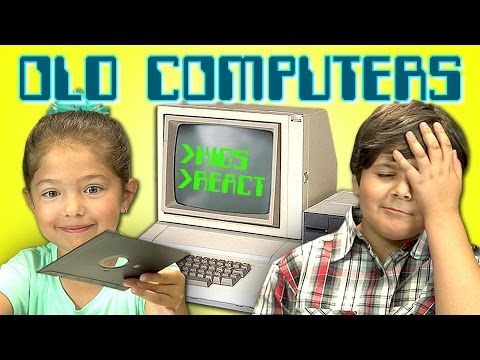
KIDS REACT TO OLD COMPUTERS
Kids React to Old Computers
Initial Impressions of the Computer
- The kids react to an old computer from the late 1970s or early 80s, noting its large size and boxy design reminiscent of old televisions.
- They struggle to turn it on, discovering that the power switch is located at the back, highlighting their unfamiliarity with older technology.
- The children express frustration over the lack of immediate functionality; they must hit a reset button before using it.
Understanding Functionality and Limitations
- Kids learn that computers of this era could only perform limited tasks like basic math and document typing, contrasting sharply with modern capabilities.
- They find it mind-blowing that such a machine was once considered cutting-edge technology but now seems almost worthless compared to today’s devices.
Interaction with Commands
- The children discover they need to type commands (like "print") for the computer to execute tasks, which confuses them as they expect more intuitive interactions.
- They encounter external storage devices like floppy disks, learning about their role in data storage and program installation.
Challenges with Floppy Disks
- The kids attempt to use a floppy disk but face challenges inserting it correctly into the computer, showcasing their lack of experience with such hardware.
- After successfully loading a game from the floppy disk, they express disappointment in its graphics and overall quality compared to modern games.
Reflection on Technology Evolution
- A discussion arises about processors; kids learn that many old computers would be needed to match the power of a single modern smartphone.
- Ultimately, while some find nostalgia in the old computer's design, most agree that they prefer current technology due to its efficiency and capabilities.