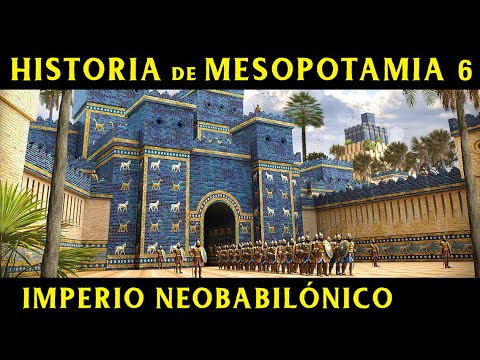
MESOPOTAMIA 6: La Neobabilonia de Nabucodonosor II (Documental Historia)
Chaldean Babylon: A Historical Overview
The Rise of Chaldean Babylon
- Chaldean Babylon marks the final period in the history of this region, becoming a mythical place for figures like Herodotus and Alexander the Great.
- The Chaldeans, a nomadic Semitic family from the Arameans, settled in southern Sumer around 1000 BC and established several small principalities.
- The Chaldean language was prevalent until the simpler Aramaic alphabet began to dominate, influencing languages such as Hebrew and Arabic.
Political Dynamics and Key Figures
- Nabopolassar emerged as the first Chaldean king of Babylon after allying with Elam and Cyaxares of Media to overthrow Assyria in 609 BC.
- Nebuchadnezzar II succeeded Nabopolassar, known for his significant contributions to Babylon's architecture and military successes against Egypt.
Society and Culture Under Nebuchadnezzar II
- Nebuchadnezzar II is recognized as a great builder; he transformed Babylon into one of the most impressive cities of the ancient world.
- Notable constructions included the Ishtar Gate adorned with glazed bricks depicting bulls, lions, and dragons (mušḫuššu), along with the ziggurat Etemenanki dedicated to Marduk.
Religious Practices and Festivals
- The temple Esagila served as a central religious site where annual New Year's celebrations (Akitu) took place, featuring processions carrying Marduk's statue.
- The Hanging Gardens of Babylon are attributed to Nebuchadnezzar II but remain shrouded in mystery regarding their actual existence or location.
Conflict and Exile
- Tensions arose with neighboring kingdoms leading to Jerusalem's capture by Babylonians in 597 BC under Zedekiah’s governance.
- Following Zedekiah's rebellion against Babylonian rule, he faced dire consequences as foretold by prophet Jeremiah; this led to what is known as the Babylonian exile.
Cultural Impact on Jewish Tradition
- During their captivity in Babylon, Jews referred to it derogatorily due to its perceived moral decay; it became a backdrop for significant biblical writings.
- The ziggurat Etemenanki inspired stories like that of Babel among exiled Jews who sought to preserve their cultural identity amidst foreign influence.
Decline of Chaldean Power
The Fall of Babylon and the Rise of Cyrus the Great
Nabónido's Reign and Challenges
- Nabónido, described as indulgent, preferred a life of leisure in Teyma over addressing his responsibilities, allowing his son Baltasar to lead in war.
- His reign faced significant challenges due to religious reforms that conflicted with popular beliefs, leading to societal division and unrest within Babylon.
- Terrified by the rapid expansion of the Achaemenid Persian Empire, Nabónido sought advice from Croesus, King of Lydia. They decided on a preemptive attack which ultimately failed.
The Conquest of Babylon
- In 539 BC, Cyrus the Great conquered Babylon but was noted for his benevolence towards conquered peoples. He pardoned enemy kings and restored temples.