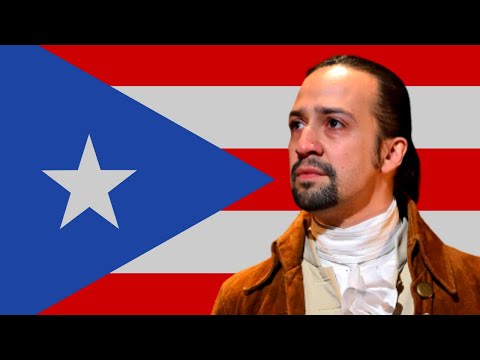
PORTO RICO I QUE PAÍS É ESSE? #03
Introduction to Puerto Rico
This section provides an introduction to Puerto Rico, highlighting its cultural influence in pop culture and its status as an unincorporated territory of the United States.
Background of Puerto Rico
- Puerto Rico is a territory of the United States, known for its rich history, tropical climate, diverse landscapes, and traditional cuisine.
- The official languages of Puerto Rico are Spanish, English, and reggaeton.
- Despite being a territory of the United States, Puerto Rico has a significant amount of debt.
Historical Colonization
- Puerto Rico was initially colonized by the Spanish crown in 1493 after Christopher Columbus claimed the island for the Crown of Castile.
- Before the arrival of Europeans, Puerto Rico was inhabited by indigenous Taíno people who lived off hunting, fishing, and agriculture.
- The arrival of Europeans led to drastic changes in Taíno culture, including forced labor and the importation of enslaved Africans.
Importance and Trade
- The port of San Juan played a crucial role in trade between Puerto Rico and Spain during the 17th and 18th centuries. Sugar cane became a significant export commodity.
- Due to its location and wealth, other nations coveted Puerto Rico. Spain invested in fortifications like El Morro to defend the island.
Movements for Independence
- In the late 19th century, there were several movements for independence from both Puerto Ricans and Cubans.
- Influenced by revolutions such as the American Revolution and French Revolution, these movements sought political emancipation from colonial rule.
American Intervention
This section discusses how American intervention shaped Puerto Rican history through events like the Spanish-American War.
Spanish-American War
- The Spanish-American War broke out at the end of the 19th century, with the United States intervening to expand its territory.
- The United States presented itself as assisting colonies like Cuba and Puerto Rico in achieving independence from Spain.
Treaty of Paris
- As a result of the Spanish-American War, the Treaty of Paris was signed in 1898. Puerto Rico became a bargaining chip for the United States.
- Under the treaty, Spain relinquished sovereignty and property rights over Cuba and ceded Puerto Rico to the United States.
Transition to American Rule
- When American troops arrived in Puerto Rico, they were initially welcomed by the population who hoped for justice and freedom after centuries of Spanish rule.
- However, instead of granting immediate independence, the United States established a military government that lasted for two years.
Governmental Changes
- In 1902, a civil government was established in Puerto Rico under U.S. control. The island had a presidential and parliamentary system but remained subject to federal authority.
- In 1917, the Jones Act granted U.S. citizenship to all Puerto Ricans and introduced separation of powers and a bill of rights.
Challenges under American Rule
This section explores some challenges faced by Puerto Rico under American rule, highlighting discrepancies between promises made and reality.
Disappointment with American Rule
- Despite initial hopes for justice and freedom, many Puerto Ricans were disappointed with how American rule unfolded on the island.
- The establishment of a military government followed by continued control by the United States led to disillusionment among the population.
Limited Autonomy
- While Puerto Rico had its own civil government, ultimate decision-making power still rested with the United States.
- The relationship between Puerto Rico and the United States was characterized by asymmetry in terms of political power.
Conclusion
In summary, this transcript provides an introduction to Puerto Rico's history, colonization, and the impact of American intervention. It highlights the challenges faced by Puerto Rico under American rule and the discrepancies between promises made and reality.
The Approval of Law 600 and the Political Status of Puerto Rico
This section discusses the approval of Law 600 through a referendum in Puerto Rico, which determined its ports and allowed for the creation of its own constitution. As a result, Puerto Rico's political status changed from being a colony to becoming a Free Associated State.
- Law 600 was approved through a referendum by the people of Puerto Rico.
- The purpose of Law 600 was to determine Puerto Rico's ports and allow for the elaboration of its own constitution.
- The approval of Law 600 changed Puerto Rico's political status from being a colony to becoming a Free Associated State.
Economic Transition and Migration in Puerto Rico
This section explores the economic transition in Puerto Rico from an agrarian economy under Spanish sovereignty to an industrial manufacturing economy influenced by the United States. It also discusses the significant migration of people from rural areas to cities within Puerto Rico, as well as migration from the island to the United States.
- Under U.S. influence, Puerto Rico transitioned from an agrarian economy to an industrial manufacturing economy.
- This economic transition led to periods of migration, both from rural areas to cities within Puerto Rico and from the island to the United States.
- Many Porto Ricans migrated to the United States due to their American citizenship, which granted them access to better opportunities.
- However, despite having American citizenship, Porto Ricans often faced discrimination and were considered second-class citizens.
Prejudice Against Latinos in America
This section highlights that despite living in cosmopolitan cities with diverse communities, Latino populations still face prejudice and discrimination on American soil. It references examples such as the portrayal of Porto Ricans as cheap labor and the general perception of Latinos as second-class citizens.
- Despite the cosmopolitan nature of the United States, Latino populations, including Porto Ricans, still face prejudice and discrimination.
- The portrayal of Porto Ricans as cheap labor in the United States was seen favorably by Americans after World War II.
- Many Latino communities, including Brazilian and Mexican communities, exist in the United States. However, they still experience discrimination.
- The movie "Sublime Amor" portrays this issue well, highlighting that despite diversity in American society, prejudice against Latinos persists.
Political Parties and Status Debate in Puerto Rico
This section discusses the political parties in Puerto Rico and their stances on the island's status. It mentions three main parties: Popular Democratic Party (supports Free Associated State status), New Progressive Party (advocates for integration with the United States), and Independentistas (support independence). It also notes that while Puerto Ricans on the island do not have voting rights in U.S. presidential elections, those residing in the United States do.
- The political landscape of Puerto Rico is represented by three main parties: Popular Democratic Party (supports Free Associated State status), New Progressive Party (advocates for integration with the United States), and Independentistas (support independence).
- Currently, Puerto Rico is governed by Vanda Vasques from the New Progressive Party.
- The President of the United States serves as the head of state for Puerto Rico. At present, Donald Trump holds this position.
- While Puerto Ricans on the island do not have voting rights in U.S. presidential elections, those residing in the United States can participate.
Independence, Citizenship, and Identity Debate
This section focuses on debates surrounding independence, citizenship, and identity in Puerto Rico. It mentions a 2012 referendum where the majority disagreed with the current territorial status and preferred Puerto Rico becoming a U.S. state. The section concludes by stating that the future of the island remains uncertain.
- Debates about independence, citizenship, and identity are prominent in discussions about Puerto Rico.
- A 2012 referendum showed that a majority (54%) disagreed with the current territorial status and favored Puerto Rico becoming a U.S. state.
- The future of Puerto Rico remains uncertain, and it is unclear what will happen to the island's political status.
Conclusion
This section concludes the video and provides additional resources for those interested in learning more about Puerto Rico.
- The video concludes, inviting viewers to explore further information about Puerto Rico through provided article links.
- Viewers are encouraged to delve deeper into the rich history of Puerto Rico.
Timestamps have been associated with relevant sections as accurately as possible based on the given transcript.