Apocalipsis - La Primera Guerra Mundial - Episodio 3 Infierno
The Harsh Realities of World War I Trenches
The Suffering of Soldiers
- In 1915, the emotional toll on soldiers is highlighted; families await news from loved ones at the front, with one soldier not having written since April.
- The narrative reveals the brutality faced by British troops, emphasizing their struggle for survival amidst relentless violence.
Life in the Trenches
- Soldiers are forced to live in dire conditions, likened to "rats among rats," as they endure constant attacks without any side gaining ground.
- The description of artillery and shrapnel illustrates the chaos and horror of trench warfare, where soldiers face life-threatening injuries from explosive projectiles.
Medical Challenges and Trauma
- Medical personnel confront unprecedented injuries and psychological trauma caused by bombings, leading to panic attacks and paralysis among soldiers.
- By September 1915, various fronts see intense fighting between multiple nations, with a focus on maintaining positions across extensive battle lines.
Innovations in Warfare Equipment
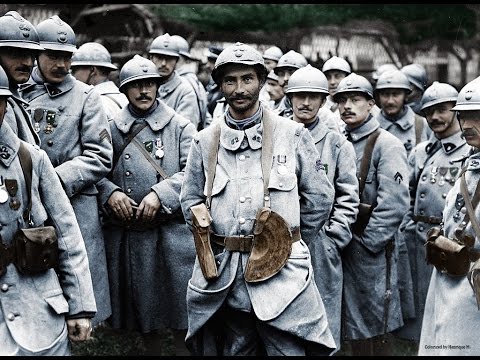
- French factories employ women to produce millions of helmets designed for better protection against enemy fire.
- British troops adopt metal helmets similar to those used by French forces but find them cumbersome compared to German designs that offer superior coverage.
The Evolution of Gas Warfare
- As trench warfare escalates, gas masks become essential for protection against chemical weapons like chlorine and mustard gas.
- Despite international prohibitions on poisonous gases since 1899, both sides resort to using them extensively during battles.
Protective Measures Against Chemical Attacks
- The French army attempts various protective measures against gas attacks but finds initial solutions ineffective; improvements lead to more advanced masks being developed.
- Both armies experience fear regarding gas attacks; soldiers develop heightened senses akin to hunting dogs as they try to detect incoming threats.
Living Conditions and Class Divisions
- German troops enjoy better living conditions than civilians back home due to requisitioning abandoned resources from fleeing farmers.
- A stark class divide emerges within military ranks; while some officers reside comfortably away from combat zones, common soldiers endure harsh realities in trenches.
Life in the Trenches: The Harsh Reality of Soldiers
Daily Life and Conditions
- Soldiers endure a grim existence, waiting in barracks where they engage in mundane activities like playing cards and writing letters, all while living under unbearable conditions marked by filth and discomfort.
- At night, soldiers descend into underground shelters to escape the dangers above. One soldier even constructs a cage to protect himself from rats that have become a significant threat.
- Rats are not only a nuisance but also carriers of fleas; lice infestations plague the trenches, exacerbating the already dire hygiene conditions faced by frontline soldiers.
The Psychological Toll of War
- Despite their unsanitary living conditions, soldiers fear leaving their shelters due to the terror of combat. They must endure at least a week on the front lines before being relieved by support troops.
- Letters from prisoners reveal shared feelings of misery and despair among soldiers on both sides, highlighting the universal suffering experienced during war.
The Role of Reserve Lines
- The reserve line offers French soldiers an opportunity to wash up and regain some semblance of humanity amidst chaos. However, they are often described as "beasts" due to their dehumanizing experiences.
- A soldier's desperate attempts to find warmth reflect the harsh realities faced by troops; he resorts to burning his own prayer book for heat as supplies dwindle.
Strategic Military Meetings
- On December 6, 1915, military leaders from France, Britain, Belgium, Russia, and Italy convene near Paris to improve coordination among their forces for a combined offensive planned for summer 1916.
- This meeting aims to consolidate efforts against German forces along key positions near the Somme River while acknowledging that German plans for an offensive at Verdun may complicate these strategies.
Prelude to Battle: Verdun
- As early as February 1916, Germans begin amassing troops and artillery around Verdun with hopes of launching a decisive battle aimed at capturing this strategic location.
- The German High Command prepares for an assault led by Crown Prince Wilhelm with over 150,000 men aiming to break through French defenses or inflict heavy casualties if attacked first.
The Onset of Conflict
- On February 21, 1916, at 7:15 AM, Operation Gericht is launched with over one million shells fired upon French positions—a prelude that sets off intense fighting around Verdun.
- Despite initial bombardment success for German forces using flamethrowers against French lines in Bois des Caures, unexpected resistance emerges from surviving French soldiers.
Leadership Changes Amidst Chaos
- In response to setbacks during battle operations at Verdun, General Philippe Pétain takes command advocating for defensive strategies rather than aggressive assaults—aiming simply to hold ground against advancing Germans.
Gruesome Realities on the Battlefield
- Survivors describe horrific conditions within trenches where basic human needs become challenges; dysentery spreads among troops leading them into further despair as sanitation deteriorates drastically.
This markdown file encapsulates critical insights into life in World War I trenches based on provided timestamps. Each point links back directly to specific moments in the transcript for easy reference.
Life in the Trenches: The Harsh Realities of War
Daily Struggles and Supplies
- French and German troops fired 20 million bullets during the battle, highlighting the intensity of warfare.
- Soldiers faced severe food shortages; generals believed soldiers needed substantial meat rations, leading to more food for troops than civilians behind the lines.
- Alcohol, particularly wine and rum, was used by soldiers to cope with daily horrors, fostering camaraderie among them.
Shared Experiences of Soldiers
- Soldiers from both sides shared similar experiences of fear and death while waiting for bombings in trenches.
- Pilots were seen as modern knights but faced equal dangers as ground troops; they flew without parachutes over enemy lines.
Aerial Warfare Developments
- German aviators conducted reconnaissance missions and bombed enemy positions while avoiding anti-aircraft fire.
- France regained air superiority within three months through new aircraft technology and daring young pilots.
Heroism in Combat
- Young pilot George Gumer became a national hero after being initially rejected by the army due to his size; he earned recognition for his bravery.
- The aerial battles were just as brutal as those on land, often resulting in tragic outcomes amidst muddy conditions.
Human Stories Amidst Conflict
- During relentless attacks lasting 300 days, poignant human stories emerged, such as soldiers helping their injured comrades escape gas attacks.
- Relationships formed between wounded soldiers and nurses; one soldier fell in love with a nurse named Charlotte while recovering from severe injuries.
Societal Pressures and Recruitment
- Women faced societal pressure regarding marriage prospects amid dwindling male populations due to war casualties.
- A massive recruitment campaign across the British Empire led to mandatory enlistment due to insufficient voluntary enlistments for large offensives.
Strategic Military Plans
- The upcoming Somme offensive aimed at breaking German lines was planned with high confidence despite heavy losses already incurred at Verdun.
- Generals from France and Britain prepared for a significant assault involving nearly 600,000 men across multiple divisions.
The Great Offensive: A Turning Point in WWI
Prelude to Battle
- The lieutenant John Ban notes that all troops are mobilizing, with a significant amount of ammunition arriving near the front lines, indicating preparations for a major offensive. There is an air of euphoria among soldiers as they anticipate the upcoming battle.
- British forces utilize underground explosives aimed at destroying the German front line. Both sides have engaged in a parallel war of tunneling since trench warfare began, listening intently for sounds from below that could signal enemy movements.
The Explosion and Initial Assault
- On July 1, 1916, at 7:20 AM, a massive explosion occurs due to 24 tons of explosives placed by British sapper units beneath German trenches, creating a large crater.
- Despite the explosion's impact, German forces manage to retreat in time. At 7:30 AM, after seven days of bombardment, British artillery ceases fire to allow infantry to advance but fails to destroy barbed wire or concrete bunkers effectively.
The Aftermath of Attack
- As British troops prepare for their assault at 7:40 AM, many young and inexperienced soldiers feel fear. A captain attempts to boost morale but is shot down during the attack.
- By day's end, British casualties reach staggering numbers with around 40,000 wounded; delays in medical care lead to severe consequences like gangrene and amputations.
Continued Struggles and Leadership Questions
- Despite initial setbacks and ineffective bombardments that failed to clear paths for attacks, generals order further assaults on enemy positions.
- In Paris on July 1st, French President Raymond Poincaré reflects on the bloodshed occurring while nature flourishes nearby—a stark contrast highlighting the tragedy of war.
Introduction of New Warfare Technology
- In September 1916, new weaponry capable of breaching barbed wire emerges; these vehicles are referred to as "tanks" by spies attempting to mislead enemies about their capabilities.
- Although initially terrifying for Germans due to their novelty, tanks prove slow and vulnerable targets for enemy artillery amidst ongoing heavy casualties—50,000 French and over 130,000 British troops fall during this period.
Conclusion of the Somme Offensive
- By November 1916, after five months filled with relentless fighting at the Somme River region where some trenches were captured but at great cost—160k Germans also lost lives—the battle concludes.
- A German medic expresses disbelief that such horrific warfare can continue without resolution; he fears no one will be left alive if it persists much longer.
Revolts Amidst Despair
- Following disastrous offensives like Chemin des Dames in spring 1917, French troops refuse orders fearing certain death; they cope with grim realities through smoking and singing songs reflecting their despair.
- On June 15th during military trials against mutineers who called for an end not through victory but revolution—echoes similar sentiments arise within Russian ranks as soldiers revolt against Tsarist rule amid broader revolutionary movements.