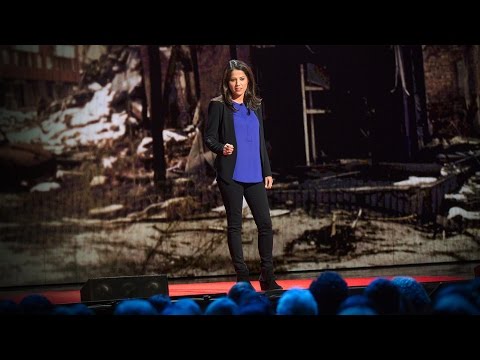
The secret to effective nonviolent resistance | Jamila Raqib
War and Nonviolent Struggle
The Impact of War on Personal Perspective
- War has been a constant presence in the speaker's life, beginning with their birth in Afghanistan during the Soviet invasion. This early exposure shaped their understanding of conflict and suffering.
- The speaker emphasizes that for many, especially those facing oppression or occupation, giving in is not an option. This leads to a necessity for powerful resistance methods.
Understanding Nonviolent Action
- The speaker argues that simply condemning violence will not end war; instead, effective alternatives must be provided to empower people against oppression.
- Nonviolent struggle is often misunderstood as merely protests; however, it encompasses a wide range of strategies aimed at undermining oppressive systems without physical violence.
Historical Context and Misconceptions
- Many rights enjoyed today were achieved through nonviolent struggles led by individuals who sacrificed greatly for change, yet this history is often overlooked.
- A common misconception exists where activists believe that past attempts at nonviolent action have failed due to government repression, which can lead to disillusionment with these methods.
Strategies for Effective Nonviolent Resistance
- Nonviolent struggle involves targeting the institutions that sustain oppressive regimes rather than engaging them directly; this includes actions like strikes and creating alternative media outlets.
- Gene Sharp identified 198 methods of nonviolent action beyond protests, highlighting the complexity and variety within this approach to conflict resolution.
Case Study: Guatemala's Citizen Movement
- In Guatemala, a small group initiated a protest via social media that attracted 30,000 participants demanding governmental change through creative tactics like delivering eggs symbolizing courage against corruption.
- When traditional protests did not yield results, activists organized a general strike leading to significant economic disruption and ultimately forcing the resignation of corrupt officials within days.
Global Examples of Creative Activism
- Activists worldwide are employing innovative tactics such as releasing painted pigs in Uganda as symbolic acts against ruling parties; however, isolated actions need strategic coordination for greater impact.
- Effective nonviolent movements require well-trained participants with clear objectives and comprehensive strategies akin to military operations but are rarely studied systematically compared to warfare techniques.
Rethinking Conflict Resolution Approaches
- The U.S.'s ongoing challenges with ISIS highlight how local populations have resisted extremism through nonviolence—parents boycotting schools rather than allowing indoctrination exemplifies grassroots defiance against tyranny.
- Coordinated efforts among various acts of resistance could significantly undermine groups like ISIS by cutting off essential resources they rely on for operation and control over communities.
Future Directions for Nonviolence
- There is potential for refining nonviolent action methodologies similar to advancements seen in technology; improving these approaches could make them more effective than violent means historically used in conflicts.
- Ultimately, the hope lies not just in denouncing violence but innovating ways to render it obsolete through empowered collective action rooted in nonviolence principles.
Turn any video into a summary like this
YouTube links, meetings, lectures. With transcripts, search, and chat.