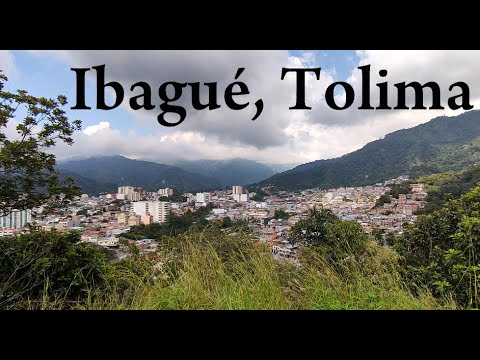
Ibagué, Tolima (City Tour & History) Colombia
Overview of Ibague, Colombia
This section provides an introduction to Ibague, the capital of Tolima department in Colombia. Ibague is located in the central mountain range of the Colombian Andes and is known for its population, political and economic activities, art and culture, and tourism.
History and Indigenous Resistance
- The city was founded by Spanish conquerors who faced resistance from indigenous tribes.
- Indigenous leaders such as Chief Ambiana and Chief Kukuana fought against the Spanish conquest.
- The continuous attacks by natives forced the Spanish to request reinforcements.
- Despite efforts to pacify the indigenous tribes, they were unsuccessful.
Development and Gold Deposits
- Ibague developed thanks to mestizo and castizo settlers motivated by gold and silver deposits found in the Combema River.
- The region's rich deposits are due to its location near volcanoes Navarro de Tolima and Cerro Machin.
Political Significance
- In 1854, the National Congress met in Ibague for important political discussions.
- The city played a role in Colombian history during various periods.
Cultural Significance
- Ibague is known as the musical capital of Colombia due to its conservatory of Tolima.
- Folklore festivities, monuments, dances like bambuco, bunde tuliamensei lenya, San juanero waltzes contribute to its cultural heritage.
Influence of Music on Culture
This section explores how music has influenced the culture of Ibague over time.
European Influence on Music
- European rebels with Republican ideas brought European painting, literature, and music to America.
- A French visitor named Count Gabriac recognized the importance attached to music by inhabitants of Ibague.
Rise of Music Schools
- The rising aristocracy in Ibague promoted the appearance of music schools.
- This led to the establishment of the Ibague Conservatory, one of the most important musical schools in Colombia.
Folk Festival
- The Abagi Folk Festival was born in 1959 to stimulate traditional and cultural celebrations.
- It takes place annually in June, between the festivals of San Juan and San Pedro.
Demographic Growth and Historical Context
This section discusses the demographic growth of Ibague and its historical context.
Population Growth
- Ibague experienced significant demographic growth in the mid-20th century due to a peasant exodus.
- This growth was accompanied by a period of violence known as "leviolencia."
Historical Significance
- Ibague played a significant role during various historical periods, including political events and conflicts.
Early History and Indigenous Resistance
This section explores the early history of Ibague and resistance faced by Spanish conquerors from indigenous tribes.
Founding and Indigenous Resistance
- Spanish conquerors arrived at a place called El Valle de las lanzas but faced resistance from native tribes.
- Indigenous leaders such as Chief Ambiana and Chief Kukuana fought against Spanish conquest.
Failed Pacification Efforts
- Despite efforts to pacify indigenous tribes, they were unsuccessful in gaining control over the area.
New Section
This section provides an overview of the city of Ibague in Colombia, including its economy, textile industry, and ease of doing business.
City Overview
- Ibague is known for hosting the National Folklore Queen festival, where candidates showcase folklore from their respective regions through dancing, singing, and playing traditional instruments.
- The city's economy is based on the industrial sector, with several recognized companies in Colombia. It also has a strong presence in the primary sector with livestock agriculture and mining. Additionally, Ibague is a major producer and exporter of coffee.
- Ibague is considered the third textile city in Colombia after Medellin and Bogota. It celebrates the eBay Game Makila and Fashion Event in August to highlight its relevance in the textile industry.
- According to the World Bank's Doing Business report, Ibague ranks high in terms of ease of doing business and investment opportunities in Colombia, second only to Manizales.
- The city has a strong urban economy and potential for growth within South America due to its competitive national and international business centers, industry, and infrastructure.
Natural Attractions
- Apart from the Folk Festival, Ibague offers various national parks for visitors to enjoy flora and fauna. The main attraction is the snow-capped Nevado del Tolima volcano, which can be summited through a guided multi-day trek. For those seeking a more casual adventure, Convemont Canyon nearby offers waterfalls and tropical forest exploration with rich biodiversity.
- Videos showcasing Convemont Canyon and other towns can be found in playlists linked in the video description or on the YouTube channel "Hum of the Earth." Interactive maps of travel experiences are available on followthehumoftheearth.com.
New Section
This section provides information about the creator's travel experiences in Colombia and invites viewers to follow their ongoing adventures.
Travel Experiences
- The creator has made videos and blog posts about their travels through various regions, including Latin America, Eastern Africa, Central and Eastern Europe, etc. Playlists for each country can be found on the same YouTube channel "Hum of the Earth."
- An interactive map showcasing all the places visited is available on followthehumoftheearth.com.
- Viewers are encouraged to subscribe to the YouTube channel and click on the notification bell for updates on future videos documenting adventures in Colombia and beyond.