Engaging Pre-K Learners By Following Their Interests
Emergent Curriculum in Early Childhood Education
Understanding Emergent Curriculum
- Emergent curriculum is shaped by the questions, interests, and passions of young children, allowing for a responsive and dynamic learning environment.
- The curriculum evolves based on children's interests, making it a collaborative process between educators and students.
Learning Objectives as Foundations
- The program includes approximately 48 learning objectives that serve as foundational elements for the educational framework throughout the school year.
- Educators liken these objectives to the structural components of a house, while children influence the content and direction of their learning experiences.
Child-Led Dramatic Play Areas
- Dramatic play areas are frequently transformed based on children's interests; examples include a pancake restaurant or a veterinary clinic. This adaptability fosters engagement and creativity among children.
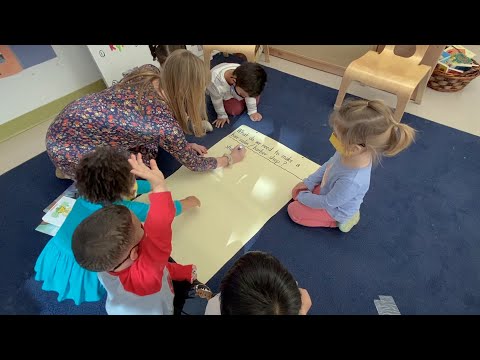
- Children actively participate in planning activities such as creating lists for new dramatic play themes (e.g., barber shop), enhancing their investment in the learning process.
Engaging with Real-Life Contexts
Virtual Field Trips
- Incorporating virtual field trips to relevant locations (like hair salons) allows children to explore real-world contexts related to their interests, facilitating deeper understanding through discussion during viewings.
Meaningful Material Gathering
- The process of gathering materials over time builds anticipation among children, making their eventual play more meaningful compared to simply providing pre-set items without context or involvement.
Fostering Engagement Through Contribution
Involvement in Planning
- Young children's involvement in planning activities helps maintain their engagement with learning tasks; they contribute ideas like signs for different roles within dramatic play scenarios (e.g., "Exit").
Developmental Skills Practice
- Activities at sensory tables are designed to enhance fine motor skills through hands-on experiences like using scissors or manipulating barrettes, aligning with developmental objectives outlined in the curriculum.
Importance of Role Play
Role Assumption in Dramatic Play
- Children take on various roles during dramatic play (e.g., customer, stylist), which promotes social skills such as sharing materials and taking turns while engaging deeply with imaginative scenarios.
Problem-Solving Opportunities
- Dramatic play serves as an essential platform for problem-solving discussions where educators can guide children through various situations encountered during role-play activities. This enhances critical thinking skills among participants.