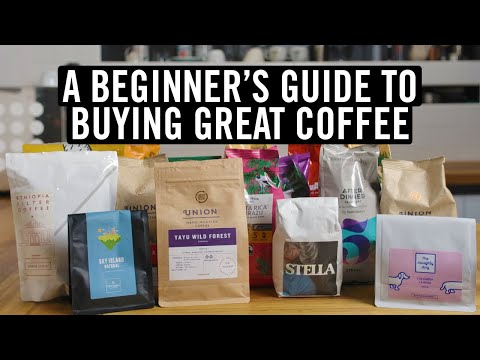
A Beginner's Guide To Buying Great Coffee
Beginner's Guide to Coffee Buying
Introduction to Coffee Buying
- The video aims to help viewers explore the world of coffee more easily and enjoyably, minimizing mistakes in purchasing.
- Emphasizes that while it's great to have a favorite coffee, there are many diverse flavors worth exploring.
- The goal is to assist viewers in making informed choices about coffee they will enjoy rather than risking poor purchases.
Structure of the Video
- The content is divided into three main sections:
- Golden rules for buying coffee.
- Where to buy coffee and the pros and cons of each option.
- Decoding labels on coffee bags and understanding what they convey about the product.
Personal Biases
- The speaker has a strong preference for specialty coffee, which may influence their recommendations but acknowledges that this video can still be useful for all types of coffee drinkers.
- Disclosure of co-owning a coffee company, clarifying that no products from this company are featured in the video.
Golden Rules for Buying Coffee
Rule #1: Buy Fresh Coffee
- Freshness is crucial; after roasting, coffee loses flavor over time due to oxidation and loss of aromatics. It's important to understand how freshness impacts taste quality.
- Specialty coffees typically provide a roast date, while supermarket brands often use best before dates, which can obscure when the coffee was actually roasted. This difference affects consumer knowledge about freshness.
Understanding Freshness in Brewing
- For espresso brewing, very fresh beans (high CO2 levels) can complicate the process; resting beans for several days post-roast can improve brew quality. Filtered coffees are less affected by freshness timing compared to espresso beans.
Whole Bean vs Ground Coffee
- Whole bean coffee is recommended as it retains flavor longer than pre-ground options; grinding just before brewing enhances aroma and taste experience significantly.
Storage Recommendations
- Light-medium roasts can last four to eight weeks post-roasting if stored properly; darker roasts should ideally be consumed within four to six weeks due to quicker staling rates.
Rule #2: Buy Traceable Coffee
Understanding Coffee Traceability and Quality
The Importance of Traceability in Coffee
- There is significant variation in flavor profiles across coffee-producing regions, making it less useful to know just the country of origin without specific location details.
- Maintaining traceability for high-quality coffees incurs additional costs, which are justified only if the coffee's taste and quality warrant a premium price.
- Investing more money generally leads to better quality coffee, with a higher likelihood that producers receive fair compensation.
Seasonal Buying Practices
- Different countries harvest coffee at various times, affecting when raw coffees arrive in consuming markets; fresh raw coffee lasts longer than roasted.
- Specialty coffee has embraced seasonality, meaning certain origins may only be available for limited periods throughout the year.
- Consumers should seek out retailers that frequently change their offerings to ensure freshness and optimal taste experiences.
Where to Buy Coffee: Supermarkets vs. Coffee Shops vs. Online
Supermarkets
- Supermarkets offer convenience and lower prices due to competition but often lack freshness as they do not treat coffee like perishable goods.
- The centralized distribution model can lead to delays from production to sale, resulting in older stock on shelves.
Coffee Shops
- Coffee shops provide an opportunity for personal interaction where customers can discuss preferences and receive tailored recommendations.
- Typically, the coffee sold at shops is fresher than supermarket options; customers can expect products around five to seven days old.
Online Retailers
- Purchasing online offers a wide variety of choices and competitive pricing; many roasters ship freshly roasted beans directly after receiving orders.
Coffee Subscription Services and Their Benefits
The Convenience of Coffee Subscriptions
- Roasters often provide subscription services, which simplify the process of obtaining coffee by delivering it directly to consumers' doors.
- A recommended approach is to subscribe for one bag from a roaster while purchasing an additional bag from another source, enhancing variety in coffee experiences.
Importance of Variety in Coffee
- Emphasizes that tasting different coffees is enjoyable and encourages exploration beyond a single source.
Understanding Coffee Roast Degrees
Roast Degree Terminology
- Coffee roast degrees are typically categorized as light, medium, or dark; however, supermarket brands often use "strength" ratings instead.
- Specialty coffee advocates criticize the term "strength," as it can mislead consumers regarding actual roast levels.
Specialty vs. Supermarket Coffees
- Specialty coffees may not always indicate roast degree on their packaging; when they do, it's usually light to medium unless specified otherwise.
- The roasting philosophy varies among roasters; some use omni-roasting techniques suitable for both espresso and filter coffee.
Flavor Descriptors in Coffee Packaging
Role of Descriptive Language
- Specialty companies often include multiple descriptive words on their bags to convey taste profiles and entice buyers.
- These descriptors serve dual purposes: describing flavor and marketing the product effectively.
Consumer Confusion with Flavor Terms
Understanding Coffee: A Comparison with Wine
The Nature of High-Quality Coffee
- Coffee is likened to wine, where high-priced wines are often elegant and familiar, while high-priced coffees tend to be unusual and less coffee-like in taste.
- When considering expensive coffee, it's important to assess whether the promise of an unusual experience aligns with personal preferences.
Comparative Tasting Insights
- Roasters use comparative tasting methods to describe coffees, which helps break down flavor profiles but may not translate well for consumers without similar experiences.
- Consumers might struggle to identify specific flavors like berry or pear unless they have a reference point from other coffees.
Personal Preferences in Coffee
Dislikes in Coffee Experience
- Understanding personal dislikes can guide coffee choices; some people dislike light-bodied or delicate coffees that don't taste like traditional coffee.
- Specialty coffee typically ranges from light to medium roast; descriptors such as "delicate" or "elegant" indicate lighter bodies, while terms like "creamy" suggest fuller-bodied options.
Acidity Sensitivity
- Acidity is a significant factor; some enjoy bright and juicy acidity while others find it repulsive.
- Fresh fruit descriptors (like berries or apples) indicate higher acidity levels, whereas cooked fruit terms (like jammy or candied fruits) suggest lower acidity.
Fermented Fruit Flavors in Coffee
Understanding Processing Methods
- Certain processing methods (dry/natural processed coffees) can lead to fermented fruit flavors that vary widely in consumer acceptance.
- Descriptors such as tropical fruits (pineapple, mango, strawberry) often signal these unique flavors; however, many consumers either love or hate them.
Making Informed Choices
Understanding Coffee Descriptions and Preferences
The Importance of Coffee Descriptors
- Discusses the unpredictability of coffee flavors, particularly when fruit is involved, suggesting that consumers should be cautious in their choices.
- Introduces a supermarket coffee labeled as "canyon coffee," highlighting its light to medium body with zesty citrus and blackberry notes, indicating a higher acidity level.
- Examines Lavazza Rosso, characterized as rich and full-bodied with chocolate notes, emphasizing low acidity and no fruity descriptors.
Analyzing Specific Coffee Examples
- Reviews a Chinese coffee described as nutty and sweet with cherry almond, candied orange, and caramel notes; anticipates reasonable texture but not overly light-bodied.
- Highlights Taylor's of Harrogate's natural processed coffee featuring pineapple, coconut, and whiskey flavors; warns about potential fermented tastes which may not appeal to everyone.
Making Informed Choices Based on Labels
- Notes that specialty roasters typically indicate whether a coffee is natural or washed; this information helps consumers make informed decisions based on their flavor preferences.
- Discusses an espresso roast expected to be darker with descriptors like rich chocolate spice and toffee; suggests it will have low acidity but potentially high bitterness.
Conclusion: Enhancing Your Coffee Buying Experience