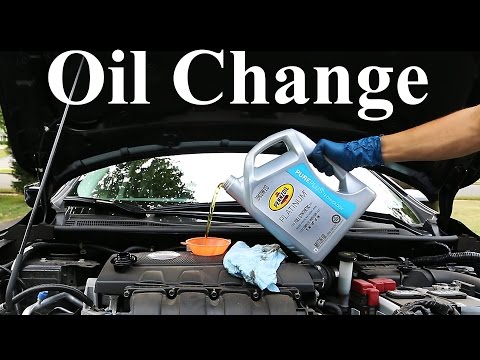
How to Change Your Oil (COMPLETE Guide)
How to Change the Oil in Your Car or Truck
Introduction to Oil Change
- Chrisfix introduces the video, aimed at beginners who have never performed an oil change before.
- Emphasizes the benefits of doing it yourself: using quality oil and filters, saving money, and enjoying car maintenance.
Tools Required for an Oil Change
- Lists essential tools: socket set, gloves, paper towels, oil and filter, oil filter wrench, catch pan, funnel, breaker bar.
- Mentions alternatives for lifting the vehicle: ramps or jacks; suggests using a curb if necessary.
- Provides links in the description for viewers to find tools used in the video.
Finding the Right Oil
- Advises checking the owner's manual for specific oil requirements including capacity and viscosity.
- Confirms that 4.25 quarts of 0W20 synthetic oil is needed based on manual specifications.
Selecting Motor Oil
- Discusses options available in stores; highlights importance of choosing correct viscosity (0W20).
- Addresses myths about synthetic oils; reassures viewers they can switch between synthetic and conventional oils as needed.
Recommended Maintenance Practices
- Suggests following manufacturer recommendations for changing oil mileage; mentions personal practice of changing at around 5,000 miles.
- Shares experience with a high-mileage vehicle still running well after consistent maintenance.
Choosing an Oil Filter
- Guides viewers on selecting an appropriate filter by referencing their vehicle's specifics; recommends quality brands like Purelator.
Steps to Perform an Oil Change
Preparing to Lift Vehicle
- Outlines three main steps: draining old oil, replacing the filter, filling with new oil.
How to Safely Change Your Car's Oil
Jacking Up the Car
- To begin, jack up the car and place jack stands under a sturdy part of the frame for safety. Lower the car onto the jack stands to create space for accessing the oil drain plug.
- Once securely supported by jack stands, it’s advisable to place the jack back on the frame as an additional safety measure against potential slips or malfunctions.
Preferred Method: Using Ramps
- The speaker prefers using ramps over jacks for oil changes due to their ease and safety. Ramps elevate the vehicle significantly, allowing better access underneath.
- After parking on ramps, engage the emergency brake and block off rear tires before proceeding. Shake the car to ensure stability before going underneath.
Locating Key Components
- Underneath, locate the oil drain pan which is typically black with a bolt. This is essential for draining old oil during maintenance.
- Distinguish between different pans; while looking for the oil drain pan, be aware that other pans like transmission drain pans may not have bolts.
Preparing for Oil Drainage
- Identify both the oil drain plug and filter; in this case, they are easily accessible beneath the vehicle.
- Before removing any components, position an oil collection pan beneath to catch draining fluid effectively.
Removing Drain Plug
- Use a 14mm socket on a ratchet to loosen the drain plug counterclockwise (righty-tighty lefty-loosey). If resistance is met, consider using a breaker bar for added leverage.
- If lacking a breaker bar, extend your ratchet's handle with a pipe for increased torque when loosening stubborn plugs.
Draining Oil Safely
- Allow all old oil to fully drain into your collection pan. It’s noted that changing oil can be done cold without risk of burns from hot engine parts.
- Some recommend warming up your engine briefly before changing oil; however, it's not strictly necessary if you allow adequate time after running it beforehand.
Final Steps After Draining
- Replace any gaskets associated with your drain plug as they are often one-time use items. While some reuse them successfully once or twice, replacing them is generally recommended for best practice.
How to Change Your Oil and Oil Filter
Step 1: Tightening the Drain Plug
- To tighten the drain plug, turn it clockwise using a small ratchet instead of a breaker bar. This ensures you only make it snug without over-tightening.
- Over-tightening can strip the drain plug and lead to further issues. Aim for 20 foot-pounds of torque, which is minimal effort.
Step 2: Removing the Old Oil Filter
- If the oil filter is too tight to remove by hand, various tools are available. The preferred tool is an adjustable wrench that accommodates different sizes.
- An adjustable rubber grip tool can also be effective as it tightens around the filter while turning, making removal easier.
- A specific socket-style tool exists for each filter size but may not work on smaller filters; thus, versatility in tools is essential.
Step 3: Installing the New Oil Filter
- After removing the old filter, ensure an oil catch can is positioned below to collect any leaking oil during removal.
- Pre-oiling the new filter helps prevent dry starts when starting up after installation. Fill it with new oil before installation if possible.
- Apply a thin layer of oil around the gasket of the new filter to facilitate easier removal next time and prevent leaks.
Final Steps: Adding New Oil
- Once installed, do not use tools to tighten; simply secure it by hand. Clean hands or use a towel if they become slippery from oil.
- When adding new oil, clean around the fill cap first to avoid debris entering the engine. Use a funnel for precise pouring.
- Pouring sideways provides better control over flow and reduces spills when filling with new oil; aim for four quarts total after accounting for pre-filling.
Conclusion: Completing Your Oil Change
Oil Change Process Overview
Preparing for the Oil Check
- Begin by leveling the car and checking for oil lights. The absence of an oil light indicates that the engine is receiving oil properly.
- After starting the engine, let it sit for about five minutes to allow all oil to settle before checking levels.
Checking Oil Levels
- When inspecting the dipstick, look for indicators: a dot signifies low oil, while another indicates full. Aim for high but within acceptable limits.
- If your oil level is too low, add more; however, avoid overfilling as this can lead to engine issues.
Final Steps and Disposal
- This section concludes with a reminder to ask questions in the comments if any arise after watching the video.
- Viewers are encouraged to share their experiences with their first oil change after following along with the video instructions.
Responsible Oil Disposal
- Dispose of drained oil responsibly by using old containers or any suitable receptacle.