How To PLAN your Game as a Solo Developer
Introduction to Production Point
In this video, Benjamin introduces Production Point, a practical project management methodology for solo developers. He starts by discussing the multi-armed bandit problem and how it was solved by Gittins. He then proposes breaking down game development into two phases: prototyping and production.
The Multi-Armed Bandit Problem
- The multi-armed bandit problem is a difficult problem in which you are presented with several slot machines with different win rates, but you don't know which machine has which win rate.
- The solution to the multi-armed bandit problem is the Gittins index, which assigns an index value to each slot machine and always pulls the machine with the highest index value.
Prototyping vs Production
- Game development can be broken down into two distinct phases: prototyping and production.
- When stuck in the prototyping phase, it can look like over-planning, not getting feedback from players, or never committing to something.
- When stuck in production, it can look like no deadlines, infinite polish, or no plan.
- During prototyping, focus on systems and mechanics such as inventory system or collisions. During production focus on content such as new levels or enemies.
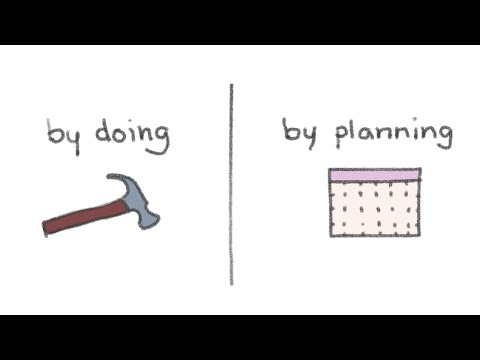
- Scoping during prototyping is done by doing since planning is difficult at this stage. Scoping during production involves building upon existing systems and mechanics while creating new content.
Conclusion
Production Point is a practical project management methodology that breaks down game development into two phases - prototyping and production. Prototyping focuses on systems and mechanics while production focuses on content. Scoping during prototyping is done by doing, while scoping during production involves building upon existing systems and mechanics while creating new content.
Prototyping vs Production: Understanding the Phases
This section discusses the differences between prototyping and production phases, including mentality, feedback, and planning.
Mentality during Prototyping and Production
- During prototyping, have a playful mentality and explore many ideas without taking anything too seriously.
- During production, adopt a work mentality with good habits and deadlines.
Feedback during Prototyping and Production
- During prototyping, constantly seek feedback from 5 to 10 people in your target audience. Use video to gauge players' reactions.
- During production, get feedback near the end of alpha or beta testing from hundreds of players to find bugs and quality-of-life issues. Use written feedback.
Planning for Content
- Adding new systems and mechanics follows an exponential curve during prototyping. Adding content follows a linear curve during production.
- The production point optimizes progress by combining these graphs. It takes the prototyping phase at the start of this graph and transitions to production at a clear dividing line.
Frequently Asked Questions
- What if your game requires a lot of content to prototype? Your prototyping and production phases will have different lengths depending on your genre. Different genres require different amounts of content.
Prototyping and Production
This section discusses the importance of prototyping and market research in game development. It also explains when to switch from prototyping to production and whether systems should be rewritten during this process.
Prototyping
- Prototype your story using a Google Doc with several different stories.
- Get feedback on those stories, pick one that's engaging for your audience, and run with that.
- Prototype parts of your game, especially systems and mechanics.
Switching to Production
- Look for a prototype that is engaging people enjoy doing it and it's already completed so the systems and mechanics are already finished.
- Players just want more content.
- Market research is very important if you want to make money on your game.
- Check trends, see what players are engaging with right now, check reviews on games that follow those trends.
- See if you can fill a need for the players.
Rewriting Systems During Production
- When switching to production, focus on content rather than systems or mechanics code.
- If there are bugs in the prototype because you wrote throwaway code for your mechanics and systems, then you're going to need to refactor or rewrite that code in order to get that prototype ready for production.
Game Feel
This section discusses how game feel affects gameplay experience. It also explains when certain aspects of game feel should be added during development.
Adding Game Feel
- The type of feel like how good it looks can affect game feel which would come into production.
- Focus on systems and mechanics during prototyping and content during production.
Project Management Method
This section talks about project management methods for solo developers. It also mentions two contrasting experiences between two projects: Demon Lock (hard) vs Tic Tac Tanks (easy).
Project Management Method
- Have clear steps and a really good plan and framework for how to manage your project.
- The goal is to help people finish their games.
Demon Lock vs Tic Tac Tanks
- Demon Lock has been really hard, with no clear line between prototyping and production.
- Tic Tac Tanks used this project management method, which helped the project flow quite nicely.
- A book about this method is planned.
Conclusion
This transcript discusses the importance of prototyping, market research, and game feel in game development. It also provides insights on when to switch from prototyping to production and how to manage projects effectively.