
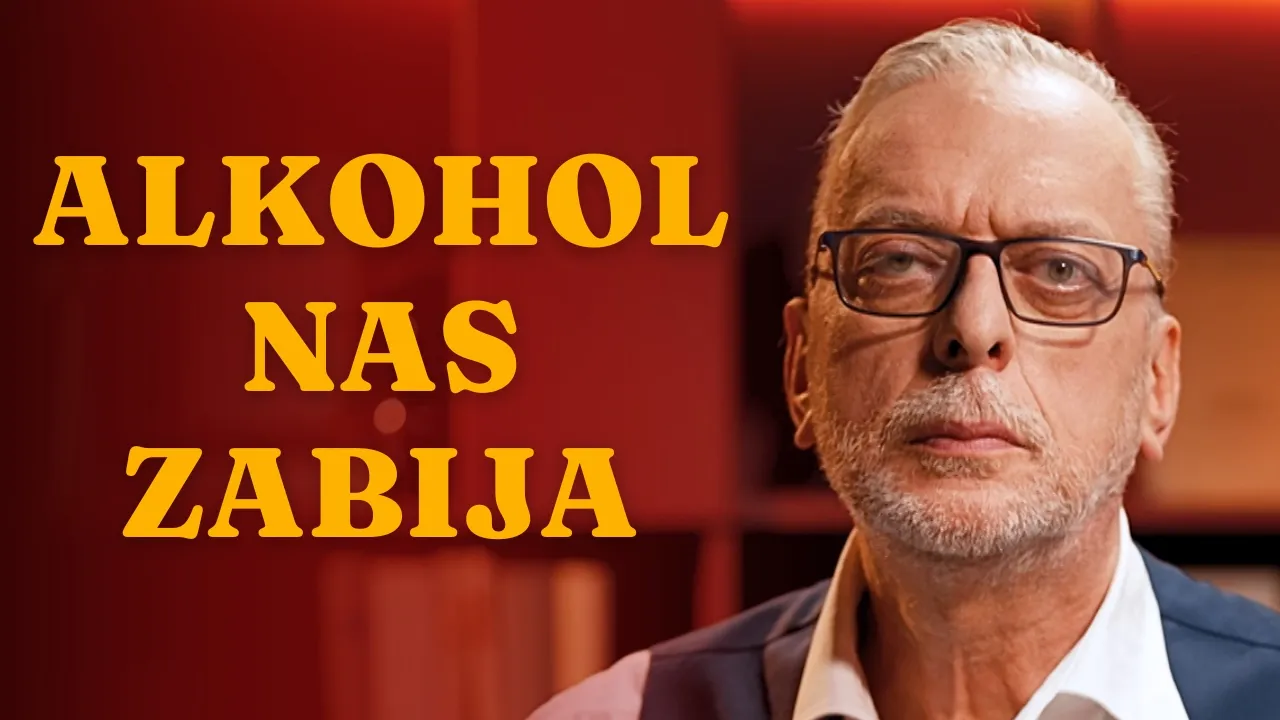
Alkohol przez 6 tygodni uszkadza ci mózg || Robert Rutkowski - BALANS#13
W jakim stopniu alkohol jest obecny w zawodowej piłce nożnej? Kim są wysoko funkcjonujący alkoholicy? Na czym polega syndrom osoby współuzależnionej? Czy piwo 0% jest bezpiecznie? Zapraszam na kolejny odcinek “Balansu” z naszym stałym gościem, terapuetą uzależnień - Robertem Rutkowskim. Poruszymy temat, który jest Robertowi dobrze znany i z niego jest rozpoznawalny, czyli uzależnienie od alkoholu. Jednak ze względu na to, że rozpoczęły się Mistrzostwa Europy w piłce nożnej, a niebawem rozpoczną się Igrzyska Olimpijskie, to mówimy dużo sporcie, który również jest bliski i ważny dla Roberta. Spis treści: 00:00:00 Najlepsze fragmenty 00:01:49 Kim są wysoko funkcjonujący alkoholicy? 00:07:33 Alkohol w cieniu wielkich imprez sportowych 00:13:16 Spożycie wódki i mikroudary mózgu 00:24:25 Syndrom osoby współuzależnionej 00:31:05 Alkohol i piłka nożna 00:40:20 Rozpijanie młodych zawodników 00:44:03 Czy piwo 0% jest bezpieczne? 00:51:18 Skłonność do uzależnień 00:57:24 Pytanie od widza o życiowy azymut i szczęście
Alkohol przez 6 tygodni uszkadza ci mózg || Robert Rutkowski - BALANS#13
Alcoholism and High-Functioning Alcoholics
The discussion delves into the concept of alcoholism, high-functioning alcoholics, and the societal perceptions surrounding alcohol use in sports.
Alcohol as a Narcotic
- Na uka defines alcohol as a strong narcotic substance, questioning whether ethanol is anything other than a drug.
- Criticism is directed towards the combination of alcohol with sports from ethical and moral viewpoints.
- Introduction to Robert Ludkowski, an addiction therapist, discussing the prevalence of alcoholism in society.
High-Functioning Alcoholics
- Exploration of high-functioning alcoholics and their hidden struggles within society.
- Discussion on the oxymoron of high-functioning alcoholics and societal perceptions around them.
Defining Alcoholism
This section focuses on defining alcoholism as a disease and challenges associated with labeling individuals as "alcoholics."
Understanding Alcoholism
- Alkoholik is classified as a disease according to ICD-10 and DSM-5 criteria, sparking debate on its accuracy.
- Debate on whether being labeled an alcoholic becomes part of one's identity due to societal perceptions.
Alcohol: A Powerful Drug
The conversation highlights the potency of alcohol as a drug and its impact on individuals' lives.
Effects of Alcohol
- Alcohol is described as a highly potent narcotic affecting the nervous system profoundly.
Understanding the Impact of Alcohol Consumption on Public Health
In this section, the speaker discusses the influence of major football events like Euro and World Cup on alcohol consumption. They also delve into personal experiences related to alcohol and its effects on individuals.
The Influence of Major Events on Alcohol Consumption
- Major football events like Euro and World Cup serve as opportunities for many individuals to consume alcohol, often in conjunction with products like beer and chips that are heavily advertised during these times.
Personal Experience with Alcohol and Health Issues
- The speaker shares a personal story about dealing with the challenges of alcohol consumption during a difficult period involving caring for their terminally ill mother who suffered from Parkinson's disease.
- Reflecting on the impact of alcohol-related incidents in hospitals, the speaker highlights the need for interventions to address issues arising from excessive drinking.
Implementing Alcohol Regulations for Public Safety
- Discussing the concept of "alcohol silence," which refers to regulations controlling nighttime alcohol distribution, leading to a decrease in accidents and hospital visits due to alcohol-related incidents.
- Emphasizing the importance of swift medical assistance in emergency situations caused by alcohol-related accidents to prevent further harm.
Alcohol Consumption Effects on Brain Functionality
This section focuses on the physiological effects of alcohol consumption, particularly concerning brain function and long-term damage caused by excessive drinking.
Physiological Impact of Alcohol Consumption
- Drinking even small amounts of vodka can lead to an increase in certain substances in the body that mimic stroke symptoms, highlighting the dangers associated with consuming alcoholic beverages.
Long-Term Consequences of Excessive Drinking
- The speaker reveals that consuming 150 grams of vodka can result in brain damage lasting up to six weeks, shedding light on the prolonged impact of alcohol on cognitive functions.
Alcoholism and its Implications
In this discussion, the speaker delves into the complexities of cognitive functions affected by alcoholism. They explore the case of a client who has been sober for years but still grapples with addiction-related issues, shedding light on the nuances of functioning and defining alcoholism.
Cognitive Impact of Alcoholism
- The client reflects on his past drinking experiences, highlighting how even after years of sobriety, he reminisces about casual drinking episodes.
- Returning to a state of cognitive normalcy post-alcohol consumption can take weeks or even months, emphasizing the long-lasting effects of alcohol on brain function.
- Questioning the classification of "high-functioning alcoholic," as it may downplay the severity of alcoholism and mask underlying issues faced by individuals.
Defining Alcoholism
- Challenging the term "alcoholic" and its complexity in categorizing individuals based on societal perceptions and economic status rather than solely on drinking habits.
- Tracing back to historical definitions of alcoholism as a disease in American literature from the 1950s, shaping contemporary views on addiction.
- Exploring a comprehensive definition that links alcohol consumption to social and individual losses, providing insight into the multifaceted nature of alcoholism.
Health Implications and Societal Norms
- Discussing how any amount of alcohol consumption can have carcinogenic effects, challenging traditional beliefs about safe drinking levels.
- Highlighting research on genetic mutations caused by alcohol intake, emphasizing that even minimal consumption can lead to detrimental health consequences.
- Addressing societal norms around alcohol consumption and debunking myths about safe levels, stressing the need for awareness regarding the harmful effects of any amount of alcohol.
Perception and Awareness
- Reflecting on how every instance of consuming alcohol could be considered problematic if viewed through a modern lens that acknowledges its negative impacts.
- Critiquing resistance towards accepting scientific findings on alcohol's health risks and labeling proponents as radicals or non-believers due to societal conditioning.
Alcoholism and High-Functioning Individuals
The speaker discusses the prevalence of alcohol in social events, especially among high-functioning individuals, and the impact on their families.
Alcohol Consumption Among High-Functioning Individuals
- High-functioning individuals may hide their alcoholism well, leading to a misconception that they are managing well.
- Labeling someone as a high-functioning alcoholic can be detrimental as it creates a hierarchy among those with alcohol problems based on financial status.
Impact on Family and Children
- Children can sense when a parent is struggling with alcohol, even if the parent appears to be functioning well in society.
- Children are perceptive and can detect changes in behavior due to parental alcohol consumption.
Jan Machulski's Story
The speaker reflects on Jan Machulski's life as a high-functioning alcoholic and the consequences of his addiction.
Jan Machulski's Life
- Jan Machulski was a successful actor but struggled with alcohol addiction, which ultimately led to his demise.
- Despite his success, Jan Machulski's alcoholism became his defining characteristic in social circles.
Sport as an Escape from Addiction
The importance of sports in combating addiction and establishing healthy routines for mental well-being.
Role of Sports in Addiction Recovery
- Engaging in sports not only improves physical health but also instills discipline and routine that can aid during challenging life moments.
Alcohol and Sports - Ethical Perspective
The speaker discusses the unethical and immoral aspect of combining alcohol with sports, particularly football, highlighting the negative impact on the integrity of sports.
Alcohol and Sports Prostitution
- Cultural disapproval of alcohol in certain regions led to outrage when better fans were restricted from consuming alcohol during events.
- Media focused on banning beer consumption at football matches rather than addressing human rights violations in stadium construction.
Negative Impact of Alcohol in Football
- Criticism towards linking alcohol with football matches due to its detrimental effects on health and behavior.
- Childhood memories tainted by encounters with intoxicated football players, reflecting a prevalent drinking culture within the sport.
Alcohol Consumption in Football - Controversies
The discussion delves into specific instances of alcohol consumption controversies within football, shedding light on the normalization of excessive drinking among players and fans.
Normalization of Excessive Drinking
- Former professional athletes openly engaging in heavy drinking behaviors, perpetuating a culture of excessive alcohol consumption.
- Criticism towards prominent sports organizations for failing to address or condemn public displays of drunkenness among players.
Influence on Perception and Behavior
- Association between renowned football figures and promotion of alcohol consumption blurs ethical boundaries within the sport.
- Public perception shaped by incidents where high-profile individuals endorse or engage in heavy drinking practices publicly.
Sports Organizations and Alcohol Sponsorship
Exploring the role of sports organizations in endorsing or tolerating alcohol-related behaviors among athletes, impacting both individual conduct and public perception.
Ethical Dilemmas in Sports Governance
- Focus shifts from player's actions to criticism over capturing and sharing instances of excessive drinking online.
- Lack of accountability from sports governing bodies regarding addressing issues related to alcohol consumption within the industry.
Public Image vs. Reality
- Contradictions between public image maintenance by sports organizations and actual behaviors exhibited by athletes raise concerns about transparency and values upheld by these entities.
Professionalism vs. Alcohol Consumption in Sports
Examining the conflict between maintaining professionalism in sports while combating prevalent issues surrounding alcohol consumption among athletes.
Professional Standards vs. Cultural Norms
- Discrepancies observed between efforts to uphold professionalism within sports environments contrasted with widespread acceptance or even encouragement of heavy drinking habits.
Impact on Athlete Performance
The Impact of Alcohol in Sports - Insights and Recommendations
The speaker addresses the pervasive issue of alcohol consumption within sports environments, particularly concerning young athletes. They emphasize the need for legal action and societal responsibility to combat this harmful practice.
Addressing Alcohol Presence in Sports
- Lawyers express outrage at the alcohol-related incidents in sports and offer pro bono services to parents affected by this issue.
- A plea is made to all public figures in the football world to reconsider their actions, highlighting the harm caused to youth who love the sport.
Concerns about Initiations and Underage Drinking
- Discussion on disturbing practices like initiating young players through alcohol consumption by coaches, questioning its purpose and legality.
- Highlighting instances of underage drinking at sports camps, often involving players as young as 13-14 years old, with parents feeling helpless due to legal constraints.
Alcohol Sponsorship in Sports - Ethical Considerations
The speaker delves into the ethical implications of alcohol sponsorship in sports, urging for a shift away from using football solely for profit-making purposes.
Ethical Dilemma of Alcohol Sponsorship
- Criticism towards alcohol companies sponsoring sports events, citing societal acceptance of alcohol consumption as a fundamental issue.
- Positive note on decreasing alcohol consumption among individuals who understand its risks, signaling a potential cultural shift away from excessive drinking habits.
Exploring Non-Alcoholic Alternatives - Health Implications
The discussion shifts towards non-alcoholic beverages as substitutes for alcoholic drinks, considering health benefits and risks associated with these alternatives.
Non-Alcoholic Beverage Choices
- Exploring non-alcoholic options for individuals not requiring abstinence but seeking a similar taste experience without health risks.
Understanding Healthy Habits and Addictions
In this section, the speaker discusses the importance of healthy habits and avoiding addictions, particularly related to alcohol consumption.
The Impact of Alcohol Consumption
- Emphasizes the benefits of consuming non-alcoholic beverages like juices over alcoholic drinks.
- Advises patients to consult with a therapist before consuming non-alcoholic wine to ensure it is safe for them.
Connection Between Dopamine and Activities
- Explores the link between dopamine and activities like sports and alcohol consumption.
- Discusses how individuals previously addicted to substances may shift their addiction to healthy physical activities that stimulate dopamine release.
Balancing Obsessions and Healthy Behaviors
This section delves into the transition from obsessions with substances to obsessions with healthy behaviors, highlighting the role of dopamine in these processes.
- Explores how obsessions can shift from substances to activities like racing or surfing, driven by dopamine stimulation.
- Highlights the fine line between healthy engagement in activities and obsessive behavior, urging individuals to listen to feedback from loved ones.
Impact of Obsessions on Life Balance
Here, the discussion centers on how obsessions, whether chemical or behavioral, can impact individuals' lives and relationships.
- Describes how former addicts may channel their addictive tendencies into business ventures due to emotional stimulation.
- Emphasizes that maintaining a functional family structure is crucial in protecting individuals from falling into destructive patterns.
Coping with Life's Challenges
This part focuses on accepting life's challenges and seeking support when needed to navigate difficult situations effectively.
- Acknowledges that life involves suffering and encourages individuals to accept moments of frustration while taking preventive actions.
Therapeutic Relationships and Dealing with Addiction
In this section, the speaker discusses the importance of feeling safe in therapeutic relationships, distinguishing between obsession and addiction, and dealing with partners who exhibit dependent behaviors.
Understanding Obsession vs. Addiction
- Obsession involves a lack of control over certain behaviors. Those accompanying individuals with obsessions may start behaving as if they are dependent on them.
- When suspecting issues in a relationship related to substances or behaviors, seeking professional help is crucial rather than trying to become a therapist oneself.
Dealing with Dependency Issues
- Engaging with someone exhibiting addictive behavior can lead to being perceived as an enemy hindering their obsession-driven goals.
- Resolving such conflicts early on is essential to prevent long-term damage to relationships and one's well-being.
Navigating Life Challenges and Seeking Happiness
This part delves into how past experiences, such as growing up around addiction, can impact reactions in current relationships. Additionally, it touches on finding happiness through meaningful actions.
Impact of Past Experiences
- Individuals who grew up around addiction may react more strongly in relationships due to heightened awareness of danger signals.
- Encouragement for seeking therapy together as a couple when facing challenges in a relationship involving addiction or dependency issues.
Pursuit of Happiness
- Encouragement for younger generations to seek meaning rather than absolute happiness in life.
- Emphasizing the importance of asking questions and finding peace within oneself by focusing on rational actions rather than chasing happiness.
Defining Happiness Through Inner Peace
The speaker shares insights on defining happiness through inner peace and self-awareness while navigating life's complexities.
Finding Inner Peace
- Avoid seeking happiness directly; instead, focus on finding purpose and meaning in actions undertaken.
- Personal definition of happiness: achieving mental tranquility amidst life's uncertainties by acknowledging one's dark side for personal growth.
Embracing Self-Awareness
- Acknowledging moments of confusion or darkness as opportunities for self-discovery and calibration towards becoming a better individual.
Spokoju Umysł - Toksyczne Relacje
The speaker discusses the importance of mental peace and the challenges of dealing with toxic relationships, highlighting the difficulty in distancing oneself from close individuals who may have a negative impact.
Spokoju Umysł (Mental Peace)
- The speaker emphasizes the significance of mental peace and notes that some patients find it easier to quit drugs as they recognize the harm caused by substances like alcohol, pornography, and unhealthy sexual relationships.
- Individuals often feel discomfort and inner turmoil when engaging in activities that are not suitable for them, making it easier for them to quit such behaviors. The biggest challenge lies in giving up social oxygen – toxic relationships with people who drag us down.
- It is particularly challenging to distance oneself from those closest to us, even though it may be necessary for normal functioning. Eliminating toxic individuals from our lives, especially within family relationships, can be crucial for personal well-being.