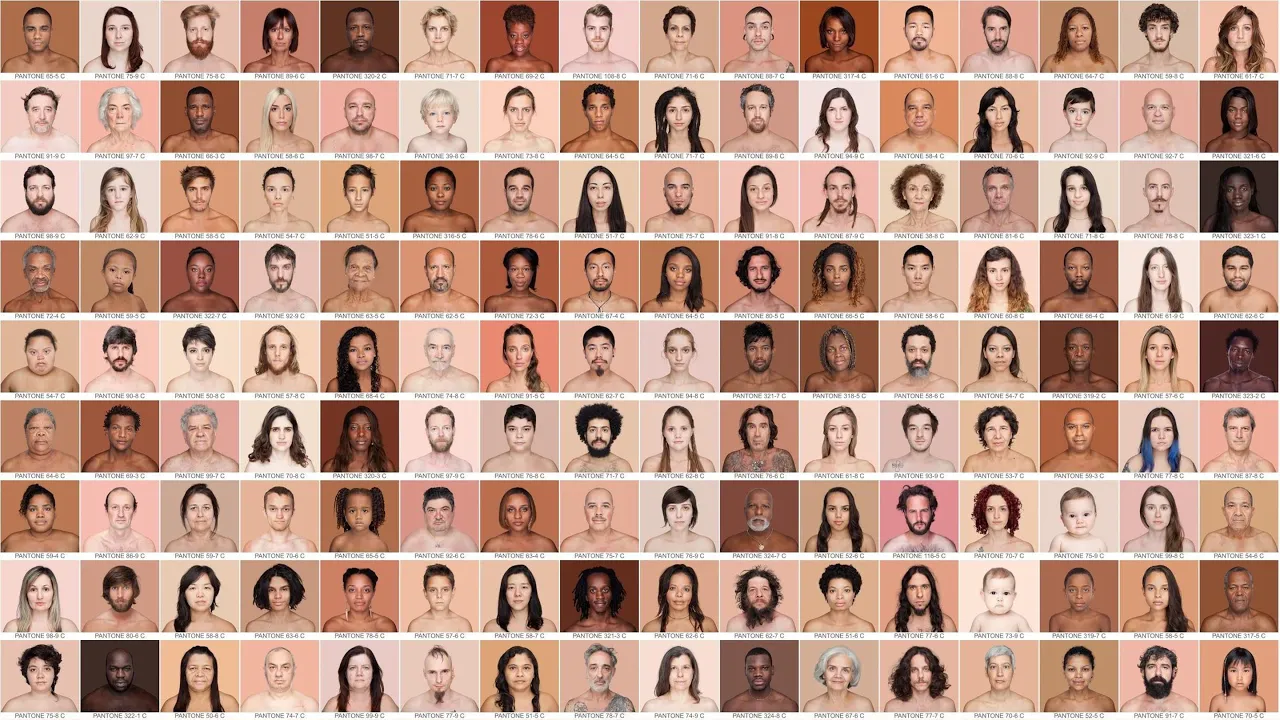
The beauty of human skin in every color | Angélica Dass
New Section
The speaker reflects on the persistence of racial prejudices despite historical milestones like the abolition of slavery and Martin Luther King Jr.'s "I Have A Dream" speech.
Family Diversity
- The speaker describes their family's diverse skin tones, ranging from dark chocolate to porcelain, vanilla, cinnamon, and toasted-peanut.
- Growing up in a colorful family, the speaker didn't initially perceive color as significant until facing external perceptions based on skin color.
Personal Struggles with Identity
- The speaker recalls instances where they were mistaken for a nanny or maid due to their skin color, highlighting societal biases and stereotypes.
- Marrying someone with a different skin tone raised questions about the potential colors of their future children, prompting introspection on identity.
Exploring True Colors Through Humanae
The speaker introduces Humanae as a project aimed at showcasing true human colors beyond traditional racial classifications.
Conceptualization of Humanae
- Humanae seeks to challenge conventional race labels by capturing individuals' unique colors instead of categorizing them as white, red, black, or yellow.
- Using Pantone colors extracted from individuals' noses against a white background, the project aims to prompt reflection on societal codes related to race.
Global Engagement and Impact
- Over 3,000 people from various countries have participated in Humanae portraits, fostering inclusivity across diverse backgrounds and identities.
- The project encourages reevaluation of how individuals perceive each other amidst ongoing scientific debates questioning traditional notions of race based on physical features or origins.
New Section
In this section, Angélica reflects on her role as a channel for communication and the therapeutic aspect of taking pictures.
Reflection on Communication and Photography
- Angélica acknowledges her ability to serve as a channel for others to communicate.
- She compares the act of taking pictures to sitting in front of a therapist, suggesting that photography is a form of self-expression and introspection.
New Section
This part delves into Angélica's emotional journey from negative emotions to love and her connection to her birth country's history.
Transformation of Emotions
- Angélica describes how past feelings of frustration, fear, and loneliness have transformed into love over time.
- She highlights the historical significance that the last country to abolish slavery is where she was born, emphasizing a personal connection to this historical context.
Turn any video into a summary like this
YouTube links, meetings, lectures. With transcripts, search, and chat.