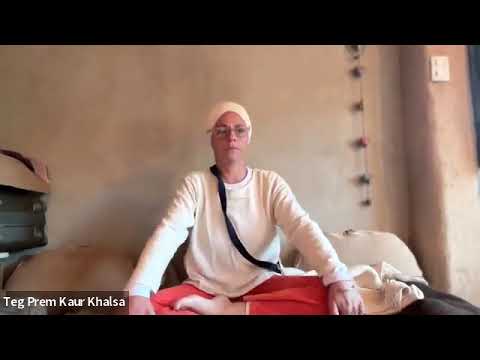
💜 M7. Clase 2. Práctica.
Introducción al Séptimo Chakra y el Prana
Conceptos Básicos del Séptimo Chakra
- La clase se centra en el séptimo chakra, conocido como el loto de mil pétalos, y su relación con la energía.
- Se introduce el concepto de prana, diferenciándolo del cuerpo pránico (cuerpo 8), enfatizando que hoy se hablará sobre el prana en sí.
Aura y Campo Electromagnético
- Se aclara la confusión entre aura y campo electromagnético; el aura es solo una parte del campo electromagnético generado por un ser humano.
- El campo electromagnético incluye múltiples dimensiones del ser, formando envoltorios alrededor del cuerpo físico.
Relación entre Aura y Chakras
Vibraciones de los Chakras
- La aura refleja los colores de las vibraciones de los siete chakras, mostrando un plano unificado de la conciencia.
- Para ver el aura de una persona, es necesario lograr la fusión y unificación de los siete centros energéticos.
Identidad Limitada
- La identificación más sutil se encuentra en la aura; depende directamente de los siete chakras conectados a órganos y emociones.
- El equilibrio o desequilibrio en estos centros impacta directamente en la vibración del aura.
Unificación Energética
Colores del Aura
- Un arco iris representa idealmente cómo debería verse nuestra aura; cuando se fusionan los colores, aparece blanco.
- La unificación divina se observa en Madre Gaia; su aura no está teñida negativamente, lo que refleja su estado energético puro.
Impacto Emocional
- Los chakras influyen en cómo nos sentimos; pueden arrastrarnos hacia arriba o hacia abajo, afectando así nuestro equilibrio emocional.
Kundalini y Energía Vital
Importancia del Kundalini
- La práctica espiritual implica unificar nuestros centros energéticos para existir plenamente en la Tierra.
- Se menciona que para proyectar luz desde nuestro ser (como una bombilla), necesitamos suficiente voltaje energético proveniente del Kundalini.
Ejercicio Energético
- Se propone trabajar desde el tercer chakra hacia el infinito para integrar todos los centros energéticos.
Pranayama y Percepción del Aura
Técnicas Prácticas
- Comienza una práctica de pranayama para limpiar la energía sobre el arco de luz personal.
- Instrucciones detalladas sobre cómo realizar ejercicios respiratorios que ayudan a disolver karma mientras se visualiza agua fluyendo.
Yoga Practice for Chakra Activation
Initial Stretching and Breathing
- Begin by exhaling completely, releasing the arms, and stretching the legs forward while reaching for the toes or knees.
- Perform a bicycle movement with the legs, gradually increasing the size of the circles as you engage your hip joints.
- Activate the third chakra by lifting both legs up and lowering them together in a controlled manner.
Core Engagement and Movement
- Maintain abdominal contraction while moving ankles in circular motions to enhance stability.
- Embrace your knees before transitioning into dorsal flexions to open up the spine.
Neck and Aura Work
- Start neck rotations to work on electromagnetic fields and aura perception; this is crucial for energy flow.
- In a comfortable seated position, perform 15 neck rotations while coordinating with breath—inhale when looking up, exhale when looking down.
Advanced Neck Movements
Eight Shape Drawing with Nose
- Draw an "8" shape with your nose in one direction for 15 repetitions, focusing on breath synchronization.
- Repeat drawing an "8" in the opposite direction after completing the first set.
Mudra Practice
- Introduce Venus Mudra: interlace fingers while keeping specific fingers extended; this mudra enhances energy flow during practice.
Breathing Techniques
Controlled Inhalation and Exhalation
- Engage in three-part inhalations followed by a single exhalation; maintain elbow flexibility throughout.
- Focus on opening the chest during inhalations to maximize lung capacity.
Energy Connection Exercises
- Position hands close without touching; alternate movements forward and backward while maintaining focus on breathing. This exercise aids in aura visibility enhancement.
Vitality and Energy Flow
Importance of Prana
- Emphasize that vitality is essential for chakra work; without sufficient prana, progress may be hindered despite efforts made towards unification with higher energies.
Focused Meditation Practices
- Discuss dharana (focus concentration), which leads to dhyana (meditative absorption); these practices are vital for connecting with deeper aspects of self-awareness.
Final Stages of Practice
Sustaining Energy Levels
- Encourage participants to shift focus from discomfort towards maintaining movement fluidity; this helps integrate body awareness with mental clarity.
Closing Remarks
- As practice concludes, remind participants about their connection to energy sources within themselves; encourage final stretches before ending.
Breathing and Body Alignment Techniques
Initial Positioning and Hand Movements
- The session begins with a focus on breath control, where the instructor emphasizes relaxing the neck and arms while extending the left hand.
- The right hand grips the left, creating a connection that involves closing thumbs together, followed by synchronized inhalation and exhalation movements at 60 degrees.
Maintaining Posture and Core Engagement
- Participants are encouraged to find a comfortable rhythm for their breathing over five minutes while ensuring proper neck alignment away from shoulders.
- Emphasis is placed on keeping elbows straight, engaging core muscles, and maintaining an upright spine to prevent lumbar strain.
Energy Flow and Aura Expansion
Understanding Aura Dynamics
- A strong aura (over one meter in size) protects against negative influences such as illness or depression; a weak aura allows external energies to penetrate.
- The instructor notes that during group practices, energy can be lost if participants are not mindful of their prana levels.
Final Exercises for Strengthening
- As the session nears completion, participants engage in final arm-strengthening exercises while focusing on their commitment to working through all seven chakras.
Chakra Activation Practices
Structured Practice Overview
- Each participant commits to a month-long practice focused on chakra activation through powerful series of exercises designed for each chakra.
- This includes deep sensory engagement aimed at enhancing multi-dimensional awareness within oneself.
Breathing Techniques for Chakra Connection
- Specific breathing techniques are introduced where arms are positioned at 90 degrees with an additional 60-degree opening to enhance energy flow.
- Inhalation is segmented into four parts while exhaling also follows a structured pattern; this method aids in grounding energy during practice.
Interconnection of Energetic Bodies
Breath as a Connector
- Powerful respiratory exercises target higher chakras, aiming to awaken internal strength necessary for connecting subtle bodies like the aura and pranic body.
- All energetic bodies are interconnected through chakras; continued breathing helps bridge these unseen aspects of self-awareness.
Sensitivity Development Through Practice
- Participants learn to perceive their aura's color and vibration as they deepen their sensitivity towards these subtle energies during practice sessions.
Deepening Awareness Through Meditation
Focused Meditation Techniques
- A mantra ("sa ta na ma") is introduced for concentration during meditation; participants focus on the third eye area with closed eyes.
Culminating Moments of Practice
- As the session progresses towards its peak moment, participants are reminded to feel their bodies with respect and humility while integrating all chakra energies.
Closing Ritual: Grounding Energy
Final Breathing Exercises
- Participants perform slow inhalations while lifting heads back; this movement aligns with grounding practices before concluding the session.
Integration of Experience
- The practice ends with lying down quietly (Ayabasan), allowing individuals to absorb experiences fully while feeling connected to their aura.