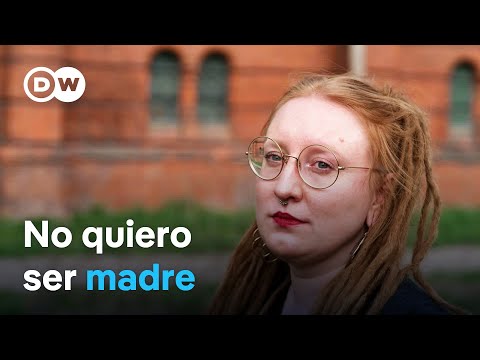
¡Niños, no, gracias! Por qué las mujeres no quieren tener hijos | DW Documental
The Decision to Sterilize
Initial Reactions and Societal Expectations
- An anesthetist expresses shock at a woman's decision to sterilize herself, questioning how her partner can allow it.
- The woman reflects on never feeling the need for children to feel complete, countering societal expectations of motherhood.
Personal Narratives and Choices
- Claudia shares that she has never doubted her choice not to have children, emphasizing personal fulfillment over traditional roles.
- Claudia enjoys time with her sister's children but has no desire for motherhood herself, highlighting differing life paths among women.
Reflections on Childhood Dreams
Contrasting Life Paths
- A conversation reveals childhood dreams of contrasting futures: one envisioned as a mother with many children, while the other pursued professional aspirations.
- The importance of happiness in one's choices is emphasized; both women acknowledge their decisions reflect their true selves.
Societal Pressures on Women
Expectations of Motherhood
- Both women discuss societal pressures regarding marriage and motherhood, illustrating the pervasive belief that being a woman equates to being a mother.
- Personal experiences reveal intrusive questions about marriage and childbearing from various individuals, including medical professionals.
Criticism and Judgment
Navigating Public Opinion
- Women face criticism regardless of their choices; early pregnancy is deemed too soon by some while others criticize parenting styles.
- Annika shares her experience seeking sterilization in Leipzig, facing ridicule from receptionists who dismiss her request based on age and lack of children.
Cultural Norms and Gender Roles
Historical Context
- Anica discusses growing up in conservative Bavaria where societal norms dictate women's roles primarily as mothers.
- The historical view that women's primary purpose is reproduction is examined, linking it to economic dependency on offspring.
Blame and Stigma Surrounding Childlessness
Social Consequences
- Women without children often face stigma or blame for marital issues; derogatory terms like "spinster" are still prevalent today.
Evolving Gender Roles
Work-Life Balance
- Discussion around women's dual roles as caregivers and workers highlights ongoing struggles for equality in domestic responsibilities.
Religious Influences on Motherhood Ideals
Cultural Impact
- Anica attributes entrenched views of motherhood partly to religious imagery surrounding women’s roles within society.
Diverging Paths Post-War Germany
Employment vs. Traditional Roles
- In East Germany (RDA), state policies encouraged female employment due to labor shortages, contrasting sharply with West Germany's traditional views.
Family Dynamics and Independence
Generational Perspectives
- Claudia reflects on her mother's struggle to understand her choice not to have children despite raising independent daughters.
Acceptance of Individual Choices
Supportive Relationships
- Paul supports Annika's decision against parenthood despite societal expectations; he finds fulfillment outside traditional family structures.
Modern Youth Perspectives
Changing Attitudes Towards Parenthood
- Many young people express reluctance towards parenthood due to current global challenges like climate change.
Research Findings
Reasons Behind Choosing Not To Have Children
- Sociologists find that modern women prioritize personal freedom over motherhood; key reasons include self-realization opportunities.
Addressing Societal Taboos
Study Insights
- Researchers highlight diverse reactions faced by women choosing not to have kids; they encounter both support and negative comments.
Economic Arguments Against Parenthood
Critique of Traditional Views
- Critics argue against having children solely for economic benefits like tax contributions; this perspective raises ethical concerns about future generations' responsibilities.
Obstacles in Seeking Sterilization
Medical Professionals’ Resistance
- Annika faces pushback from doctors when seeking sterilization; they question her commitment despite it being her body and choice.
Experiences with Healthcare Providers
Disparities in Treatment
- Paul’s experience contrasts sharply with Annika’s as he receives straightforward assistance regarding his vasectomy inquiry without judgment or scrutiny.
Success Stories Amidst Challenges
Positive Outcomes
- Some women successfully navigate healthcare systems for sterilization while others share frustrations about barriers faced during the process.
Advocacy for Women's Autonomy
Empowerment Initiatives
- Susane establishes an association advocating for women's rights regarding reproductive choices emphasizing autonomy over motherhood narratives.
Historical Context of Birth Control
Early Advocacy
- Julius Moses advocated birth control methods over a century ago stressing women's right over their bodies amidst social injustices affecting mothers.
Ongoing Stigmas
Contemporary Critiques
- Despite progress, modern women still face harsh judgments regarding their decisions not to bear children reflecting deep-rooted societal beliefs.
Pressure from Society
- . Women report pressure from friends, family, and medical professionals who believe they know better about reproductive choices than the individual woman does.
Conclusion: The Need for Change
- . Despite advancements toward gender equality, significant work remains concerning bodily autonomy—especially regarding reproductive rights such as abortion legality or voluntary sterilization options available today.
Turn any video into a summary like this
YouTube links, meetings, lectures. With transcripts, search, and chat.