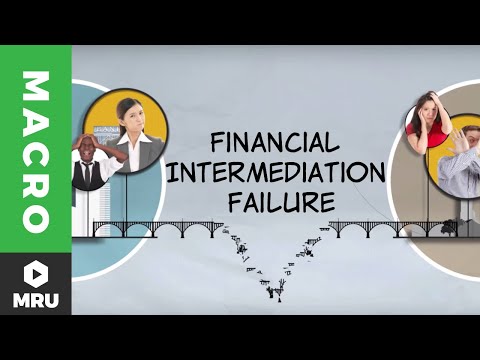
Costs of Inflation: Financial Intermediation Failure
Understanding the Costs of Inflation
The Impact of Unexpected Inflation
- Unexpected inflation complicates price signals, leading to confusion and mistakes in economic decision-making.
- For example, if a bank lends $100 at a 10% interest rate while inflation is also 10%, the real return for the bank becomes zero after one year.
- The formula for real interest rate: Real Interest Rate = Nominal Rate - Inflation Rate. This highlights how inflation erodes actual returns on loans.
Wealth Redistribution Due to Inflation
- Inflation tends to redistribute wealth from lenders to borrowers; this was evident during the high inflation rates of the 1970s in the U.S.
- Lenders adjust interest rates based on expected inflation; for instance, to achieve a real return of 5% with an expected 10% inflation, they must charge a nominal rate of 15%.
The Fisher Effect Explained
- Named after economist Irving Fisher, the Fisher Effect illustrates that nominal interest rates rise with increasing expected inflation.
- Historical data shows that as inflation peaked at around 15%, interest rates reached nearly 20%. Conversely, when inflation fell, so did interest rates.
Borrower vs. Lender Dynamics
- If borrowers take out mortgages expecting high wages due to anticipated high inflation but face lower actual wage growth, their financial burden increases significantly.
- When unexpected changes in inflation occur—high or low—it creates uncertainty that discourages both lending and borrowing activities.
Consequences of Unpredictable Inflation
- High volatility in inflation leads to fear among lenders and borrowers alike, disrupting financial intermediation—the process by which funds are transferred from savers to borrowers.
Turn any video into a summary like this
YouTube links, meetings, lectures — with transcripts, search, and chat.