Rubik's Cube: How to Learn the CFOP Speedcubing Method
Learning the C FOP Method for Speedcubing
Introduction to Speedcubing and C FOP Method
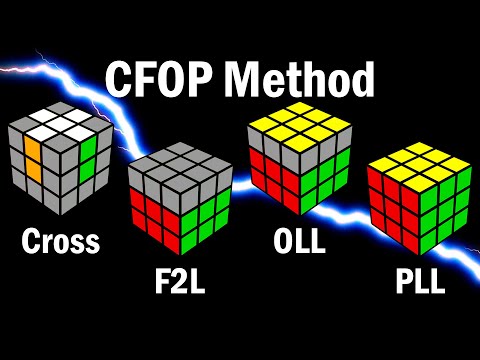
- Learning to become a speed cuber can be overwhelming due to the vast amount of knowledge required. The C FOP method consists of four main steps: Cross, F2L (First Two Layers), OLL (Orientation of Last Layer), and PLL (Permutation of Last Layer).
- While learners can approach these steps in any order, having a structured learning path is beneficial for beginners. The speaker shares a recommended order for mastering these steps.
Beginner Steps in C FOP
- The first step recommended is beginner F2L, which involves inserting both corner and edge pieces simultaneously after completing the cross.
- A key concept in this process is ensuring that the correct edge piece aligns with its corresponding corner piece during insertion.
Making the Cross Efficiently
- After mastering beginner F2L, learners should practice making the cross on the bottom of the cube instead of on top, as it simplifies visibility and efficiency.
- Basic strategies include directly placing edge pieces into their positions rather than moving them from their centers first.
Advanced Techniques for Cross Completion
- Once comfortable with basic techniques, learners can explore more advanced methods for completing the cross efficiently by recognizing patterns and using specific moves.
Learning OLL and PLL
- Next steps involve learning beginner OLL and PLL. Beginner OLL focuses on creating a uniform color on top while beginner PLL solves corners followed by edges using algorithms.
- Although learning algorithms may seem daunting at first, they are essential for progressing in speedcubing.
Transitioning to Advanced Techniques
- After mastering beginner techniques, learners can choose between advancing to advanced F2L or full PLL. Advanced F2L introduces pairing strategies not covered in beginner methods.
- Full PLL requires memorizing 21 algorithms but builds upon previously learned concepts.
Improving Efficiency Throughout Learning
- As learners progress through these stages, they should continuously work on improving their efficiency when making crosses by incorporating various tricks learned over time.
Example Application of Techniques
Speedcubing Techniques and Strategies
Importance of Dedicated Practice
- Mastering the cross in speedcubing requires dedicated practice; it's essential to focus on this step to achieve consistency.
- While F2L (First Two Layers) and PLL (Permutation of Last Layer) are more complex, they follow after establishing a solid foundation with the cross.
Advanced Techniques for Efficiency
- Learning advanced finger tricks is crucial alongside mastering F2L and PLL; these techniques enhance overall solving efficiency.
- Key finger tricks include U2 flicks and D moves with either hand, which can significantly reduce regrips during solves.
The Role of Finger Tricks
- Utilizing advanced finger tricks minimizes regrips, leading to faster execution of algorithms. For example, an efficient method avoids unnecessary regripping during F2L cases.
- Similar principles apply when executing PLL algorithms; maintaining grip can save time and improve performance.
Lookahead Strategy in F2L
- Before learning full OLL (Orientation of Last Layer), developing lookahead skills is vital. This involves being fluent in current F2L cases without conscious thought.
- Once proficient, cubers can anticipate upcoming pairs and transitions seamlessly, enhancing their solving speed.
Transitioning Between Steps
- Effective transition from cross to F2L requires planning during inspection time. This skill is challenging but essential for improving overall solve times.
- After mastering full OLL, cubers should explore additional algorithm sets like Winter Variation or VLS (Vandenbergh Last Slot), but prioritize foundational skills first.
Continuous Improvement Post-Full OLL
- Optimizing algorithms through better finger tricks or alternative methods is common as cubers refine their techniques over time.
- Reducing pauses between steps enhances fluidity in solving; however, this should only be pursued once basic skills are well established.
Conclusion