The Spanish War of Independence
The Spanish War of Independence: Causes and Consequences
Background and Prelude to War
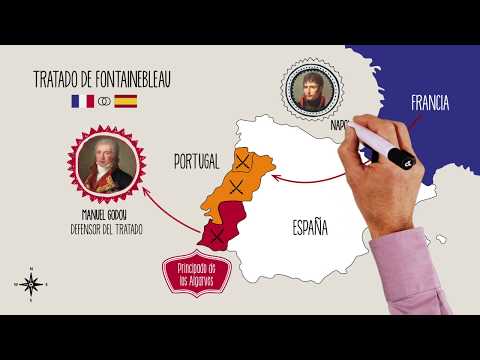
- The Spanish War of Independence began on October 27, 1807, with the Treaty of Fontainebleau allowing French troop passage through Spain to conquer Portugal, which resisted Napoleon's Continental System.
- Napoleon Bonaparte was declared Emperor of France in 1804; during this time, Charles IV ruled Spain but was more focused on personal interests than governance. His wife Maria Luisa and Prime Minister Manuel Godoy managed political affairs.
- Godoy's unpopularity stemmed from his rumored affair with Queen Maria Luisa and his support for the Treaty of Fontainebleau, which promised territorial gains for him after Portugal's invasion.
Political Turmoil and Abdications
- In March 1808, unrest led to the Mutiny of Aranjuez, resulting in Godoy's dismissal and Charles IV abdicating in favor of his son Fernando VII. This shift created a power vacuum exploited by Napoleon.
- By May 1808, under pressure from Napoleon, Fernando VII abdicated back to Charles IV who then renounced the throne entirely in favor of Napoleon’s brother Joseph I as king of Spain (Abdications of Bayonne).
- The war sparked internal divisions between the Afrancesados (supporters of Joseph I) advocating liberal ideas and Patriots opposing French occupation driven by nationalism.
Outbreak and Initial Uprisings
- The war officially erupted on May 2, 1808, with a widespread uprising in Madrid against French occupation; Marshal Murat threatened rebels with severe consequences.
- Following violent repression by French troops on May 3rd known as "the executions of the Third of May," Goya depicted these atrocities in his series “The Disasters of War.” Revolts spread across Spain leading to organized resistance through local Juntas.
Military Campaigns and Shifts
- Initially successful against the Grande Armée led by Napoleon at the Battle of Bailén, Spanish forces forced a French retreat towards the Pyrenees before facing setbacks later on. Napoléon regrouped his forces after arriving in Bayonne on November 2nd, 1808.
- The second phase saw a reversal where French dominance grew following defeats inflicted upon Anglo-Spanish armies at Talavera and Ocaña; Juntas retreated first to Seville then Cádiz as they lost ground against advancing French forces.
Conclusion: Impact and Aftermath
- On July 22, 1812, at the Battle of Salamanca near Arapiles hills south of Salamanca marked a turning point leading to significant losses for Napoleon’s army amidst growing guerrilla warfare supported by British and Portuguese allies.
- The Cádiz Cortes convened later that year initiating constitutional reforms culminating in the Spanish Constitution of 1812 ("La Pepa"), emphasizing national sovereignty and individual rights while marking an end to feudal privileges.
- Ultimately concluding with the Treaty of Valençay signed December 11th, restoring Fernando VII as king while signaling an end to old regime practices; economically devastating impacts were felt due to human losses and agricultural decline throughout Spain post-war period.