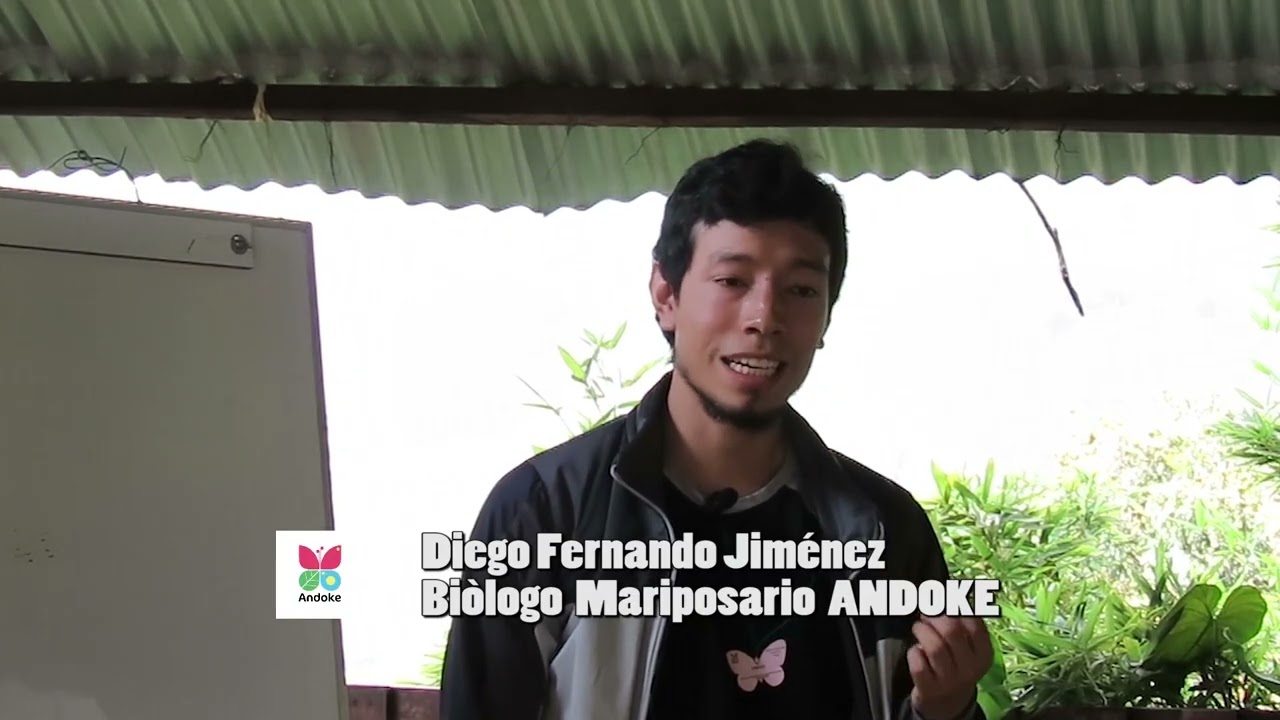
Modulo 1 Zoocriaderos de Mariposas Diurnas
Understanding the Concept of Mariposarios
Definition and Legal Framework
- The concept of a mariposario involves the maintenance, breeding, and utilization of wild butterfly species within a defined area for scientific, commercial, industrial, or subsistence purposes as outlined in Law 611 of 2000 Article 3.
Practical Considerations for Construction
- When constructing a mariposario, minimum standards must be considered regarding size and dimensions based on the intended species to be housed.
- A mariposario is an enclosed structure that may use various materials like mesh depending on specific construction needs and environmental conditions.
Biological Activities Within Mariposarios
- Inside a mariposario, biological activities occur where butterflies mate and lay eggs on plants; these eggs develop into caterpillars which are then nurtured to continue the production cycle.
Benefits of Establishing Mariposarios
Economic and Environmental Impact
- Establishing mariposarios can help farmers understand that forests represent unique ecosystems that can be conserved while providing income without destruction. This promotes environmental conservation practices over harmful ones like deforestation or pesticide use.
- The presence of butterflies contributes to natural pollination processes which enhance local agriculture through systems such as gardens and orchards. This also helps combat illegal insect trafficking and reduces extinction threats to many species.
Key Factors in Mariposario Construction
Initial Investment and Location
- The initial investment for creating a mariposario is relatively low; it requires simple equipment and locally available materials for construction. Understanding geographical location is crucial for determining site suitability (e.g., flat vs inclined terrain).
Climate Considerations
- It’s essential to consider climatic characteristics such as dry seasons versus rainy periods when planning a mariposario; microclimate factors should also be assessed to ensure optimal conditions for butterfly development.
Soil Composition and Inventory Management
Soil Analysis Importance
- Conducting soil studies prior to establishing a mariposario allows for informed decisions regarding plant species management based on their physical chemistry properties including pH levels. This ensures suitable growth conditions for both plants and butterflies.
Species Inventory Necessity
- Keeping an inventory of existing butterfly species in the area is vital before setting up a mariposario; this helps recreate their natural habitat effectively while determining how many different species will be managed within the facility.
Design Specifications for Mariposarios
Structural Recommendations
- Minimum structural specifications suggest an area of 6m x 4m with a height of at least 3.5m; avoiding right angles in design is recommended due to specific needs of different butterfly species.
Recommendations for Planting and Habitat Management
Importance of Plant Structure
- Avoid sharp corners that form 90-degree angles in planting areas to prevent issues with butterfly wings. Install mesh barriers in such cases to protect the butterflies and maintain healthy wing conditions.
- Organize plant species spatially, determining which will provide shade and serve as specific host plants, ensuring optimal placement within production areas.
Planning for Host Plants
- The area designated for host plants must be planned ahead, including an inventory of species and estimated timelines for growth based on whether they are grown from seedlings or cuttings.
- Consideration should also be given to nectar plants that will support larvae development; this includes planning for open fields and gardens based on local environmental characteristics.
Nursery Management
- A closed nursery environment is essential for reproducing and caring for host plants, which serve as food sources. Specific host plants should be isolated when working with particular butterfly species like Morfo.
- For example, if focusing on Morfo butterflies, it’s crucial to cultivate their specific host plants such as Macaerium or Maniforajero.
Laboratory Setup
- Laboratories must be equipped with shelves to store boxes containing eggs and jars with larvae. Daily sanitation is critical to prevent diseases caused by viruses or bacteria.
- Clearly mark waste disposal areas to manage organic compounds or non-viable chrysalises effectively.
Construction of Butterfly Cages
Cage Specifications
- Minimum requirements for constructing a butterfly cage include using tulle fabric or fine mesh, thin wooden rods, and wire supports. Standard dimensions are 80 cm x 80 cm x 1 m in height.
- Inside the cage, cross supports made from thin wood allow chrysalises to hang securely during their transformation process.
Transplanting Techniques
- The method of transplanting chrysalises can vary; it may involve manual techniques using silicone or wooden stakes secured with pins depending on the setup used in the nursery.
Nutritional Needs of Host Plants
Essential Growth Conditions
- Ensure proper drainage and irrigation systems are established where host plants are planted. Monitoring seed viability is crucial; establishing a seed bank helps track what is needed over time.
Cost Management
- Accurate calculations regarding plant needs over time help avoid losses at harvest while maintaining reasonable costs through effective technical support from horticulturists.
Types of Butterfly Farms
Breeding Considerations
- When breeding butterflies in captivity, consider ease of production cycles. Certain families adapt better than others once established.
Common Butterfly Families
- The three primary families commonly bred in captivity include Papilionidae (swallowtails), Nymphalidae (brush-footed), and Pieridae (whites). These belong under the superfamily Papilionoidea prevalent in Colombia's ecosystems.
Classification Insights
- Within these families, there are subdivisions that focus primarily on visually appealing traits such as size, shape, color patterns—important factors when selecting species for breeding programs.
Conclusion: Focus Areas
Turn any video into a summary like this
YouTube links, meetings, lectures — with transcripts, search, and chat.