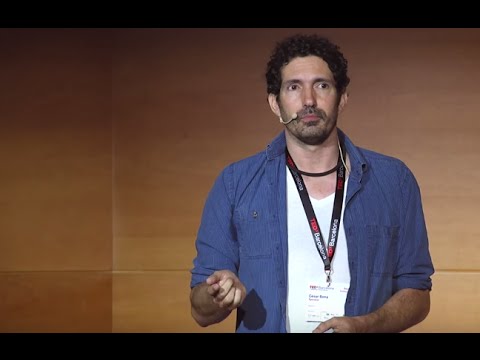
Los nuevos retos de la educación | César Bona | TEDxBarcelona
Introduction to Four Influential Teachers
The speaker reflects on the impact of four teachers in their life, two of whom influenced them during their childhood. One teacher, Don Dionisio, instilled a love for the Spanish language and a passion for reading. Another teacher, whose name is not mentioned, made the speaker hate mathematics but sparked an interest in Latin, Greek, and mythology.
The Influence of Don Dionisio
- Don Dionisio had the ability to control the entire class with just a movement of his eyebrow.
- He inspired the speaker to love the Spanish language and speak it properly.
- Thanks to him, the speaker developed a habit of reading books before going to sleep.
The Negative Impact of an Unnamed Teacher
- This teacher made the speaker despise mathematics for many years.
- However, this negative experience led the speaker to find solace in subjects like Latin, Greek, and mythology.
- The teacher's intense reaction upon catching a student cheating on a math exam left a lasting impression on the speaker.
Two Other Influential Teachers
- Two other teachers who were colleagues of the speaker also had a significant impact.
- These teachers served as role models for their passion and dedication to teaching.
- They inspired the speaker to aspire towards working with similar intensity and enthusiasm.
What Makes a Good Teacher?
The speaker reflects on their profession as a teacher and shares insights gained from being nominated for an award. They emphasize that all teachers should ask themselves important questions daily about how they can improve their practice. The key qualities discussed are vocational dedication and attitude.
Vocational Dedication vs. Attitude
- Many people believe that good teachers must have vocational dedication.
- However, according to the speaker, attitude is equally important because vocational dedication can fade due to life's challenges and disappointments.
- Attitude is crucial in inspiring and influencing students, making teachers examples for hundreds of children.
The Privilege of Teaching
- The speaker feels privileged when they enter the classroom, as it immerses them in a world of imagination and excitement.
- They believe that teachers have a great responsibility to educate with empathy, sensitivity, emotions, and respect.
- The speaker emphasizes that if society wants to improve, it must start with education.
Building Blocks of Education
The speaker uses the metaphor of building a pizza to discuss the essential elements of education. They highlight respect as the foundation and emphasize the importance of curiosity and creativity in learning.
Respect as the Foundation
- Respect is compared to the base or dough of a pizza.
- It forms the core value upon which all other subjects like English, math, and language are built.
Curiosity: A Lifelong Learning Tool
- Curiosity is an essential ingredient in education.
- People stop learning not because they grow older but because they lose their curiosity about the world around them.
Nurturing Creativity
- Creativity is another crucial aspect often neglected in traditional education systems.
- The speaker believes that forcing children to sit still for hours without allowing them to express their creativity is unnatural and counterproductive.
Fostering Creativity in Classrooms
The speaker shares an example from their teaching experience where they encourage creativity by allowing students to speak publicly about extraterrestrials. They also discuss how punishment should not be given for creative thinking.
Encouraging Public Speaking and Creativity
- On Mondays, the speaker invites students to stand on tables and give public speeches for one minute on various topics.
- One student creatively presented a coded speech using cut-out fragments to discuss extraterrestrial beings.
Appreciating Creative Problem-Solving
- The speaker commends the student's creativity and problem-solving skills in finding a unique way to present their speech.
- Instead of punishing the student, the speaker celebrates their creative thinking and considers it a valuable skill.
Enjoying Teaching and Job Satisfaction
The speaker reflects on their own enjoyment of teaching and asks the audience about their job satisfaction. They emphasize that while adults have the option to change jobs if they are unhappy, children do not have that choice.
Enjoyment in Teaching
- The speaker expresses their personal enjoyment and fulfillment in teaching.
- They ask the audience if they enjoy their own jobs, acknowledging that opinions may vary.
- While adults can seek alternative employment, children are dependent on teachers for 12-14 years.
The Responsibility of Teachers
- Teachers and parents play a crucial role as the primary support system for children.
- It is essential to provide them with an environment where they feel obligated to learn rather than forced.
Conclusion
The transcript highlights the influence of four teachers on the speaker's life, emphasizing both positive and negative impacts. It explores what makes a good teacher, focusing on vocational dedication and attitude. Additionally, it discusses respect as the foundation of education, encourages curiosity and creativity in classrooms, and emphasizes job satisfaction for teachers.
Importance of Listening to Children
This section emphasizes the importance of listening to children and highlights the valuable insights they can provide.
Listening to Children's Perspectives
- Listening to children allows us to hear their interesting thoughts and ideas.
- Getting to know the people who will spend a significant amount of time with us is crucial.
- The speaker shares a story titled "The Story of a Spit" that changed their perspective on education.
The Story of Sergio
- Sergio, a troublesome student, received a low grade on an exam.
- Instead of criticizing him, the speaker decided to listen and understand him better.
- They discovered Sergio's passion for writing stories and encouraged him to transform lessons into tales.
- As a result, Sergio excelled in other subjects and became happier.
The Story of Ivan
- Ivan struggled with speech difficulties but had immense potential within him.
- By providing tools and support, Ivan became a leader in an animal protection project run by children.
- He even spoke confidently in front of 400 people at a conference on children's rights.
Lessons Learned
- Each child is unique, and it is our responsibility as educators to adapt our approach accordingly.
- Children are full of creativity and curiosity; we must prioritize listening over lecturing.
- Education should focus on empathy, sensitivity, respect, and emotional intelligence.
The Role of Education in Shaping Future Generations
This section discusses the significance of education in shaping future generations' values and behaviors.
Impacting Future Leaders
- Our classrooms contain future leaders who will shape society's future.
- It is essential to educate children about empathy, respect, environmental consciousness, and happiness.
Returning Education to Its Rightful Place
- Education deserves more recognition for its importance in society.
- Collectively, we must prioritize education by instilling values and providing tools for children's happiness and success.
The transcript is in Spanish, so the headings and content have been translated into English.
Turn any video into a summary like this
YouTube links, meetings, lectures. With transcripts, search, and chat.