
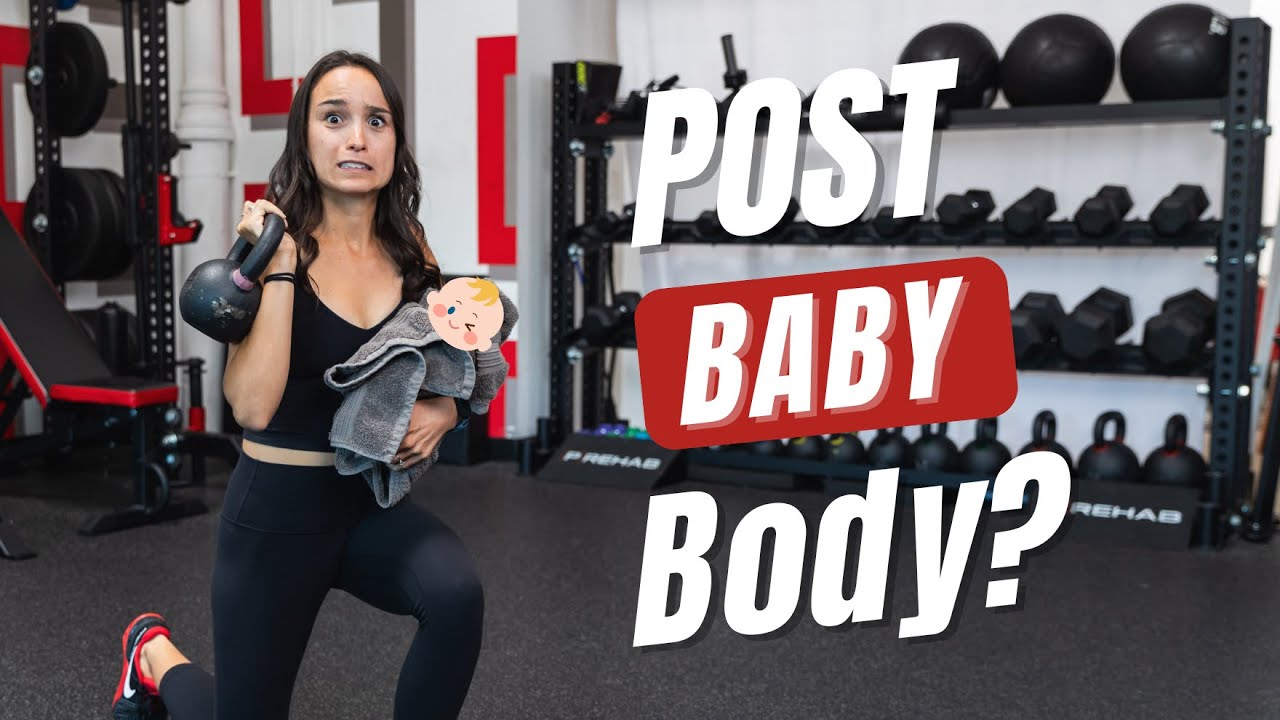
Safe Postpartum Exercises to Do!
Timestamps: 00:00 Intro 1:06 What to expect postpartum 2:41 What is the pelvic floor? 4:00 Exercises for diastasis recti 5:07 Exercises for the pelvic floor and diaphragm postpartum 6:14 Takeaways for pelvic floor exercises Curious about what exercises you should be doing postpartum? Join Lyndsay, pelvic floor specialist, as she discusses the anatomy of the pelvic floor, what we can expect in a postpartum journey, and a few exercises we can try to begin to regain our confidence with the return to activity postpartum. If you are looking for a program tailored towards your postpartum journey to get you feeling strong and confident, be sure to check out our Postpartum Rehab program through the [P]rehab App today! Get started with a free 7-day trial! -https://theprehabguys.com/program-postpartum/
Safe Postpartum Exercises to Do!
Introduction and Setting Expectations
Dr. Lauren Lius introduces Dr. Lindsay Provencio to discuss postpartum exercise and its challenges.
Understanding Postpartum Changes
- Dr. Lindsay highlights the common feelings of confusion, anxiety, excitement, and frustration among new moms post six-week follow-up appointments.
- Pregnancy changes lead to core separation (diastasis recti), incontinence, breast enlargement, and pelvic discomfort.
Preparing for Postpartum Exercise
Discussion on body changes during pregnancy and setting realistic expectations for postpartum exercise.
Body Changes During Pregnancy
- Pregnancy impacts include core separation (diastasis recti), incontinence, breast changes, and pelvic heaviness.
- Common symptoms like discomfort during intercourse can be addressed with physical therapy; these symptoms are common but not inevitable.
Challenges of Returning to Exercise Postpartum
Addressing common issues women face when resuming exercise after childbirth.
Common Postpartum Exercise Challenges
- Women may experience pubic symphysis pain, core weakness, incontinence, or back pain when restarting exercises post-birth.
- Emphasizes that while these challenges are common, they do not have to be considered normal; education is key to a successful return to activities.
Importance of Pelvic Floor in Postpartum Exercise
Exploring the role of the pelvic floor in postpartum recovery and exercise routines.
Significance of Pelvic Floor Muscles
- The pelvic floor supports organs related to urination, defecation, and sexual function; it collaborates with hip muscles for stability.
- Describes how the diaphragm-pelvic floor interaction manages intra-abdominal pressure during various activities like running or lifting weights.
Diastasis Recti Management Strategies
Discussing diastasis recti - abdominal muscle separation during pregnancy - and strategies for recovery through exercises.
Managing Diastasis Recti
- Diastasis recti results from abdominal muscle stretching during pregnancy; targeted exercises aid in tissue approximation post-delivery.
Pregnancy and Postpartum Recovery Insights
This section discusses the amazing aspects of pregnancy, the body's adaptability during and after pregnancy, common postpartum issues, and the importance of physical therapy and exercise in postpartum recovery.
Pregnancy Adaptability
- The body responds nicely to exercises and daily activities during pregnancy.
- Various activities like box squats, jumps at the gym, squats with toddlers or kettlebells are beneficial.
Postpartum Recovery
- Feelings of core weakness, incontinence, tailbone pain, pubic synthesis pain are common but not normal postpartum.
- Physical therapy and exercise can address these issues effectively.
Pelvic Floor Importance
- Pelvic floor, core, and diaphragm work together; breath work enhances their coordination.
- Pelvic floor should contract and relax effectively for optimal function.
Exercise Recommendations
- Focus on pelvic floor contraction and relaxation during exercises like box jumps.
- Relaxation is as crucial as contraction for pelvic floor health.
Postpartum Program Recommendation
- Consider trying the postpartum prehab program through the Prehab app for guided recovery.