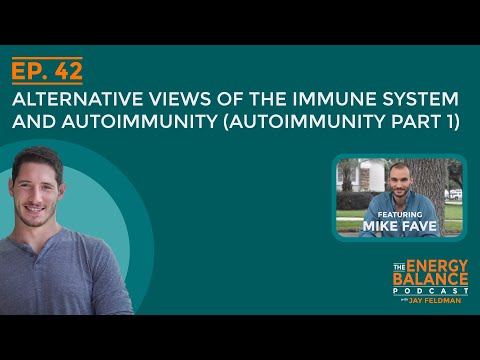
Ep. 42: Alternative Views of The Immune System and Autoimmunity (Autoimmunity Part 1)
Introduction to Autoimmunity and Energy Balance
Overview of the Podcast
- The Energy Balance Podcast, hosted by Jay Feldman and Mike Fave, focuses on living without hunger, cravings, fatigue, brain fog, poor sleep, and other low energy symptoms by maximizing cellular energy.
- This episode is part one of a series discussing autoimmunity from alternative perspectives and how to resolve autoimmune conditions through a bioenergetic approach.
Understanding Autoimmune Conditions
- Autoimmune conditions are increasingly common in modern society; estimates suggest that 5-10% of people in the U.S. are affected.
- Common autoimmune diseases include Hashimoto's hypothyroidism, rheumatoid arthritis, lupus, Crohn's disease, multiple sclerosis (MS), type 1 diabetes, psoriasis, eczema, Addison's disease, and ankylosing spondylitis.
Conventional Views on Autoimmunity
Mainstream Understanding
- The conventional view posits that the immune system mistakenly attacks its own tissues due to dysregulation or overactivity.
- This perspective leads to treatments focused on immunosuppression or symptom management rather than addressing underlying causes.
Limitations of Current Treatments
- Immunosuppressive medications can have severe side effects including increased susceptibility to infections and cancer while failing to treat root causes.
- Many conventional treatments do not effectively address tissue damage or improve long-term health outcomes for patients with autoimmune conditions.
Alternative Perspectives on Autoimmunity
Gut Health and Molecular Mimicry
- Alternative views emphasize gut health as crucial in managing autoimmune conditions; issues like intestinal permeability may lead to immune reactions against food proteins.
- The concept of molecular mimicry suggests that antibodies created against food proteins may mistakenly target similar structures in the body’s own tissues.
Dietary Approaches
- Popular dietary strategies include elimination diets aimed at avoiding inflammatory foods such as grains and dairy to reduce symptoms associated with autoimmunity.
Critique of Genetic Explanations
Genetic Factors vs. Environmental Triggers
- Critics argue that attributing rising autoimmune rates solely to genetics fails to account for environmental factors contributing to this increase over generations.
Importance of Addressing Underlying Issues
- Unlike mainstream approaches which often rely on expensive drugs with harmful side effects, alternative views advocate for addressing gut health and dietary triggers as viable treatment options.
Dietary Approaches to Autoimmune Diseases
Low Starch and Low Linoleic Acid Diets
- Dr. Alan Erbringer's low starch diet for ankylosing spondylitis has shown success, alongside Dr. Terry Wahls' MS protocol which incorporates a low linoleic acid diet.
- Both diets emphasize microbiome modulation and nutrient-dense food consumption, leading to significant improvements in autoimmune conditions like MS.
Impact of Autoimmune Diseases
- Many viewers may be interested due to personal experiences with autoimmune diseases, which can be debilitating, especially in advanced stages.
- Conditions such as Crohn's disease and ulcerative colitis can lead to severe symptoms like frequent bloody diarrhea, impacting quality of life significantly.
Understanding Disease Progression
- Autoimmune diseases like multiple sclerosis and ankylosing spondylitis cause progressive loss of function and mobility due to inflammation.
- The potential for dietary modifications offers an alternative to medications that carry risks of serious side effects, including cancer.
Evidence Supporting Dietary Changes
- Anecdotal evidence supports the effectiveness of dietary changes in managing autoimmune diseases; research is beginning to validate these claims.
- The gut's role is crucial in understanding autoimmunity; theories such as molecular mimicry highlight the connection between gut health and immune responses.
Alternative Views on Immunity
Immune System Functionality
- The discussion introduces alternative views on how the immune system operates, particularly focusing on morphostasis and danger theory.
- These theories suggest that immune responses are not solely based on self versus non-self recognition but also involve systemic health factors.
Gut Health Considerations
- Leaky gut syndrome contributes to systemic issues by allowing toxins into circulation; addressing this requires a holistic approach rather than just avoiding certain foods or supplements.
Challenges with Current Approaches
Limitations of Conventional Treatments
- Overemphasis on leaky gut leads many patients towards extreme dietary restrictions (e.g., low-carb diets), potentially neglecting beneficial foods like dairy and eggs.
Supplementation Issues
- Patients often resort to various supplements without addressing underlying issues; some may exacerbate problems like small intestinal bacterial overgrowth (SIBO).
Exploring Triggers of Autoimmunity
Chasing Triggers
- There’s a tendency among patients to chase down every possible trigger for their autoimmune state, from mold exposure to nutrient deficiencies.
Bioenergetic Perspective
- A bioenergetic view suggests that many triggers can be managed if overall energy systems are functioning well rather than isolating specific factors.
Molecular Mimicry Theory Critique
Antibody Persistence
- If antibodies target healthy tissue due to molecular mimicry, fixing leaky gut does not necessarily stop autoimmune conditions since memory cells remain active against self-tissue.
Inflammatory Response Necessity
- An important point raised is that antibody production requires an inflammatory response; simply having antibodies does not equate immunity or protection against pathogens.
Alternative Models of Immune Response
New Perspectives on Self vs Non-Self
- Researchers propose models where immune responses are triggered by energy failures or structural damage rather than strictly distinguishing between self and non-self entities.
Danger Theory Insights
- Polly Matzinger’s danger theory posits that the immune system responds primarily to perceived dangers rather than merely foreign invaders. This shifts focus from traditional antigen recognition models.
Conclusion & Future Discussions
- The series will continue exploring how these alternative views translate into practical approaches for managing autoimmune conditions through diet, nutrition, supplements, and lifestyle adjustments.
Turn any video into a summary like this
YouTube links, meetings, lectures. With transcripts, search, and chat.