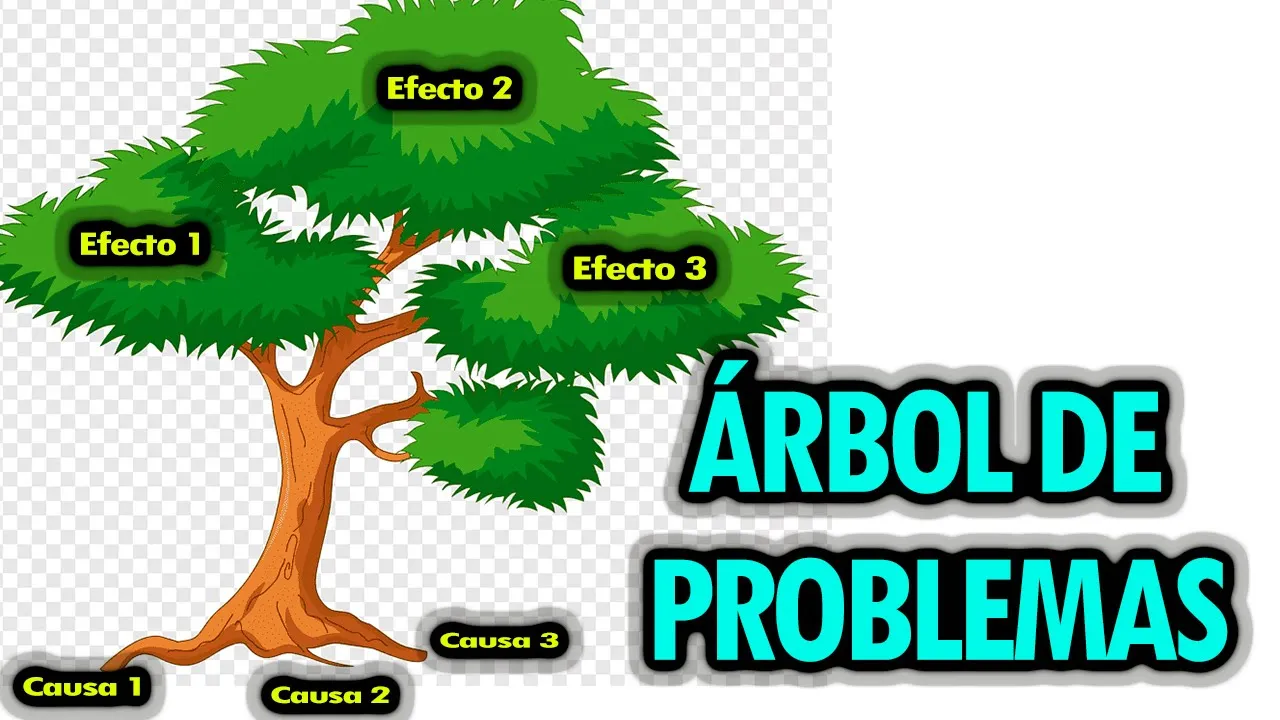
¿CÓMO HACER UN ÁRBOL DE PROBLEMAS? DEFINICIÓN, PASOS, ESTRUCTURA Y EJEMPLO
Understanding the Problem Tree
What is a Problem Tree?
- A problem tree is a project planning tool that helps identify and define a problematic situation or need, along with its causes and effects in an organized manner.
- It visually represents the structure of a problematic situation, allowing students to have a structured understanding of unsatisfied needs and rational insights into their origins.
Characteristics of Problems
- A problem is characterized as an inconvenience or negative state that cannot be resolved independently by those affected; it requires intervention from knowledgeable individuals.
- Problems can arise from the lack of something beneficial or the presence of something harmful, and they may also stem from missed opportunities for development.
- The problems addressed must be real and existing rather than hypothetical; thus, constructing a problem tree on imaginary issues is not valid.
Steps to Create a Problem Tree
- Identify Main Problems: Use brainstorming techniques to pinpoint key issues related to the problematic situation. Two main problems can be selected for further analysis.
- Formulate Central Problem: Clearly articulate the central problem identified in concise terms.
- List Causes: Document the reasons behind the central problem, detailing what leads to its existence.
- Note Effects: Identify and record the consequences resulting from the central problem's existence.
- Create Structure: Develop a diagram that illustrates causal relationships within the identified problems, showing specific causes and effects clearly laid out like branches of a tree.
- Review Logic & Integrity: Ensure that the entire scheme maintains logical coherence and integrity, as this will underpin project sustainability moving forward.
Structure of a Problem Tree
- The core issue sits at the center (the trunk), while causes are represented as roots below it, and effects are depicted as fruits above it in this metaphorical representation of relationships between elements involved in addressing problems effectively.
Example Application
- An example discussed involves identifying low sales in a café as a primary issue through participatory engagement with stakeholders involved in that context (e.g., employees). The main causes include poor product quality, lack of awareness about the café, and high competition nearby.
Understanding Problem Trees in Business
Introduction to the Problem Tree Concept
- The discussion revolves around a recent entrepreneurial venture, specifically a café that lacks recognition and positioning in the market.
- It highlights three causal factors leading to customer dissatisfaction: low product quality, potential loss of customers, and decreased market participation.
Effects of Identified Problems
- The "problem tree" method is introduced as a tool for visualizing the problematic situation, capturing its causal structure, and identifying causes and effects.
- A structured understanding of the problem allows for clearer connections between issues, their causes, effects, and consequences.
Recommendations for Effective Problem Identification
- Emphasizes that problems should be viewed as existing negative states rather than mere absences of solutions; for example, low sales should be identified as a real issue.
- Stresses the importance of focusing on one central problem within the problem tree technique to ensure clarity and consensus among all project stakeholders.
Conclusion