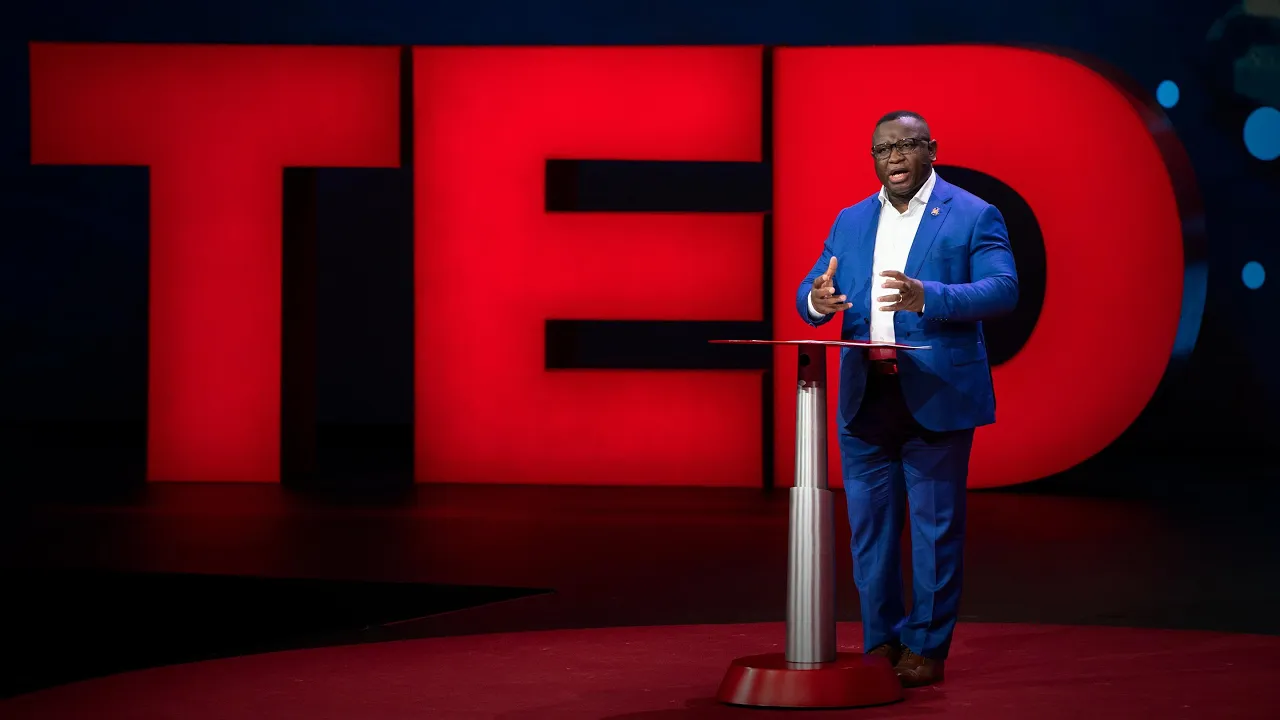
A vision for the future of Sierra Leone | Julius Maada Bio
Sierra Leone's Journey: From Military Rule to Democratic Leadership
The Rise to Power
- On January 16, 1996, the speaker entered the presidency of Sierra Leone as a military leader, having not been elected.
- The initial coup aimed to overthrow a corrupt dictatorship that had ruled for over 25 years; it was met with public support rather than violence.
- Despite being part of a military government, there was an ongoing commitment to return the country to democratic civilian rule.
- After four years without elections and growing public disillusionment, another bloodless coup was staged against their own head of state.
- At just 31 years old, the speaker felt invulnerable in power but recognized obligations to address national issues.
Diplomatic Efforts and Peace Initiatives
- Millions were displaced due to war; thus, diplomatic efforts were initiated with rebel leaders for peace talks.
- A national consultative conference was held with civil society organizations to discuss future directions for Sierra Leone.
- Organized multiparty elections after nearly three decades and handed over power peacefully before leaving for further studies in the U.S.
- Reflections on leadership continued even after returning as president in April 2018.
Vision for Future Generations
- The speaker emphasizes the importance of improving lives for young citizens like his daughter Amina during his presidency.
- Leadership is framed as creating possibilities that empower youth and encourage them to take ownership of their future.
Economic Challenges and Human Capital Development
- Addressing unique challenges faced by Sierra Leone includes overcoming poverty despite abundant mineral resources and foreign aid history.
- The key focus is on human capital development as essential for national progress; enhancing youth potential is crucial for transformation.
Engaging Youth in Governance
- Young people expressed feelings of disconnection from political leadership; engaging them became a priority post-election.
- Appointed bright young leaders into significant roles aiming at realizing a shared vision for transforming Sierra Leone’s governance structure.
Sierra Leone's Vision for Education and Development
Leadership and Innovation in Sierra Leone
- A young leader transitioned from IBM to head the Directorate of Science, Technology, and Innovation, showcasing a commitment to innovation within the government.
- The new Ministry of Planning and Economic Development produced the "Education For Development" plan, which organizes national development needs into understandable clusters for better budgeting and progress measurement.
Addressing Educational Challenges
- Highlighted that three out of five adults in Sierra Leone are illiterate; many children dropped out due to unaffordable school fees.
- Introduced a policy for free, quality education for all children regardless of gender or background as a solution to educational inequity.
Overcoming Financial Barriers
- Despite initial financial constraints and skepticism from political opponents, the vision for free education persisted.
- Emphasized that investing in human capital through education and healthcare is essential for national development.
Implementation of Free Education Program
- After addressing corruption and financial mismanagement from previous administrations, a successful launch of the free education program occurred four years later.
- Currently, two million children benefit from this initiative with 21% of the national budget allocated to support it.
Future Aspirations and Leadership Philosophy
- Initiatives include providing teaching materials, safe spaces for girls, school feeding programs, and scholarships for women pursuing STEM fields.
- The goal is to cultivate a healthier, educated workforce capable of driving economic diversification in sectors like tourism and renewable energy.
Vision for National Growth
- The speaker believes that empowering youth through education will attract investments across various sectors.
- Leadership involves listening empathetically to innovative ideas from younger generations while fostering an environment where their aspirations can flourish.
Building Hope for Future Generations
- Advocated redefining Sierra Leone’s identity away from past stigmas towards one filled with hope and opportunity.
Turn any video into a summary like this
YouTube links, meetings, lectures. With transcripts, search, and chat.