The clues to a great story | Andrew Stanton | TED
The Art of Storytelling
Introduction to the Story
- A tourist in a Scottish pub encounters an old man who boasts about his craftsmanship, highlighting his work on the bar, stone wall, and pier.
- The old man's humorous punchline reveals societal perceptions, emphasizing that despite his hard work, he is only remembered for a scandalous act.
The Importance of Storytelling
- Storytelling is equated with joke-telling; it requires knowing the punchline and leading the audience toward a meaningful conclusion.
- Stories transcend time and connect people by revealing shared human experiences. They affirm our existence and provide meaning to our lives.
Emotional Engagement in Stories
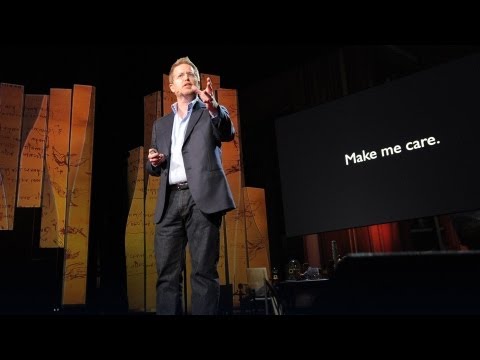
- The key commandment of storytelling is "Make me care," which emphasizes emotional engagement as essential for capturing attention.
- The speaker reflects on their journey into storytelling, linking it to their recent film project "John Carter," based on Edgar Rice Burroughs' work.
Promises in Storytelling
- Good stories make promises at the beginning that ensure they are worth the audience's time. This promise can be conveyed through various narrative techniques.
- Using a narrator creates intimacy with the audience, inviting them into the story like sharing around a campfire.
Engaging Audiences Through Challenge
- Effective storytelling involves creating challenges for audiences to solve; this keeps them engaged without realizing they are working for understanding.
- Audiences naturally want to deduce information; storytellers should craft narratives that allow them to piece together clues rather than providing everything outright.
The Unifying Theory of Two Plus Two
- The concept of "two plus two" encourages audiences to actively participate in constructing meaning from what they see and hear in stories.
Character Development and Storytelling Insights
The Concept of Character Spine
- Judith Weston, an acting teacher, emphasizes that well-drawn characters possess a "spine," which is their inner motor or dominant unconscious goal.
- Michael Corleone from "The Godfather" exemplifies this concept; his spine was to please his father, influencing all his choices even after the father's death.
- Other examples include Wall-E's quest for beauty, Marlin's desire to prevent harm in "Finding Nemo," and Woody's aim to do what’s best for his child.
Understanding Temperament and Growth
- The speaker reflects on parenting, asserting that individuals are born with certain temperaments that shape their behavior.
- Acknowledging one's driving forces is crucial for personal growth; maturity involves recognizing these influences and steering them effectively.
- Change is fundamental in storytelling; static narratives fail because life itself is dynamic.
Anticipation and Uncertainty in Drama
- William Archer defines drama as "anticipation mingled with uncertainty," highlighting the importance of creating tension in storytelling.
- Effective stories build both short-term anticipation (e.g., Dory’s memory issues in "Finding Nemo") and long-term global tensions (e.g., finding Nemo).
Pixar's Early Storytelling Challenges
- In 1993, Pixar aimed to redefine animation storytelling against prevailing norms established by Disney classics like "The Little Mermaid."
- Initially resistant to conventional elements such as songs or love stories, Pixar faced challenges when their story wasn't working, leading Disney to seek external advice.
Lessons Learned About Character Likability
- To make a selfish character likable (like Woody), they must exhibit kindness or humor while maintaining specific conditions (e.g., being the top toy).
- This reflects a broader truth about human behavior: people often act conditionally based on whether certain expectations are met.
Discovering Themes Through Film
- The speaker recounts how watching "Lawrence of Arabia" multiple times revealed deeper themes within its narrative structure.
Who Are You? Exploring Identity Through Storytelling
Thematic Exploration of Identity
- The central theme revolves around the question "Who are you?" which serves as a guiding principle throughout the narrative, reflecting the protagonist's quest for self-discovery.
- The film presents seemingly unrelated events that collectively chronicle the character's history, emphasizing how every action is an attempt to find one's place in the world.
The Magic Ingredient: Wonder
- A pivotal moment from childhood introduces the concept of wonder as a crucial element in storytelling, often overlooked yet essential for engaging narratives.
- Wonder is described as an honest and innocent feeling that cannot be artificially created; it evokes a deep emotional response that connects individuals on a cellular level.
- When artists inspire wonder in others, it creates a compelling urge to share that experience, reinforcing the idea of reciprocity in storytelling.
Personal Reflection and Resilience
- A personal anecdote reveals early life challenges faced by the speaker, including being born premature and overcoming significant health issues, which shaped their identity.
- This experience instilled a sense of purpose and determination to live up to the second chance at life they were given.
Lessons from Storytelling
Transforme qualquer vídeo em um resumo como este
Vídeos do YouTube, reuniões, aulas. Com transcrição, busca e chat.