9: Pirstoutunut maailma
The Impact of Habitat Fragmentation on Biodiversity
Understanding Habitat Fragmentation
- Habitat loss and fragmentation pose significant threats to biodiversity, breaking up uniform habitats into smaller, isolated areas surrounded by unsuitable environments.
- Human activities are primary drivers of habitat fragmentation; research focuses on how communities and populations adapt to these fragmented landscapes.
Effects of Fragmentation
- Distinguishing between the effects of total area loss and fragmentation is challenging; often, a decrease in habitat area correlates with reduced quality.
- Both factors contribute to declines in species numbers and individual counts, as distance between habitats can hinder movement and increase mortality risks during transit.
Consequences for Species Survival
- In extreme cases, individuals may refrain from moving due to increased risks, leading to inbreeding within small populations which diminishes species success.
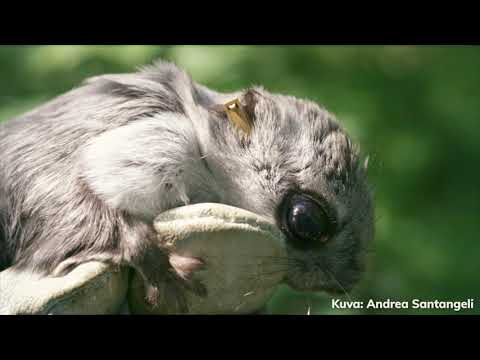
- The flying squirrel in Finland exemplifies this issue; its population has declined due to habitat loss from agriculture and infrastructure development.
Adaptations and Limitations
- Some species naturally thrive in fragmented habitats (metapopulations), like the Glanville Fritillary butterfly studied in Åland, which relies on specific dry meadows for survival.
- Despite adaptations, excessive fragmentation eventually challenges even resilient species like the Glanville Fritillary.
Climate Change Implications
- As climates warm, many species are shifting northward; however, habitat fragmentation complicates their ability to migrate effectively.
- If new suitable areas are too distant or difficult to access due to fragmentation, many species struggle to adapt or relocate.
Conservation Strategies
- Addressing these challenges requires innovative solutions such as creating environmental corridors that connect fragmented habitats or relocating individuals.
- Specific conservation measures—like preserving trees in clearings—have shown promise for recovering flying squirrel populations but more efforts are necessary.
Future Directions for Biodiversity Protection
- Successful strategies include designing effective highway crossings for various species. Future discussions will focus on broader actions needed for biodiversity preservation.