¿Qué es la comunicación? Proceso y elementos de la comunicación 🗣
Communication Process Overview
Elements of Communication
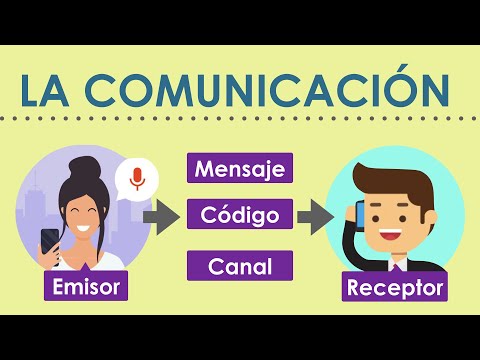
- The communication process involves an emisor (sender) and a receptor (receiver), where the sender transmits a message through a specific channel.
- Key elements required for communication include:
- Emisor: The person sending the message.
- Mensaje: The information being conveyed.
- Receptor: The individual receiving the message.
- Canal: The medium used to send the message, such as letters, phone calls, or television.
- Código: The language or symbols used to create the message.
Analyzing Communication Situations
- Example of news broadcasting:
- Emisor: News presenter
- Código: Spanish language (oral)
- Mensaje: News report about Gabriel García Márquez winning a Nobel Prize
- Canal: Television
- Receptor: Viewer
- Example of reading a newspaper:
- Emisor: Journalist
- Código: Written Spanish
- Mensaje: Article about astronauts' historic journey to the moon
- Canal: Newspaper
- Receptor: Reader
- Example of road signs:
- Emisor: Traffic worker/agent
- Código: Symbol representing traffic sign
- Mensaje: Instruction to stop or yield
- Canal: Visual signals
- Receptor: Driver
Personal Communication Examples
- Example of receiving a letter:
- Emisor: Cousin
- Código: Written Spanish
- Mensaje: Greetings from cousin ("Dear cousin, I write to greet you")
- Canal: Letter
- Receptor: Cousin
- Classroom scenario:
- Emisor: Teacher
- Código: Oral Spanish
- Mensaje:** Explanation about invertebrate animals**
– Canal:** Air (spoken communication)**
– Receptor:** Student**
Non-Verbal and Verbal Communication
- Another example includes using sign language:
– Emisor:** Mother**
– Código:** Sign language**
– Mensaje:** "I love you"**
– Canal:** Visual**
– Receptor:** Child**
- Friends communicating via chat:
– Emisor:** Friend**
– Código:** Written Spanish and emoticons**
– Mensaje:** "Hello"**
– Canal:** Mobile phone and internet**
– Receptor:** Friend**
Importance of Communication