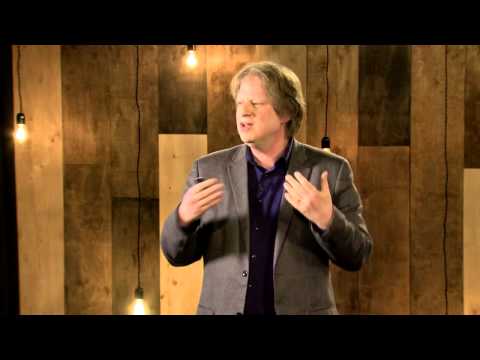
Paul Bloom: Can prejudice ever be a good thing?
Understanding Prejudice and Bias
The Nature of Prejudice
- Prejudice is often viewed as a result of ignorance, as stated by William Hazlitt: "Prejudice is the child of ignorance."
- The speaker argues that prejudice and bias are natural, rational, and sometimes moral, which can help us understand their negative consequences better.
Stereotyping as a Cognitive Process
- Stereotyping allows individuals to make judgments based on limited information about others' ethnicity, political affiliation, or beliefs; these judgments are often accurate.
- Our ability to stereotype stems from our experiences with categories in the world; this skill is essential for survival.
The Role of Bias in Group Dynamics
- Bias can lead to an "us versus them" mentality; while some may feel ashamed of this division, others take pride in it.
- An example from a Republican debate illustrates how people prioritize their own country's needs over foreign aid due to feelings of loyalty and patriotism.
In-group vs. Out-group Dynamics
- People generally favor their own ethnic or national groups; even cosmopolitan individuals acknowledge some level of preference for close friends and family.
- This distinction between in-groups and out-groups is natural but can lead to problematic outcomes.
Henri Tajfel's Research on Prejudice
- Henri Tajfel's background as a Jewish individual during WWII influenced his interest in studying prejudice scientifically.
- Tajfel challenged the notion that the Holocaust was solely due to German flaws; he argued it reflected normal psychological processes present in everyone.
Experimental Insights into Group Behavior
- In his studies with British adolescents, Tajfel found that arbitrary group divisions led participants to favor their own group when distributing resources.
Understanding In-Group Bias and Its Implications
Early Signs of In-Group Preference
- Research by Karen Wynn at Yale shows that babies exhibit preferences for puppets based on food tastes, favoring those with similar preferences.
- Babies not only prefer puppets with the same tastes but also show a tendency to favor puppets that punish those with different tastes, highlighting early in-group/out-group dynamics.
Stereotypes and Their Consequences
- Stereotypes can be both rational and irrational; they often lead to immoral outcomes, particularly regarding race.
- A study before the 2008 election revealed that Barack Obama was perceived as less American than John McCain and even Tony Blair, largely due to racial biases.
Real-World Impact of Racial Biases
- An eBay study demonstrated that baseball cards held by black hands received significantly lower bids compared to identical cards held by white hands.
- Research from Stanford indicated a higher likelihood of execution for individuals who appear more prototypically black when convicted of murdering a white person.
Combating Bias Through Empathy
- To counteract biases, appealing to emotional responses through storytelling is effective. For example, books aimed at children can shape their views on nontraditional families.
- Stories help transform anonymous individuals into relatable figures, fostering empathy. Historical quotes emphasize the importance of focusing on individual stories over statistics.
The Role of Media in Shaping Attitudes
- "Uncle Tom's Cabin" is cited as a significant work that helped people empathize with slaves during the Civil War era.
- Television shows like "The Cosby Show" and "Will and Grace" have been influential in changing societal attitudes towards African-Americans and LGBTQ+ communities respectively.
Reason vs. Emotion in Moral Decision-Making
- Steven Pinker discusses how moral obligations are often grounded in an understanding of human rights rather than love or affection towards others.
Understanding Human Empathy and Rationality
The Dilemma of Indifference to Suffering
- Adam Smith prompts us to consider our emotional responses to distant tragedies, such as the death of thousands in unfamiliar countries like China or India. He questions how we would react.
- In contrast, he highlights a personal loss—like losing a little finger—which would evoke a much stronger emotional response, illustrating the disparity between distant suffering and personal pain.
- This leads to a moral inquiry: Would one sacrifice many lives to save their own minor injury? Smith suggests that most would find this thought horrid, raising questions about human empathy.
The Principle of Impartiality
- Smith introduces the concept of impartiality, stating that reason and conscience can elevate our feelings beyond selfishness. We are reminded that we are part of a larger community.
- This principle is echoed across various religions and moral philosophies, all advocating for an impartial perspective when judging morality.
- A cultural reference from Humphrey Bogart in "Casablanca" encapsulates this idea: individual problems seem insignificant compared to broader societal issues.
Reason Over Passion
- Our rational faculties can help us override base instincts and emotions. They inspire actions like writing or reading impactful literature (e.g., "Uncle Tom's Cabin") and establishing laws that govern behavior.
- Constitutions serve as historical agreements binding present actions; they prevent society from reverting to harmful practices despite popular support for them.
Addressing Bias in Decision-Making
- Human biases affect judgments regarding race, gender, and attractiveness in professional settings. While some may accept these biases as natural, others recognize them as unjust.
- To combat bias effectively, systems are established (e.g., blind auditions for orchestras), ensuring decisions are based solely on merit rather than irrelevant factors.
Dual Nature of Humanity
- The discussion illustrates the duality within human nature: instinctual emotions versus rational deliberation. Both aspects influence our decisions positively or negatively.
Turn any video into a summary like this
YouTube links, meetings, lectures. With transcripts, search, and chat.