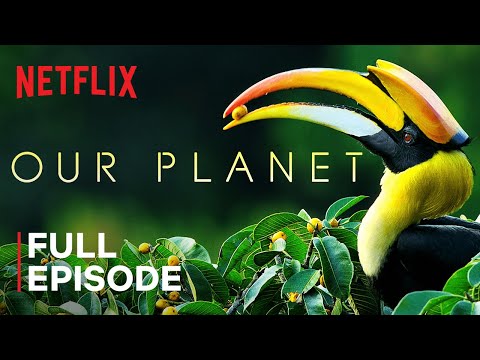
Our Planet | Forests | FULL EPISODE | Netflix
Exploring the Boreal Forest and Redwood Forest
The video delves into the significance of forests, particularly focusing on the boreal forest in Russia and the redwood forest in western Alaska. It highlights the importance of these ecosystems for various species and their role in climate change mitigation.
The Vital Role of Forests
- Forests possess remarkable resilience, with the ability to recover even after significant destruction.
- The Siberian tiger's survival depends on vast forest areas for hunting, emphasizing the critical interdependence between predators and their habitats.
- Salmon migration from rivers to forests represents a crucial nutrient transfer, sustaining various predators like bald eagles.
Environmental Significance
- The boreal forest stores over 40% of the world's carbon, playing a crucial role in combating climate change.
- Post-fire regeneration showcases nature's resilience as new growth emerges swiftly after apparent devastation.
Life Cycles in Nature: Newts and Redwoods
This segment explores the life cycles within the redwood forest ecosystem, focusing on rough-skinned newts and their breeding habits alongside the regenerative capacity of redwoods post-fire.
Intriguing Life Cycles
- Male rough-skinned newts embark on challenging journeys to reach breeding pools, engaging in fierce competition for mating opportunities.
- After wildfires, rapid regeneration occurs as flowers and tree seedlings emerge from scorched landscapes due to fire-induced germination processes.
Resilience Amidst Adversity
The Interdependence of Forests and Animals
This section explores the essential interdependence between forests and animals, highlighting how various species play crucial roles in maintaining the health and balance of ecosystems.
The Role of Animals in Forest Recovery
- Natural resilience is vital for forest health.
- In India's Western Ghats, animals like lion-tailed macaques aid in seed dispersal by consuming fruits from diverse tree species.
- Monkeys like great hornbills contribute to long-distance seed distribution through their feeding habits across the Western Ghats.
- Great hornbills play a significant role in spreading seeds of various trees throughout the Western Ghats, benefiting both parties.
- Competition among hornbills for fig trees leads to intense interactions that may serve purposes beyond mere food acquisition.
Ecosystem Dynamics: Miombo Forest vs. Madagascar
Contrasting the Miombo forest in Africa with Madagascar's unique ecosystem, this section delves into how different environments shape animal behavior and ecosystem functions.
Miombo Forest: Adaptations and Interactions
- The Miombo forest spans over a thousand miles across Africa, attracting diverse wildlife during dry seasons.
- Elephants and mopane worms are key players in the Miombo ecosystem, influencing vegetation dynamics through browsing and feeding patterns.
- Mopane worms' voracious feeding leads to defoliation but triggers regrowth cycles beneficial for elephants' dietary needs.
- Despite destructive impacts, caterpillars contribute to forest regeneration by prompting new leaf growth that sustains elephant populations.
Madagascar's Unique Biodiversity
- Madagascar hosts unique flora and fauna due to its long isolation, with lemurs playing a critical role in tree survival within its specialized forests.
- Baobabs dominate Madagascar's landscape, reflecting millions of years of evolutionary divergence on the island.
The Interconnectedness of Ecosystems
This section explores the intricate relationships within ecosystems, focusing on the impact of top predators on other species and the ecosystem's resilience.
The Role of Top Predators
- Top predators influence the behavior of other animals in the ecosystem.
- Female fossas consume sugar drops efficiently to sustain themselves.
- Challenges arise for male fossas waiting for mating opportunities due to environmental changes.
Impact of Human Activities on Biodiversity
This segment delves into the detrimental effects of human actions on biodiversity, particularly in Madagascar, leading to a decline in fossa populations.
Human Impact on Fossa Population
- Deforestation by humans has caused a significant decrease in fossa numbers.
- Madagascar's forests have drastically reduced due to human activities.
Resilience of Forest Ecosystems
The discussion shifts towards highlighting the remarkable resilience of forest ecosystems, exemplified by Chernobyl's recovery post-nuclear disaster.
Chernobyl as a Case Study
- Despite the Chernobyl disaster, vegetation and wildlife began reappearing within a decade.
- Animals thrived in Chernobyl, showcasing nature's ability to rebound even after catastrophic events.
Forests as Agents of Recovery
Emphasizing the pivotal role forests play in restoring biodiversity and combating climate change for a sustainable future.
Forest Restoration Importance
- Forest regeneration can revitalize ecosystems and support diverse plant and animal communities.