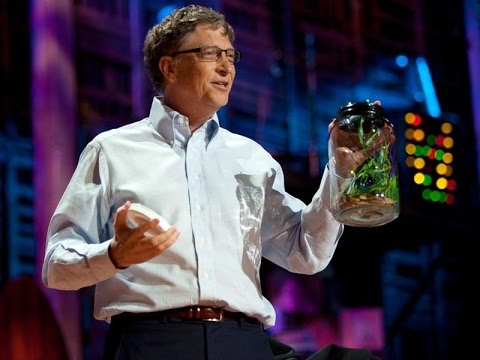
Innovating to zero! | Bill Gates
Energy and Climate Discussion
In this section, Bill Gates discusses the critical importance of energy and climate issues, particularly for the world's poorest populations.
Energy's Impact on Poverty
- Energy and climate are crucial for the poorest populations due to their reliance on agriculture and vulnerability to climate changes.
- Lowering energy prices is key to reducing poverty significantly.
Historical Perspective on Energy
- The role of energy in advancing civilization through history, from the coal revolution to modern electricity.
CO2 Emissions and Climate Change
- The impact of CO2 emissions on global warming and its severe consequences on weather patterns and ecosystems.
- The necessity of reducing CO2 emissions to zero to prevent further temperature rise.
Factors Affecting CO2 Emissions
Bill Gates breaks down the four main factors influencing CO2 emissions reduction.
Population Growth
- Exploring population growth trends globally and its impact on CO2 emissions.
Consumption Patterns
- Discussing how services used by individuals contribute to CO2 emissions.
Energy Efficiency
- Highlighting the importance of improving energy efficiency in various services to reduce overall emissions.
Need for Energy Miracles
Bill Gates emphasizes the necessity for revolutionary advancements in clean energy technologies.
Importance of Innovation
Energy Solutions Overview
In this section, the speaker discusses the urgency of finding energy solutions within a tight timeline and presents various approaches to address the challenges.
Natural Illustration for Energy Solutions
- The speaker recalls using mosquitoes as a demonstration in the past to engage people's interest in energy issues.
- He introduces the idea of releasing fireflies as a symbolic contribution to environmental awareness.
Five Key Energy Solution Paths
- Emphasizes the need for solutions with significant scale and reliability.
- Identifies five main directions for energy solutions: fossil fuels, nuclear power, and renewable sources.
Challenges in Fossil Fuels and Nuclear Power
This part delves into the challenges associated with burning fossil fuels and utilizing nuclear power as energy sources.
Fossil Fuel Challenges
- Describes the complexities of capturing CO2 emissions from burning fossil fuels.
- Highlights the difficulties in storing large quantities of CO2 securely over long periods.
Nuclear Power Concerns
- Outlines cost, safety, and waste management as major hurdles for nuclear power adoption.
- Acknowledges solvability of these problems through dedicated efforts.
Renewable Energy Limitations
The discussion shifts towards renewable energy sources, focusing on their limitations compared to traditional power plants.
Challenges of Renewable Sources
- Notes lower energy density and intermittency issues with renewable technologies.
- Highlights cost, transmission, and storage challenges associated with renewable energy adoption.
Innovative Approaches to Energy Solutions
Explores innovative approaches to tackle energy challenges through diverse initiatives and technological advancements.
Diverse Initiatives
- Mentions companies like eSolar working on solar thermal technologies.
Bill Gates: Innovating to zero!
In this section, Bill Gates discusses the concept of a traveling wave reactor that utilizes depleted uranium as fuel, potentially providing energy for hundreds of years and addressing global energy needs sustainably.
Traveling Wave Reactor Concept
- Bill Gates introduces the concept of a traveling wave reactor that generates uranium as it operates, akin to a candle burning continuously.
- Depleted uranium, the leftover 99% after extracting burnable components, could power the US for centuries.
- Filtering seawater through an inexpensive process could yield enough fuel to sustain global energy requirements indefinitely.
Bill Gates: Innovating to zero!
Bill Gates emphasizes the importance of numerous innovative ideas and challenges ahead in achieving sustainable energy solutions while questioning how progress should be measured.
Measuring Progress
- Highlighting the necessity of multiple innovative ideas for progress in sustainable energy solutions.
- Raises questions about how success should be gauged and what metrics should constitute our "report card" for sustainability efforts.
Bill Gates: Innovating to zero!
Bill Gates delves into the significance of achieving an 80% reduction in emissions by 2050 and emphasizes deploying zero-emission technologies globally as key elements in assessing progress towards sustainability goals.
Achieving Emission Reduction Goals
- Stresses the critical nature of reaching an 80% reduction in emissions by 2050.
- Emphasizes deploying zero-emission technologies worldwide as crucial for meeting sustainability targets effectively.
Bill Gates: Innovating to zero!
Bill Gates discusses the importance of deploying zero-emission technology across developed countries and advancing innovation through breakthrough projects as essential components of evaluating progress towards sustainability objectives.
Deployment of Zero-Emission Technology
- Underlines the necessity of implementing zero-emission technology extensively in developed nations.
- Advocates measuring innovation progress through company initiatives, pilot projects, and regulatory changes.
Bill Gates: Innovating to zero!
Bill Gates expresses his fervent wish for inventing cost-effective, carbon-neutral technology with significant global impact over other potential wishes due to its potential long-term benefits on international relations and quality of life for billions.
Urgency for Technological Innovation
- Considers developing affordable, carbon-neutral technology as a top priority wish with profound implications on global well-being.
Energy Innovation and Environmental Impact
In this section, Bill Gates discusses the importance of energy innovation and its environmental impact, focusing on advancements in nuclear technology.
The Significance of Fast Reactors
- Bill Gates expresses optimism about the progress made by the French and Japanese in nuclear technology.
- He likens the development to a fast reactor, indicating that countries with experience in fast reactors are potential candidates for implementing this new technology.
Timescale for Deployment
- Gates emphasizes the urgency of developing cost-effective energy solutions within 20 years to meet environmental targets.
- He mentions TerraPower as a promising contender if scientific advancements align with funding support for pilot projects.
Energy Breakthrough Importance
- Gates underscores the critical nature of an energy breakthrough, particularly given environmental concerns.
- He acknowledges other innovators in the nuclear space but highlights the unparalleled energy potential of uranium despite challenges like radiation and cost.
Climate Change Mitigation Strategies
This segment delves into potential strategies to address climate change if current innovations fall short.
Geoengineering as a Backup Plan
- Gates discusses geoengineering techniques as emergency measures to delay global warming effects temporarily.
- He notes that while geoengineering serves as an insurance policy, it should not deter proactive efforts towards sustainable solutions.
Addressing Climate Skepticism
- Gates addresses climate skeptics, emphasizing the minimal scientific basis for skepticism amidst urgent environmental challenges.
- He highlights the need for immediate action to prevent long-term consequences akin to delayed responses in managing health issues like AIDS.
R&D Funding and Economic Viability
This part focuses on research funding, economic considerations, and balancing energy innovation with broader societal goals.
R&D Investment Rationalization
- Gates advocates for increased R&D spending on energy solutions without detracting from other vital sectors.
Turn any video into a summary like this
YouTube links, meetings, lectures. With transcripts, search, and chat.