BI Inteligencia de Negocios
Business Intelligence Overview
Introduction to Business Intelligence
- The team introduces the concept of Business Intelligence (BI) as a set of strategies and tools aimed at managing and creating knowledge through data analysis within organizations.
Key Characteristics of BI
- Accessibility to information is crucial; users must have guaranteed access to relevant data.
- BI supports decision-making by providing users with analytical tools that allow them to select and manipulate pertinent data.
- User independence from technical knowledge is emphasized, enabling non-experts to utilize BI tools effectively.
Components and Phases of Business Intelligence
Components of BI
- Multidimensionality: Information is sourced from various platforms like spreadsheets and databases, ensuring comprehensive data collection.
- Data Mining: This process classifies data according to relevant activities, helping identify trends and changes without human reasoning.
Phases in the BI Process
- Phase One - Direction and Planning: Define requirements for business management through analyst-led questions and hypotheses.
- Phase Two - Data Collection: Identify necessary information from databases regardless of their independent systems.
- Phase Three - Data Processing: Integrate data into a uniform format for analysis.
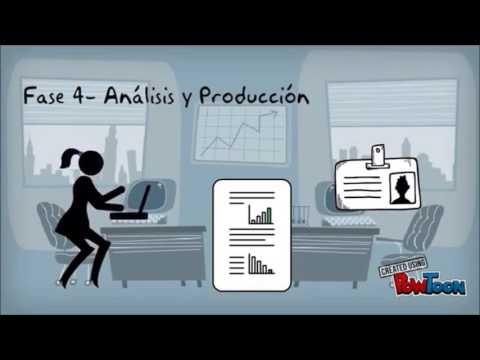
- Phase Four - Analysis and Production: Create customized reports that guide future actions based on relevant indicators for decision-making.
- Phase Five - Dissemination: Generate expected reports for interpretation, outlining actionable paths forward.
Levels of Business Intelligence
Operational Level
- At this level, BI enables employees to manage timely, accurate information in their daily routines using reporting tools or fixed-format spreadsheets.
Tactical Level
- This level allows mid-management to analyze data independently using software without third-party intervention.
Strategic Level
- High-level executives monitor trends, patterns, goals, and objectives using tools like Balanced Scorecards which provide instant business insights tailored for managers.
Reporting Tools in Business Intelligence
Enterprise Reporting
- Presents selected data in user-friendly formats suitable for daily operations; it encompasses a wide range of operational reporting capabilities directly linked with ERP, CRM systems.
OLAP Analysis
- Offers advanced analytical functionalities allowing decision-makers access to their Data Warehouse for deeper insights into performance metrics.
Alerts & Proactive Notifications