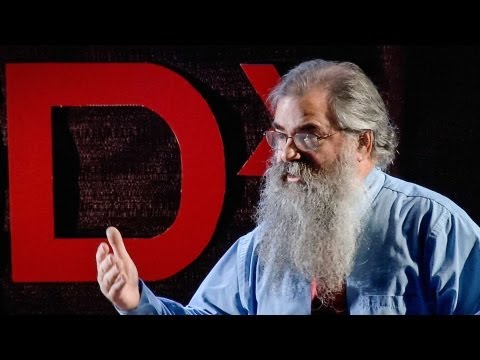
Daniel H. Cohen: For argument's sake
Introduction and Reflection on Arguing
In this section, Dan Cohen introduces himself as an academic philosopher who enjoys arguing. He reflects on the paradox of getting better at arguing but feeling like he loses more. He questions the purpose and benefits of arguments.
The Puzzle of Losing in Arguments
- Dan reflects on improving his arguing skills but feeling like he loses more.
- Discusses being okay with losing in arguments and why good arguers are better at losing.
- Distinguishes academic arguments from everyday disputes, focusing on cognitive stakes.
The Nature of Academic Arguments
- Emphasizes the importance of academic arguments over trivial disagreements.
- Questions the significance of winning arguments and convincing others in academic discourse.
Models for Understanding Arguments
Dan presents three models for understanding arguments - dialectical, proofs, and performances - to explore different perspectives on argumentation.
Dialectical Model
- Describes the dialectical model portraying arguments as war with a focus on winning and losing.
Proof Model
- Introduces the proof model where arguments are viewed as logical proofs without adversarial elements.
Rhetorical Model
Dan discusses how viewing arguments as war can have negative effects on argumentation strategies and outcomes.
Deforming Effects of War Metaphor
Inhibiting Resolution through War Metaphor
Who is the Winner?
The speaker discusses the negative impact of viewing arguments as wars and suggests a need for new approaches to arguments.
New Exit Strategies for Arguments
- The war metaphor in arguments leads to a winner-loser dynamic that needs to change.
- Proposes the idea of developing new exit strategies for arguments by changing our approach.
- Suggests rethinking traditional argument roles to create new kinds of arguments.
Changing Argument Perspectives
- Encourages imagining oneself both arguing and being part of the audience simultaneously.
Challenging Argument Norms
The speaker challenges conventional argument norms and encourages a shift in perspective.
Reimagining Argument Dynamics
- Urges individuals to envision losing an argument but still appreciating its quality.
Turn any video into a summary like this
YouTube links, meetings, lectures. With transcripts, search, and chat.