Piometra - Solimar
Surgical Affections of the Reproductive Tract in Females
Introduction to Cystic Endometrial Hyperplasia
- The discussion begins with an overview of surgical affections related to the reproductive tract, focusing on cystic endometrial hyperplasia, commonly referred to as "biometria."
- Emphasizes the complexity of female reproductive anatomy and cautions against underestimating surgeries like castration, which can involve significant complications.
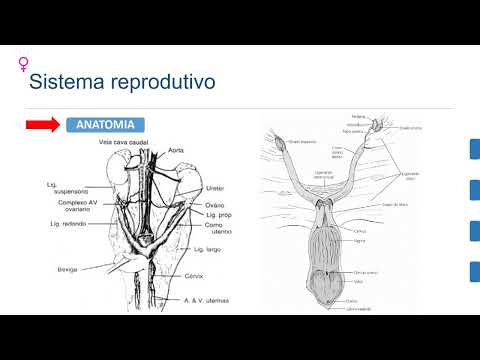
Anatomy of the Female Reproductive System
- Describes the uterus's Y-shaped structure, including two uterine horns and ovaries covered by adipose tissue known as bursa or ovarian pouch.
- Highlights potential surgical complications associated with ovarian and uterine structures during procedures such as castration.
Importance of Anatomical Location
- Discusses the anatomical positioning of ovaries relative to kidneys, emphasizing their location in the lumbar fossa adjacent to the spine.
- Notes that understanding this anatomy is crucial for effective surgical exposure during procedures like castration.
Vascularization and Surgical Considerations
- Explains how vascularization from ovarian arteries and veins is critical during surgeries; emphasizes differences between right and left sides regarding blood flow.
- Warns about potential complications if ligation techniques are not properly executed during nephrectomy or other surgeries involving ovaries.
Hormonal Influence on Reproductive Health
- Discusses elective surgery's purpose: cessation of hormonal production to prevent unwanted heat cycles in females, particularly cats.
- Reviews historical perspectives on optimal timing for spaying females to minimize risks for mammary neoplasia based on hormonal influences.
Complications Related to Early Spaying
Consequences of Early Castration
- Identifies potential health issues arising from early spaying, including autoarticular diseases due to delayed closure of growth plates.
- Mentions urinary incontinence as a common issue among females spayed too early due to hormonal changes affecting sphincter control.
Understanding Cystic Endometrial Hyperplasia (CEH)
- Defines CEH as an increase in endometrial cells leading to cyst formation influenced by estrogen and progesterone levels.
- Stresses that both endogenous hormone production and exogenous applications contribute significantly to CEH development.
Pathophysiology Behind CEH
Hormonal Cycles and Uterine Changes
- Explains how hormonal fluctuations during estrus lead to increased secretory activity within the uterus preparing for possible embryo implantation.
- Details immune system suppression within the uterus during certain phases of estrus, allowing for embryo protection but increasing infection risk.
Transition from CEH to Pyometra
- Clarifies that while CEH is a physiological response, it can lead directly into pyometra when combined with infectious agents.
Mechanisms Leading to Pyometra
Infection Development Pathways
- Discusses how pyometra develops secondary to bacterial colonization following cystic endometrial hyperplasia; highlights importance of hormonal stimulation prior.
Bacterial Colonization Routes
- Outlines two primary pathways for bacterial entry into the uterine environment: ascending infections from vaginal microbiota or translocation through systemic circulation.
This structured approach provides a comprehensive overview while ensuring clarity through timestamps linked directly back to specific parts of the transcript.
Vascular Permeability and Bacterial Translocation
Understanding Vascular Permeability
- The discussion begins with the concept of vascular permeability, questioning how bacteria can enter the bloodstream if vessels allow more substances to pass through. This raises concerns about bacterial colonization in environments like the uterus during gestation.
Bacterial Colonization and Piometra
- A significant correlation is noted between piometra (a uterine infection) and intestinal bacteria, particularly Escherichia coli, which is commonly found in animal intestines. This supports the theory of bacterial translocation from the gut to the uterus.
Hormonal Influence on Piometra Development
- The presentation emphasizes that piometra often occurs during specific hormonal phases, particularly when progesterone levels are high due to luteal activity. This hormone influences uterine conditions such as cervical closure and reduced contractions, facilitating bacterial growth.
Clinical Presentation of Piometra
Characteristics of Piometra
- Piometra is prevalent in unspayed females over 10 years old due to prolonged hormonal influence leading to chronic tissue changes. Images illustrate differences between normal and affected uteri, highlighting significant distension associated with piometra.
Surgical Risks Associated with Piometra
- The surgical risks are discussed regarding operating on a distended uterus filled with pus; this condition increases complications during surgery due to potential rupture. Careful management is essential for successful outcomes.
Clinical Signs and Diagnosis
Identifying Symptoms of Piometra
- Common clinical signs include vulvar discharge observed in both cats and dogs, which aids in diagnosing piometra but may not always be present depending on whether the cervix is open or closed. Classification into open or closed cervix types affects prognosis significantly.
Prognosis Based on Cervical Status
- Patients with an open cervix tend to recover more easily than those with a closed cervix because they can expel infectious material more effectively, reducing systemic metabolic impacts from bacterial infections.
Pathophysiology of Piometra
Chronic Hormonal Influence
- Older female animals exhibit increased susceptibility to developing piometra due to long-term hormonal exposure leading to tissue changes conducive for infection development, including glandular hyperplasia within the uterus.
Systemic Effects of Bacterial Metabolism
- The metabolism of bacteria within the uterine environment leads to inflammatory responses throughout the body, resulting in organ dysfunction such as acute kidney injury due to complex cellular debris affecting renal tissues directly linked back to uterine infections like piometra.
Clinical Management Strategies
Importance of Preoperative Stabilization
- Emphasizing pre-surgical stabilization for patients diagnosed with piometra is crucial; hydration therapy and antibiotic administration should precede any surgical intervention due to potential complications arising from dehydration or systemic infection spread during surgery.
Treatment Options: Surgical vs Medical
- Surgical treatment via ovariohysterectomy remains standard practice for managing piometra; however, medical management involving antibiotics may be considered under certain circumstances despite higher complication rates associated with non-surgical approaches leading often towards recurrence post-treatment if not managed properly.
Postoperative Considerations
Post-Surgery Recovery Protocol
- After surgical intervention for piometra or related conditions like retained ovarian tissue (remnant ovary syndrome), careful monitoring for signs of infection or complications must continue alongside appropriate antibiotic therapy tailored based on culture results obtained preoperatively.
Discussing Surgical Options for Female Animals
Overview of Surgical Procedures
- The discussion begins with the high costs associated with surgical procedures, particularly in cases where the owner is reluctant to proceed with spaying due to financial concerns.
- Emphasis is placed on the potential complications of clinical therapy as an alternative, which may not be as effective or safe compared to surgical options.
Therapeutic Surgery Insights
- The preferred surgical option discussed is ovariohysterectomy (spay surgery), noted for its higher complication risks compared to elective surgeries. This includes risks such as uterine rupture during manipulation.
- The cost implications of therapeutic surgery are highlighted, indicating that it tends to be more expensive than elective procedures, impacting veterinary practice economics.
Post-operative Care and Monitoring
Hospitalization and Recovery
- Post-surgery, animals typically remain hospitalized until they show normal feeding behavior and no signs of basic organ dysfunction (e.g., vomiting or diarrhea). This ensures a safer recovery process.
- Regular follow-up through blood tests like hemograms is recommended to monitor for infections post-surgery, especially in cases of uterine infections where leukocytosis may occur.
Managing Complications
- Basic management strategies are discussed for potential renal or hepatic injuries resulting from bacterial metabolism during infection treatment; hydration support via physiotherapy may be necessary.
- Antibiotic protocols are outlined, recommending amoxicillin with clavulanate as first-line treatment followed by fluoroquinolones like enrofloxacin for broader coverage against various bacteria types.
Considerations in Medication Use
Antibiotic Selection and Risks
- Caution is advised regarding antibiotic use; studies suggest combining conventional antibiotics with metronidazole can effectively target both gram-positive and anaerobic bacteria in complex infections.
- Attention must be paid to renal function when administering anti-inflammatories; elevated creatinine levels could contraindicate their use while allowing lower doses if kidney function remains stable.
Importance of Surgical Management
Post-Surgical Care Protocol
- All surgical patients require diligent post-operative care including pain management strategies (e.g., using meloxicam or carprofen alongside traditional analgesics). Proper monitoring is crucial for recovery success.
- Recommendations include using protective collars or surgical garments and regular cleaning of incision sites every 12 hours until stitches are removed within 10 to 14 days post-operation.
Additional Resources for Veterinary Professionals
Educational Materials
- The speaker suggests additional resources available on YouTube featuring lectures from experienced professionals that delve deeper into specific surgeries such as ovariohysterectomy and discussions on pyometra cases, enhancing professional knowledge in these areas.
Conclusion
The session concludes with an invitation for questions via email or WhatsApp, encouraging ongoing learning among veterinary professionals about surgical practices and patient care management strategies.