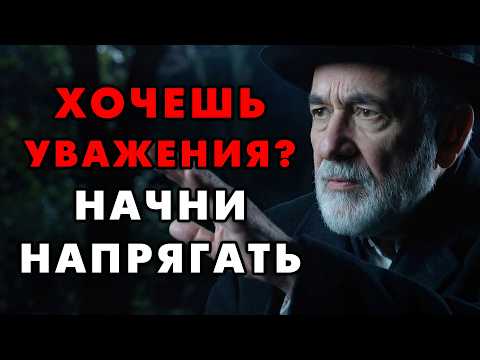
Тайный секрет уважения и достоинства. Сделав это вас зауважает даже самый гордый и важный!
Уроки уважения от деда
Введение в концепцию уважения
- Иосиф делится уроками, которые ему передал дед, о том, как добиться уважения в обществе.
- Дед учил, что многие ошибочно полагают, что доброта и честность автоматически приводят к уважению.
- В видео будут раскрыты 10 уроков о том, как стать значимой фигурой в обществе.
Первый урок: Испытание первой просьбой
- Каждый новый человек в вашей жизни проверяет ваши границы через маленькие просьбы.
- Согласие на такие просьбы может привести к тому, что вы станете предсказуемым и легко заменимым.
- Люди уважают тех, кто умеет говорить "нет" и устанавливать границы.
Второй урок: Сила того, кто не оправдывается
- Уважение возникает там, где заканчивается комфорт общения и начинается ваша воля.
- Оправдания делают вас предсказуемым и безопасным для окружающих.
- Истинное уважение приходит от понимания вашей силы и способности быть неудобным.
Третий урок: Искусство принимать помощь
- Многие считают силу в автономности и боятся принимать помощь из-за страха оказаться в долгу.
- Принятие помощи с достоинством демонстрирует внутреннюю уверенность и создает связи с другими людьми.
- Умение принимать помощь делает вас центром внимания вокруг которого вращается мир.
Четвертый урок: Тайный кабинет ваших слабостей
- Открытость о своих страхах может снизить интерес к вам со стороны других людей.
- Создание невидимого кабинета для своих слабостей помогает сохранить ауру силы и загадки.
- Люди уважают тех, кто сохраняет спокойствие даже в трудных ситуациях.
Пятый урок: Не будьте учителем для каждого
- Стремление учить всех приводит к потере власти и уважения; ваше молчание становится более ценным.
- Способность наблюдать без вмешательства создает напряжение вокруг вас.
- Ваши слова должны стоить дорого; молчание вызывает стратегический страх у окружающих.
The Power of Silence and Presence
The Impact of Silence
- A young man's discomfort grows in the presence of Isaac's silence, revealing how powerful non-verbal communication can be.
- Following this incident, Isaac gains greater respect from his peers, demonstrating that a quiet demeanor can command authority without overt displays of power.
- True strength lies in controlling one's reactions; not rushing to correct others shows the value of one's inner world.
Understanding True Strength
- Jewish wisdom suggests that true strength is not about aggression but rather the ability to intimidate opponents with one’s mere presence.
- Respect is earned through an aura of confidence and distance, not through constant agreement or advice-giving.
The Language of Power
The Role of Strategic Silence
- Many mistakenly believe louder voices earn more respect; however, true power often resides in quietness that evokes tension among others.
- Genuine strength does not seek validation through noise; it creates a subtle fear that commands attention and respect.
Creating Tension Through Quietness
- When faced with provocation, silence generates anxiety for others as they fill the void with their insecurities.
- Unpredictability makes one appear dangerous; being calm yet firm establishes a formidable reputation.
Maintaining Distance for Authority
The Importance of Emotional Control
- Those who maintain emotional control become figures to be respected and feared; their silence speaks volumes about their potential actions.
- In various interactions—business or personal—the individual whose silence outweighs others' words holds significant influence.
Establishing Boundaries
- Respect arises when people recognize the consequences of crossing boundaries; kindness should be perceived as a conscious choice rather than weakness.
Lessons from Natan's Mistakes
Predictability Equals Weakness
- Natan's loud behavior fails to instill genuine respect; instead, he becomes predictable and easily dismissed by those around him.
- His anger lacks weight because it is devoid of calculated silence, rendering him ineffective in asserting authority.
Consequences of Noise Without Substance
- Observers see Natan as weak due to his inability to control himself; his outbursts do not lead to real change or fear among peers.
The Value of Finality
Learning from Experience
- Natan exemplifies how failing to maintain distance leads to isolation and lack of respect. True power requires an understanding that kindness must have boundaries.
Effective Communication Strategies
- Your silence should carry meaning and potential action behind it. This approach fosters genuine authority over time.
Embracing Control Over Second Chances
Avoiding Weakness Through Mercy
- Granting second chances can signal weakness in competitive environments where strict adherence to rules is crucial.
- Jewish wisdom emphasizes that excessive leniency undermines self-respect and invites further transgressions.
Building Reputation Through Firmness
- By refusing second chances, you create an environment where your dignity remains intact while establishing clear boundaries against betrayal.
Mastery Over Dialogue
Commanding Conversations
- Those who speak less but assertively hold more influence than those who dominate discussions with noise. Their final word carries weight beyond debate.
Conclusion on Authority
- Cultivating an aura where your word signifies closure transforms you into a figure whose presence demands respect without needing constant affirmation or argumentation.
Understanding the Power of Boundaries
The Importance of Setting Limits
- People begin to treat you with caution when they realize your patience has limits, and that there is no room for endless forgiveness.
- Respect stems from a strategic fear; it’s essential to be perceived as someone whose boundaries should not be crossed due to the potential consequences.
- Your anger should be calculated and lead to specific actions, such as ending contracts or changing communication dynamics, showcasing your value as a leader.
- A story about Lev illustrates how maintaining boundaries can command respect; he ended a problematic rental agreement without drama, demonstrating strength through silence.
- Lev's reputation was built on the understanding that his kindness had limits, making him respected rather than just seen as a nice person.
The Impact of Presence and Absence
- True power comes from being someone whose absence creates tension; respect is earned by those whose silence causes concern among others.
- Constant visibility can diminish your significance; being overly present turns you into an expected element rather than a valued individual.
- Jewish wisdom suggests that true greatness requires knowing when to withdraw, creating an aura of mystery around your presence.
- Disappearing unexpectedly disrupts others' comfort zones and makes them reassess their perception of you, enhancing your influence.
- This principle applies in both professional and personal contexts where you feel undervalued; absence forces others to confront their reliance on you.
The Strategy of Sudden Withdrawal
- A story about Mr. David highlights how strategic absence can shift power dynamics in negotiations; his disappearance led partners to realize his true importance.
- David's initial involvement was taken for granted until he withdrew three days before a crucial meeting, causing panic among stakeholders who underestimated him.
- His absence became a source of anxiety for others, illustrating that true leadership is felt in one's absence rather than constant presence.
- When David returned after his withdrawal, he commanded immediate respect and attention, having shifted from being an accessible figure to one who was feared losing.
- Your worth is tied directly to your willingness to leave if disrespected; unpredictability in relationships enhances your standing.
Conclusion: Cultivating Inner Strength
- Respect arises not from compliance but from recognizing one's inner strength and setting clear boundaries against disrespectful behavior.
- Maintaining independence from external opinions fosters genuine self-worth and authority over one’s life.